As an Amazon Associate we earn from qualifying purchases. Every buy button leads to Amazon.As an Amazon Associate we earn from qualifying purchases.Full disclosure →Disclosure →
GUIDE / OFF-SEASON STORAGE

Put it away right.
Hit spring running.

The end of doors-off season is when most gear damage happens — doors get stacked wrong, mirrors get tossed in a corner, and hardware walks off to god knows where. Here's how to close out the season so nothing needs to be replaced come April.

A little structure at the end of the season saves you real money and frustration at the start of the next one. Doors scratched in storage cost more to fix than doors stored properly.

Why off-season storage is where gear dies

Most doors-off rigs take their worst damage not on the trail, but in the garage. Doors leaned against a wall develop contact scratches. Metal-on-metal contact over a cold, humid winter starts surface rust on hinge pins and body-mount tabs. Hardware — the bolts, torx heads, and hinge pins you'll need next spring — disappears into a shop drawer and never comes back. None of this is dramatic. All of it is avoidable.

The good news: you don't need a dedicated door rack or special equipment. You need a consistent system and about an hour at season's end. That hour is the difference between pulling the doors out in March and putting them straight back on, versus spending two weekends touching up paint and chasing replacement T40 bolts.

How to actually store the doors

The number-one damage mode is surface-to-surface contact — any bare metal or painted surface that rests against another surface for months will come out scratched. The second is moisture sitting on raw metal. Both are easy to prevent.

Clean before you store, not after. Wash and dry each door completely before it goes away. Road film, mud, and especially salt trap moisture and accelerate rust. A light coat of detailer spray on painted surfaces helps repel moisture all winter.

Storage orientation:

  • Upright is ideal. Stand doors vertically with padding between each one and the wall — moving blankets, foam pool noodles, or purpose-built door bags all work. Vertical storage minimizes floor contact and makes it obvious if one starts to lean.
  • Flat works if you have a dedicated shelf. Stack with thick padding between each door. Never stack directly on concrete — moisture wicks up and sits against the underside.
  • Never rest bare metal against bare metal. The hinge area and the inner edge of the door frame are the two spots that always make contact when doors lean on each other. Pad them both.

For hinge pins and bolt hardware: put everything in a labeled zip-lock bag and tape it to the door it came from. Sounds obvious. Most people skip it and spend an hour in March counting bolts across three drawers. JL and JT door hardware is model-specific — cross-threading a hinge-mount tab is an expensive fix.

Treat exposed metal before storage. A wipe of WD-40 or light machine oil on the hinge pins, check straps, and any bare metal prevents the surface rust that otherwise needs to be cleaned off every spring. Don't skip the door check straps — they corrode at the mounting pins and can seize up over a long winter.

MIRROR DECISION

Quick-release mirrors make this easy

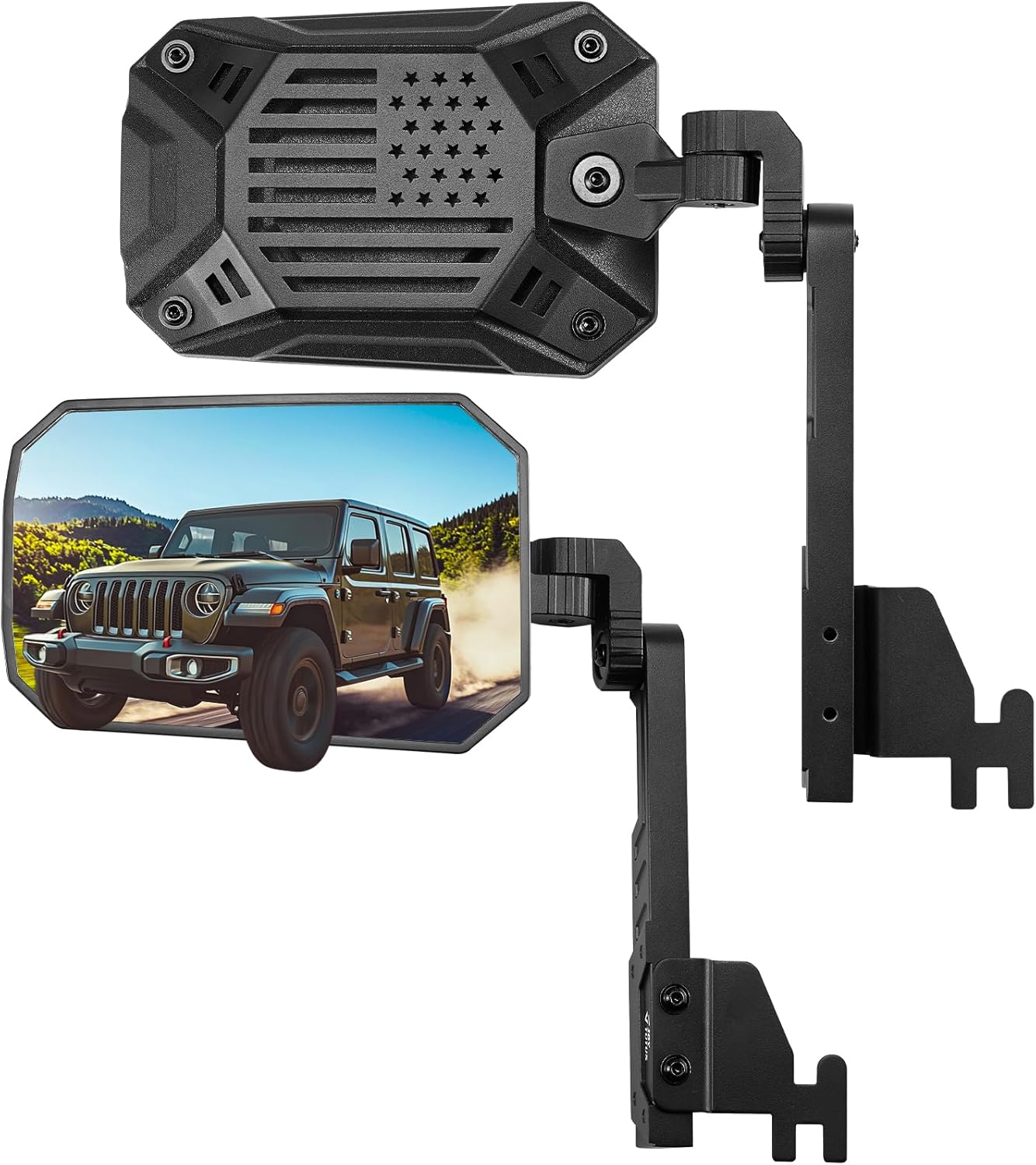
On quick-release mounts, the mirror call is already solved — pop the heads off for storage or leave them on all winter. Either way takes ten seconds.
See all doors-off mirrors →

What to do with doors-off mirrors at season's end

If you ran hinge-mount or A-pillar mirrors for the doors-off season, the off-season question is simple: leave them on or pull them? The answer depends on which type you're running.

  • Quick-release mirrors: Pop the heads off in 10 seconds, store them inside. The bracket stays on the hinge all winter — no harm done. This is the lowest-effort approach and the main reason quick-release is worth the small premium.
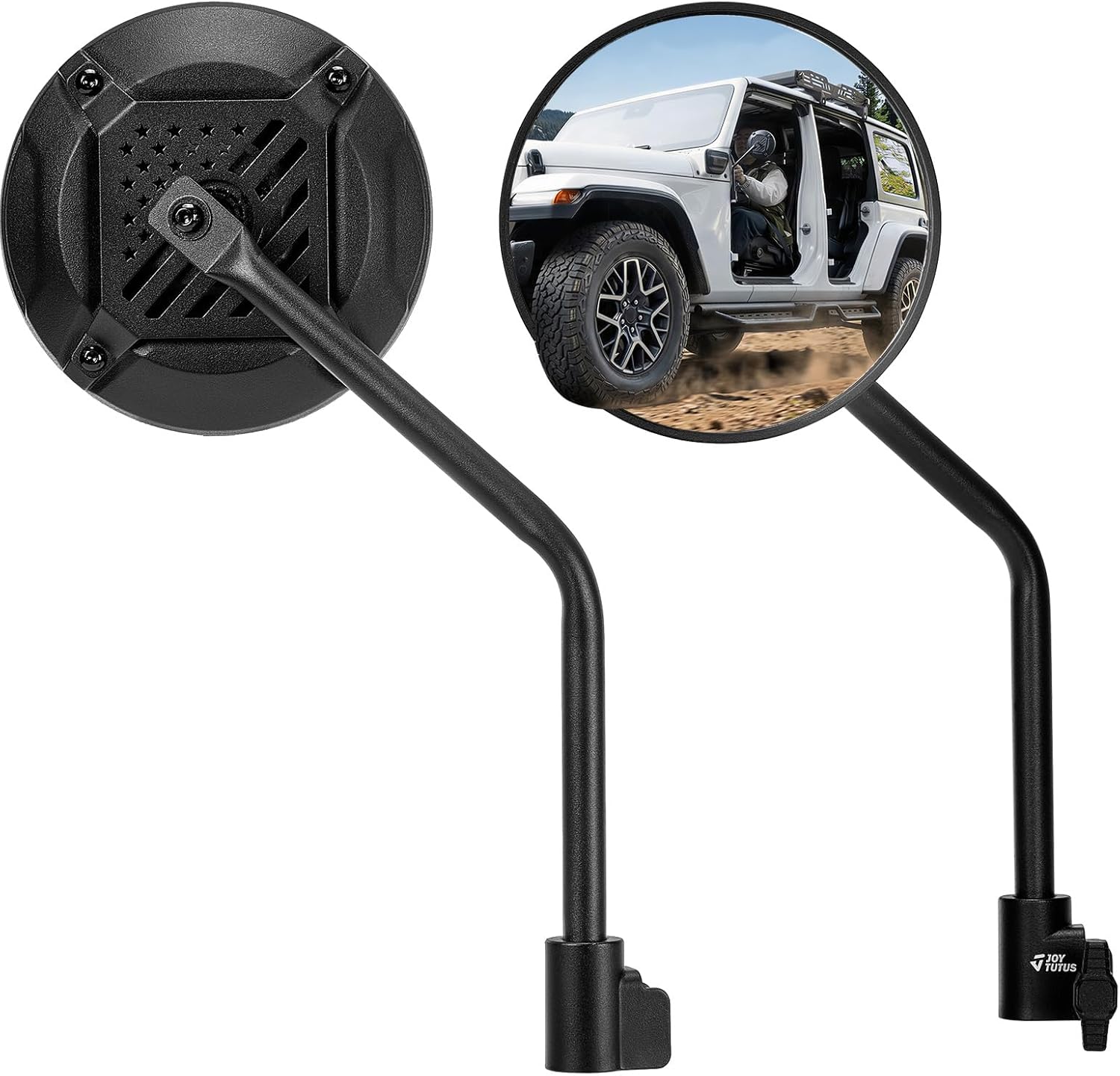
  • Fixed hinge-mount mirrors: You can leave them on through winter, but in salt-belt states they'll pick up road salt and road film during any wet-weather driving, and the clamp can corrode slightly onto the hinge. Pulling them and storing inside is worth the extra five minutes.
  • A-pillar mirrors: Leave them on. They're bolted to the windshield frame and built for year-round use — no reason to pull them. Just wipe them down at the end of the season.

Either way: clean the mirror glass before it sits all winter. Dried road film etches into glass over time. A microfiber and some glass cleaner takes 30 seconds and keeps the glass clear for spring.

The full pre-storage checklist

Work through this once before you put anything away. Takes about 45 minutes for the whole rig.
  1. Wash and dry all doors. Salt and mud off, completely dry. Don't seal moisture in with storage.
  2. Apply detailer or protectant to painted surfaces. Doors and hinges both.
  3. Oil hinge pins, check straps, and exposed metal. Light wipe of WD-40 or 3-in-1 oil. Wipe the excess off — you don't want it attracting dust all winter.
  4. Bag and label all hardware per door. One labeled bag per door, taped to that door. Bolts, torx heads, hinge pins — everything.
  5. Clean and stow mirrors. Quick-release heads come off and go inside. Fixed hinge mounts: wipe down and make the pull-or-leave call. A-pillar mirrors: wipe and leave.
  6. Pad and position doors for storage. Vertical with padding between each, or flat on a padded shelf. Nothing bare-on-bare.
  7. Treat door seals and weatherstripping. A silicone-based rubber conditioner on the seals prevents cracking and hardening over a cold winter. Soft top seals especially.
  8. Pull and inspect cargo gear. Recovery gear, camp gear, and loose storage items that rode all season — pull them, inspect for wear, and store separately so cold and moisture don't degrade straps, handles, or rubber components.
  9. Note anything that needs attention before spring. Scratched paint, seized hardware, cracked weatherstripping — a short list now means spring prep isn't a surprise.
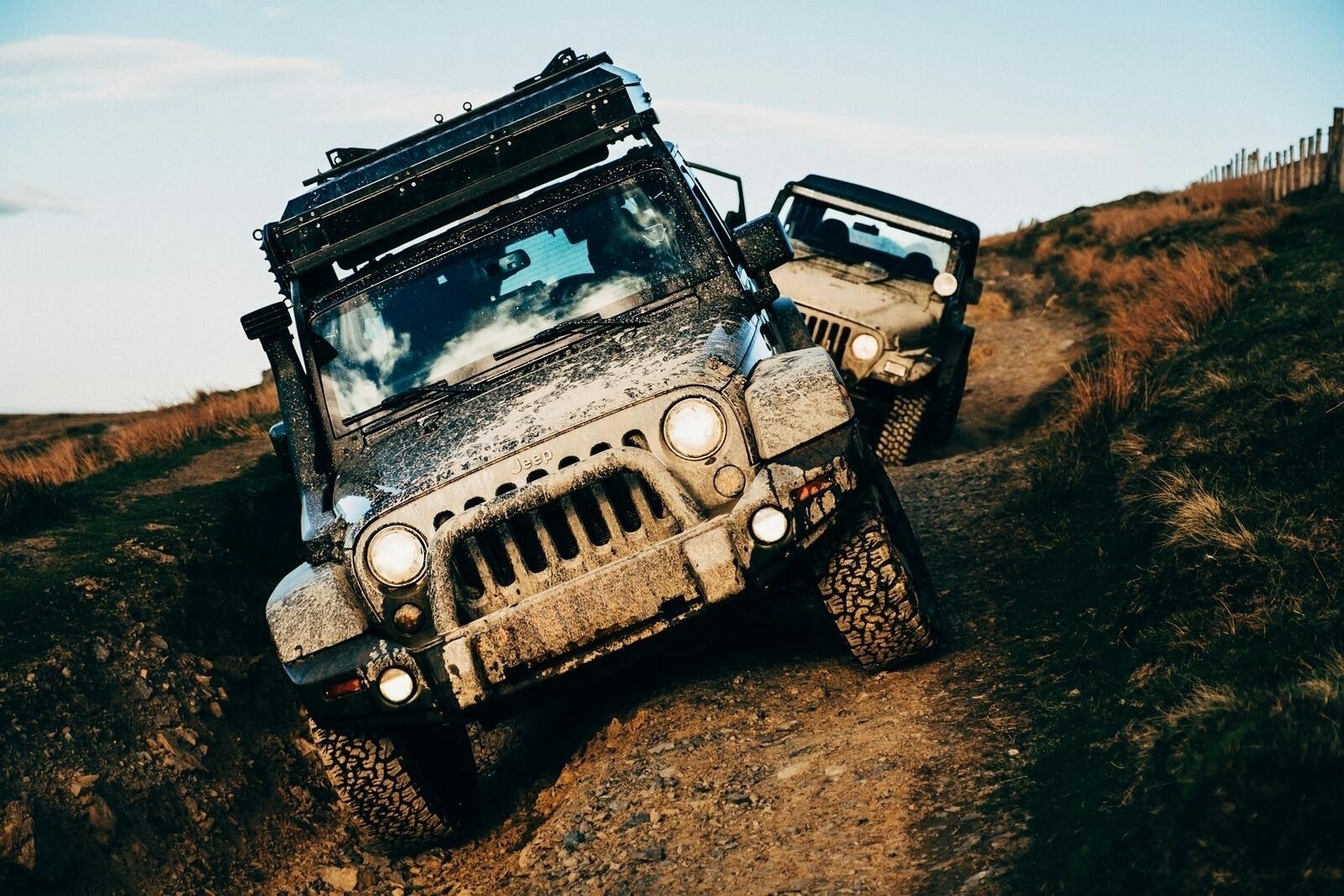
Muddy Jeep Wrangler on a wet forest trail with the doors off
The trails that got it dirty are exactly why you clean before you store.

Battery and electronics through winter

A Jeep that sits for most of the winter needs battery attention. Stock batteries don't handle a months-long idle well — parasitic draw from the factory electrical system slowly pulls the voltage down, and a battery that sits fully discharged will sulfate internally and never hold a full charge again.

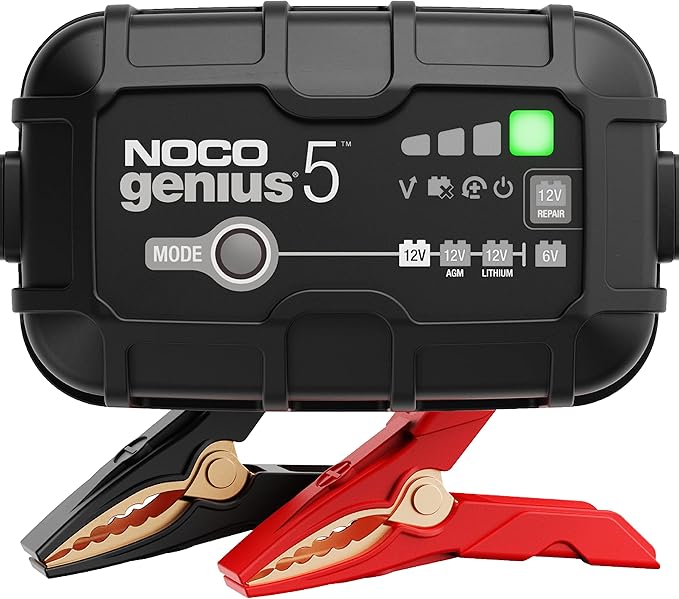
The fix is a smart battery maintainer (also called a float charger or trickle charger). Plug it in once and leave it connected. It monitors battery voltage and tops it off automatically without overcharging — no attention required all winter. A NOCO GENIUS5 handles this cleanly for about $50.

For electronics: pull anything that isn't weather-sealed. Dash cams with suction mounts, portable speakers, trail-specific electronics — extreme cold cycles degrade the batteries in these devices, and repeated freeze-thaw cycles cause suction mounts to fail or leave adhesive residue on the glass. Two minutes to pull them is worth it.

Spring check-out: getting back to doors-off

If you did the pre-storage work, spring check-out is fast. Run through this before the first doors-off day of the season:

  • Check tire pressure. Tires lose roughly 1 PSI per 10°F temperature drop, and cold winters can pull them down significantly. Check and inflate before you drive, especially if you aired down for trail work last fall.
  • Inspect doors before rehanging. Any new storage scratches, rust spots, or cracked weatherstripping to address before they go back on.
  • Rehang and re-torque all door hardware. Confirm the torque spec for your year — under-torqued hinge bolts let doors sag over time and wear the hinges faster.
  • Test door check straps. They should snap open and hold at each detent. A seized strap means the pin corroded over winter — free it with penetrating oil before you need it at highway speed.
  • Reinstall mirrors and dial in your aim. Quick-release heads especially — take 60 seconds in the driveway to get your view right before you're on a road.
  • Confirm the battery is fully charged. Even with a maintainer, a quick voltage check confirms you're good before the first drive.

The whole point of closing out the season correctly is that spring check-out takes 30 minutes instead of an unscheduled weekend project.

WINTER MAINTENANCE

Keep it alive all winter

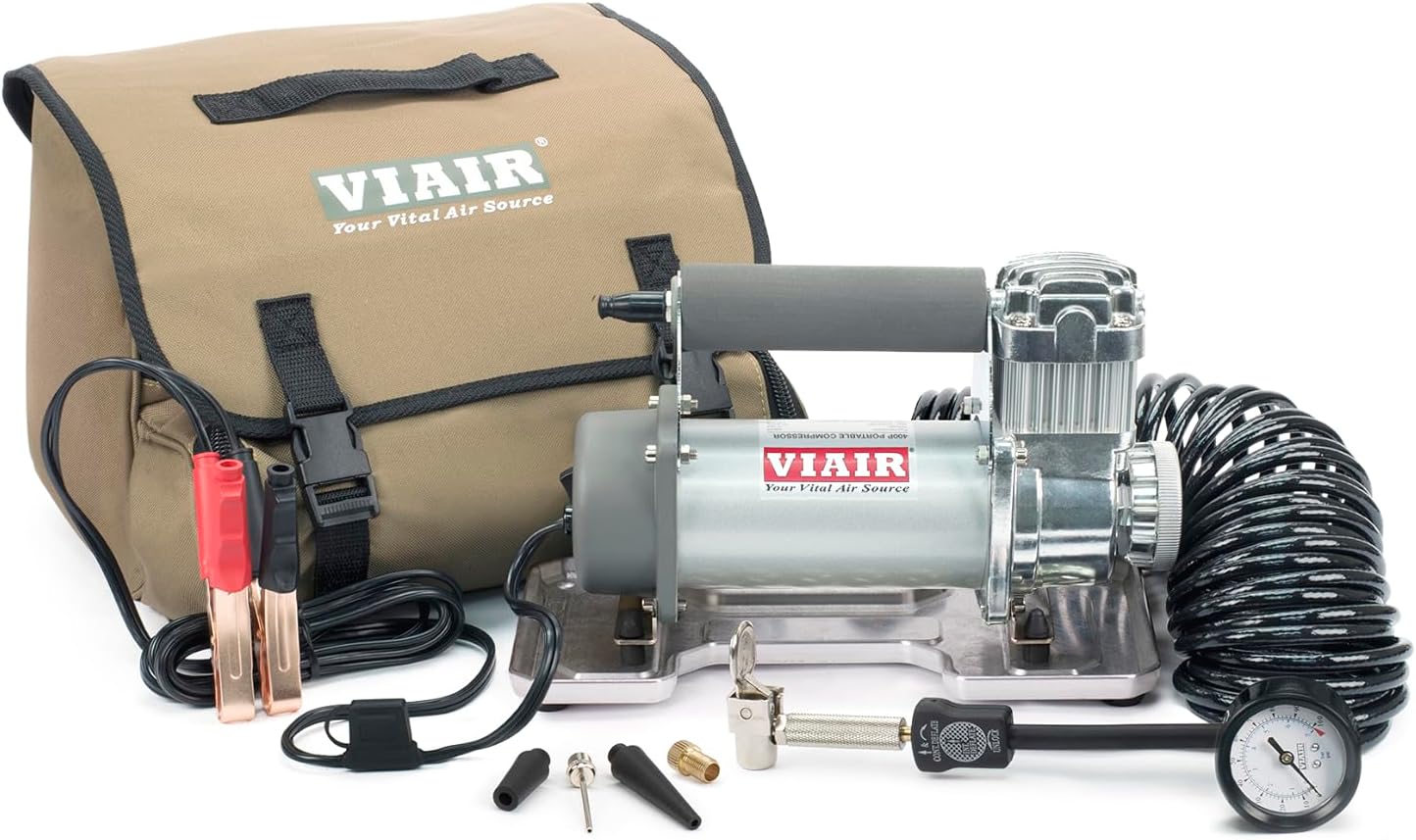
A smart battery maintainer is the one thing between you and a dead battery come spring. The compressor handles tire pressure on the other end.
See storage & organization →

STRAIGHT ANSWERS

Off-season storage FAQ.

Should Jeep doors be stored vertically or flat?
Vertical is generally better — it minimizes floor contact and makes it easy to see if a door is leaning incorrectly. Flat storage works if you have a padded shelf, but never stack doors directly on concrete or without padding between them. Either way, no bare painted or metal surface should rest against another hard surface.
How do I prevent Jeep doors from rusting in storage?
Clean off all road film, mud, and salt before storage, then let the doors dry completely. Apply a light coat of WD-40, 3-in-1 oil, or a corrosion inhibitor to the hinge pins and any exposed raw metal. Wipe off the excess. Keep them off concrete floors and in a dry space — a climate-controlled garage is best, but even an unheated garage beats outdoors.
Should I remove my doors-off mirrors at the end of the season?
It depends on the type. Quick-release mirror heads pop off in seconds and should come inside — no reason not to. Fixed hinge mounts are worth pulling in salt-belt climates so the clamp doesn't corrode onto the hinge over winter. A-pillar mirrors bolt to the windshield frame and can stay on year-round.
What happens if I don't use a battery maintainer on a Jeep that sits all winter?
Jeeps have parasitic draw from the factory electrical system — even with the key out, it slowly pulls current. Over several months this can fully discharge the battery. A battery that sits fully discharged sulfates internally, which permanently reduces its capacity. A smart maintainer prevents this for around $50.
Do I need to treat Jeep door weatherstripping before winter?
It's worth it. Untreated rubber in cold, dry conditions hardens and cracks over time. A silicone-based rubber conditioner applied before storage keeps the seals pliable through winter and extends their life significantly — both on the door seals themselves and on any soft top seals.
How do I keep track of Jeep door hardware over the winter?
Put all hardware for each door in its own labeled zip-lock bag — bolts, torx heads, hinge pins, everything — and tape or zip-tie it directly to that door. One bag per door, labeled with which door it belongs to. Takes two minutes. Finding that bag in spring takes two seconds. Not doing it takes 45 minutes of hunting.
Why did my door check strap seize up over winter?
The pin that the strap pivots on is exposed metal, and without lubrication it corrodes over a cold, humid winter. A light application of WD-40 or penetrating oil before storage prevents this. If it's already seized, penetrating oil and slow, steady pressure usually frees it — don't force it or you risk breaking the strap bracket.
Is it safe to store Jeep doors in an unheated garage?
Yes, with precautions. Keep them off concrete (moisture wicks up), pad them so nothing bare rests against another hard surface, treat metal and rubber before storage, and use a battery maintainer on the Jeep if it's in there too. An unheated garage is fine — outdoors under a tarp is last resort only.

General guidance for Jeep Wrangler and Gladiator owners — not professional mechanical advice. Torque specs, hardware sizing, and treatment recommendations vary by year and model. Confirm specs in your Jeep's service manual before re-installation.

CLOSE THE SEASON RIGHT

Season over.
Gear ready for spring.

One hour now saves a weekend in March. Put the doors away clean, protect the hardware, and keep a trickle charger on it all winter — spring prep becomes a 30-minute job instead of an unscheduled project.
Jeep Wrangler parked in tall grass at golden hour with the doors off

Done for the season.