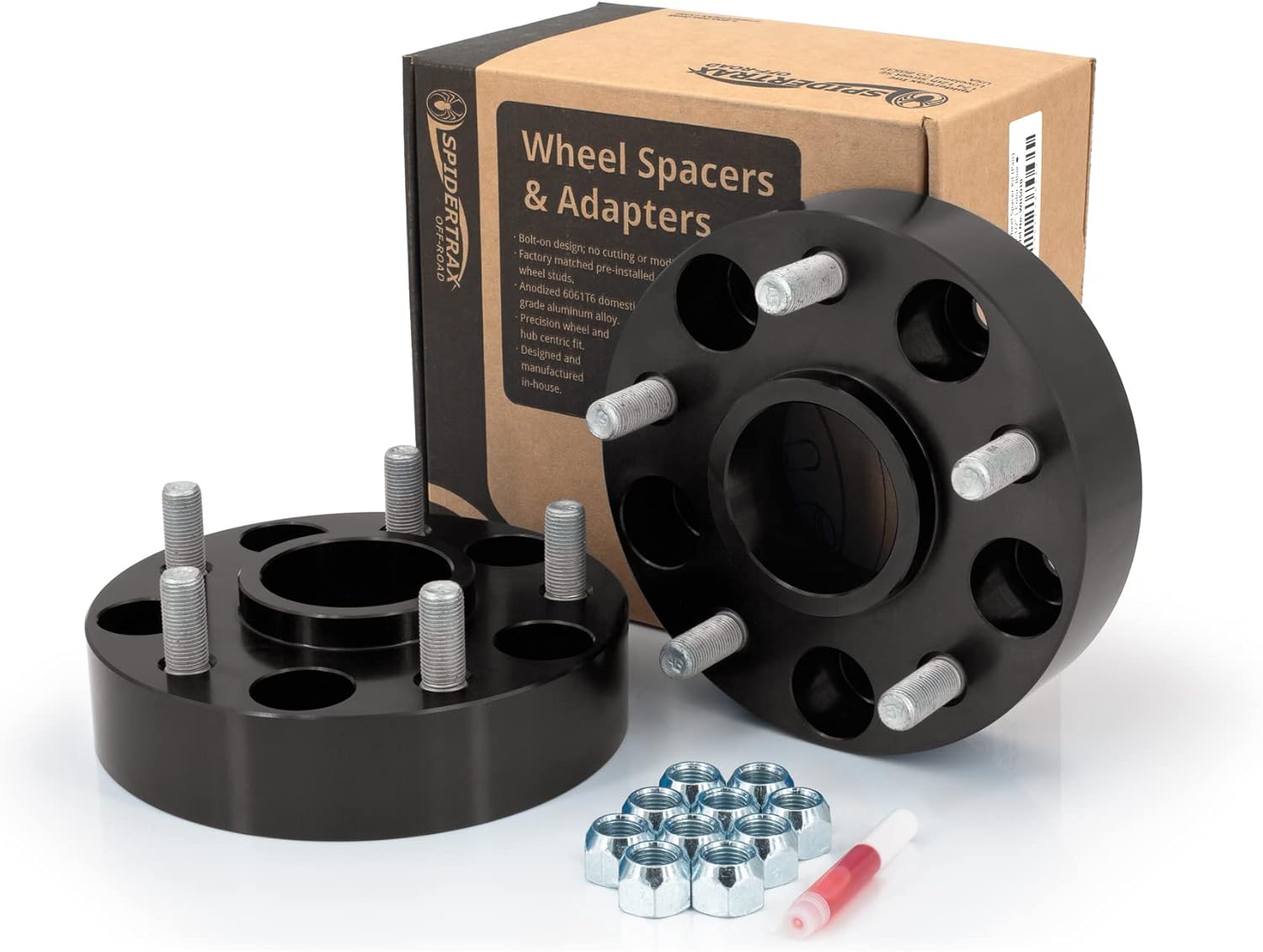
Spidertrax WHS010K 1.5-Inch Wheel Spacers
Check price on Amazon
Buy →Pull the doors off a Wrangler or Gladiator and the wide, aggressive stance you want suddenly depends on which part of that look you are actually missing. Spacers bolt between the hub and wheel and push your existing setup outward for a couple hundred dollars. A new wheel set moves the offset permanently, opens the door to 35-inch tires, and costs three times as much before you think about rubber. Here is where those paths actually split.
Both options widen your stance. They do not both solve the same problem. Whether spacers are the right call or a new wheel set is the smarter spend depends on what your JK or JL actually needs from the tires out.
A wheel spacer is a machined disc, typically 1 to 1.75 inches thick, that bolts to the hub face in place of the wheel. The wheel then bolts to the spacer's outboard studs. The result: your existing wheel moves outward by however thick the spacer is, widening the stance without changing anything else about the wheel or tire.
A wheel swap replaces the factory wheel with an aftermarket unit at a different offset and backspacing. The offset determines how far the wheel face sits relative to the mounting flange. A negative offset pushes the face outward; a more positive offset tucks it inward. Swapping to a wheel with more negative offset gets you the same wider stance as a spacer, but as a permanent, integrated part of the wheel itself.
The question is not which looks better. Both can look right on a built Wrangler. The question is what problem you are actually solving, and whether your build is headed toward 35-inch tires or staying on factory-size rubber.
Factory Wrangler offsets run roughly +44mm to +51mm depending on the trim and model year. A 1.5-inch spacer (38mm) shifts the effective offset from around +44mm down to roughly +6mm, giving you a significantly more flushed stance without touching the wheel. That is the basic math.
The more important spec is whether the spacer is hub-centric. A hub-centric spacer has a bore machined to match your Jeep's hub diameter (71.5mm on JK, JL, and JT). The hub bore centers the assembly, not the lug pattern. Without a hub-centric fit, the spacer relies entirely on lug tension to stay centered, which can introduce vibration at highway speeds and uneven load on the studs.
Stud engagement is the third thing to get right. When a spacer sits between the hub and wheel, your factory studs now only pass through the spacer's thickness before the wheel seats. A spacer with integrated, outboard studs solves this: the factory studs clamp the spacer, and the spacer's own studs give the wheel full thread engagement. The Spidertrax WHS010K uses this design. A minimum of 1.5x the stud diameter in thread engagement is the widely cited standard. Do not guess at this one.
One fitment note that matters for JK versus JL owners: factory JK Wranglers (2007-2018) use M12x1.5 wheel studs. The JL Wrangler (2018-present) and Gladiator JT use M14x1.5. The Spidertrax WHS010K is built for JK hardware. If you are on a JL or JT, confirm spacer fitment with the manufacturer before ordering.
Spacers make sense when you want more stance without changing tires. If you are running factory 32s or 33s and the wheels are in good shape, bolting on a hub-centric spacer pair is a clean, reversible move. No tire swap, no remounting, no regear conversation.
The budget case is real: a set of Spidertrax 1.5-inch spacers costs much less than a wheel and tire swap. A four-wheel swap to RT105s adds cost before you touch a tire. That gap funds a lift, a set of recovery gear, or a body armor piece. If stance is the only goal, spacers get there for less.
The install is a hand-tools job. The spacer mounts to the hub, you torque it to spec, mount the wheel on the spacer's outboard studs, and torque those. Plan a re-torque check after the first 50 miles and add it to your maintenance rotation after that.
Hub-centric JK spacers and aftermarket 17-inch wheel sets. Every link goes to Amazon.
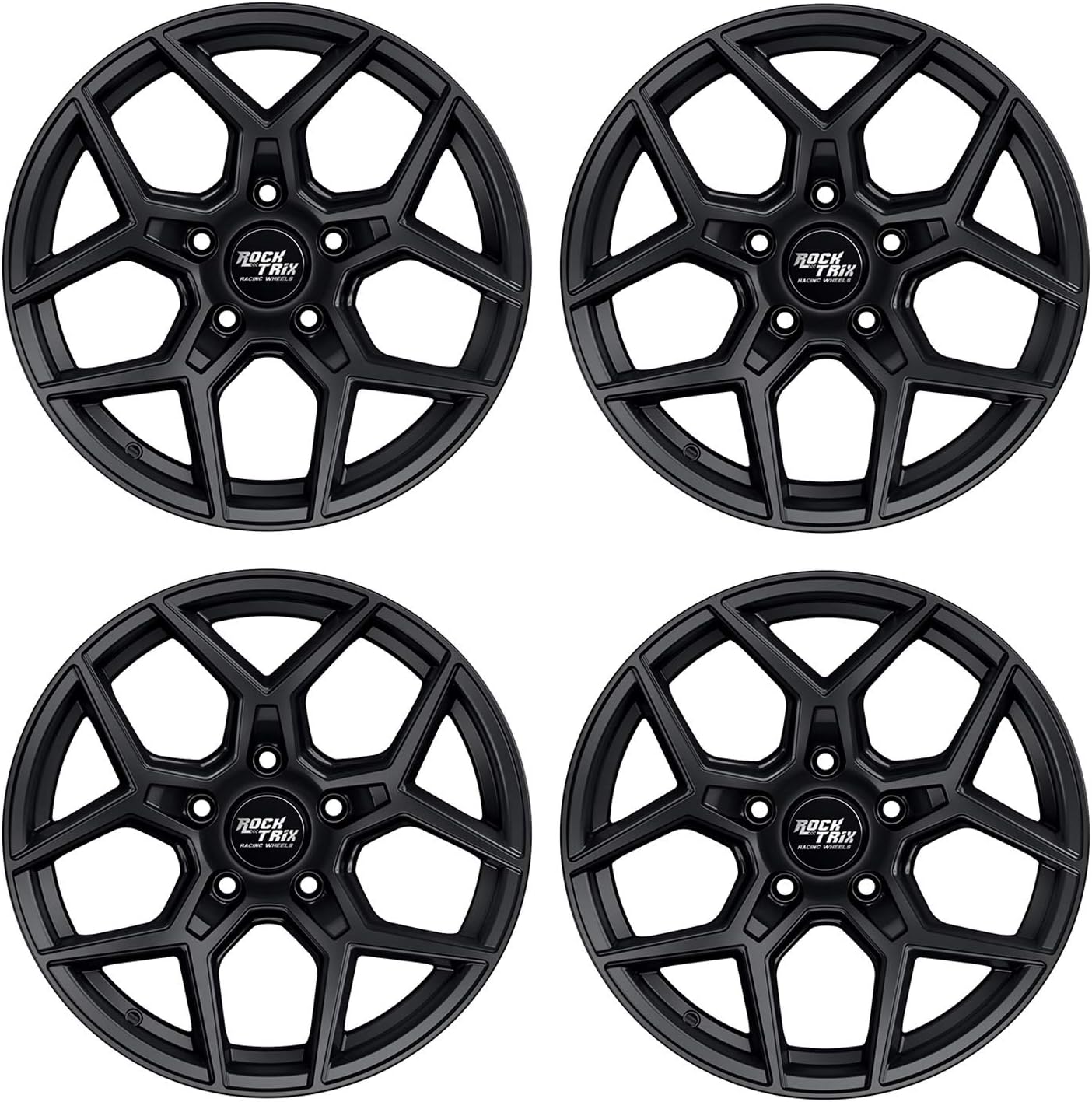
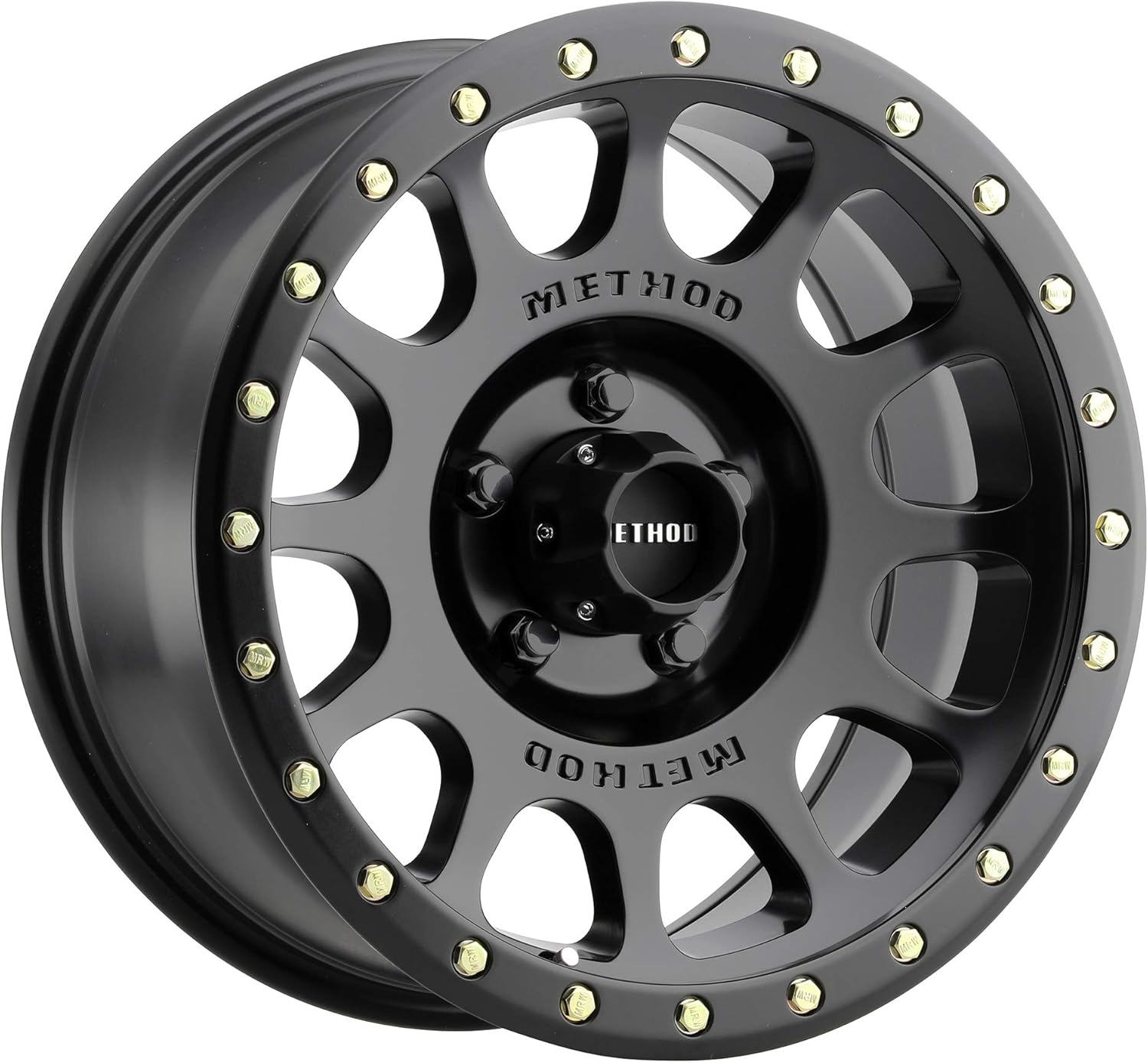
If 35-inch tires are anywhere on your list, the math changes. A 35x12.50R17 tire on a stock JK or JL needs proper backspacing to clear the front CV axle and upper control arm at full droop. Factory wheels sit at too much positive offset for that clearance without significant rubbing under articulation. The RockTrix RT105 runs at -12mm offset and 4.5-inch backspacing, which is the geometry purpose-built for 35s on a lifted Wrangler.
JL and JT owners have a second reason to skip the spacer route: the Spidertrax WHS010K is built for JK M12 hardware, not the M14 studs the JL and JT use. A wheel swap sidesteps that fitment issue entirely since both the RT105 and the Method 305 fit JK, JL, and JT at the same 5x127 bolt pattern.
There is also a compounding problem with stacking. Say you run 1.5-inch spacers today and later decide you want another inch of width. Adding a second spacer raises the wheel bearing load arm and puts more leverage on the hub bearing than the assembly was designed for. A wheel at the right offset from the start avoids that progression entirely.
If you want a cleaner look with less protrusion, the Method 305 NV runs at 0mm offset, versus the RT105 at -12mm. Both are legitimate choices; the RT105 gives you more aggressive stance, the Method 305 sits flush and carries a higher per-wheel load rating at 2,500 pounds versus the typical aftermarket aluminum.
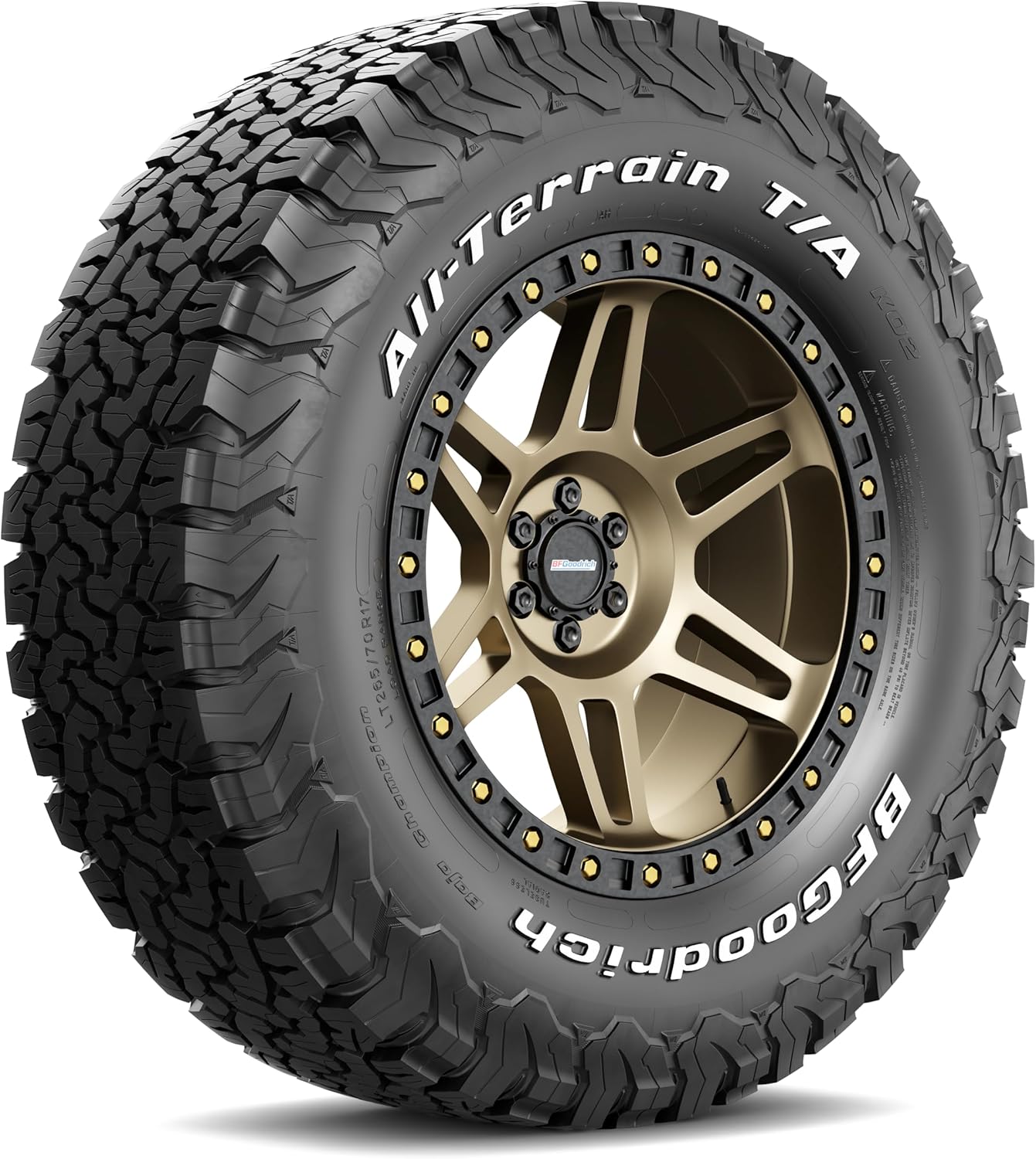
Once you are buying a new wheel set for the offset, the logical next question is whether to stay on 33s or move to 35s. The short version: if you have or are planning a 2-inch lift, 35s are a realistic move on both the JK and the JL. The JL has more factory clearance than older JK builds, and Rubicon trims start with even more room.
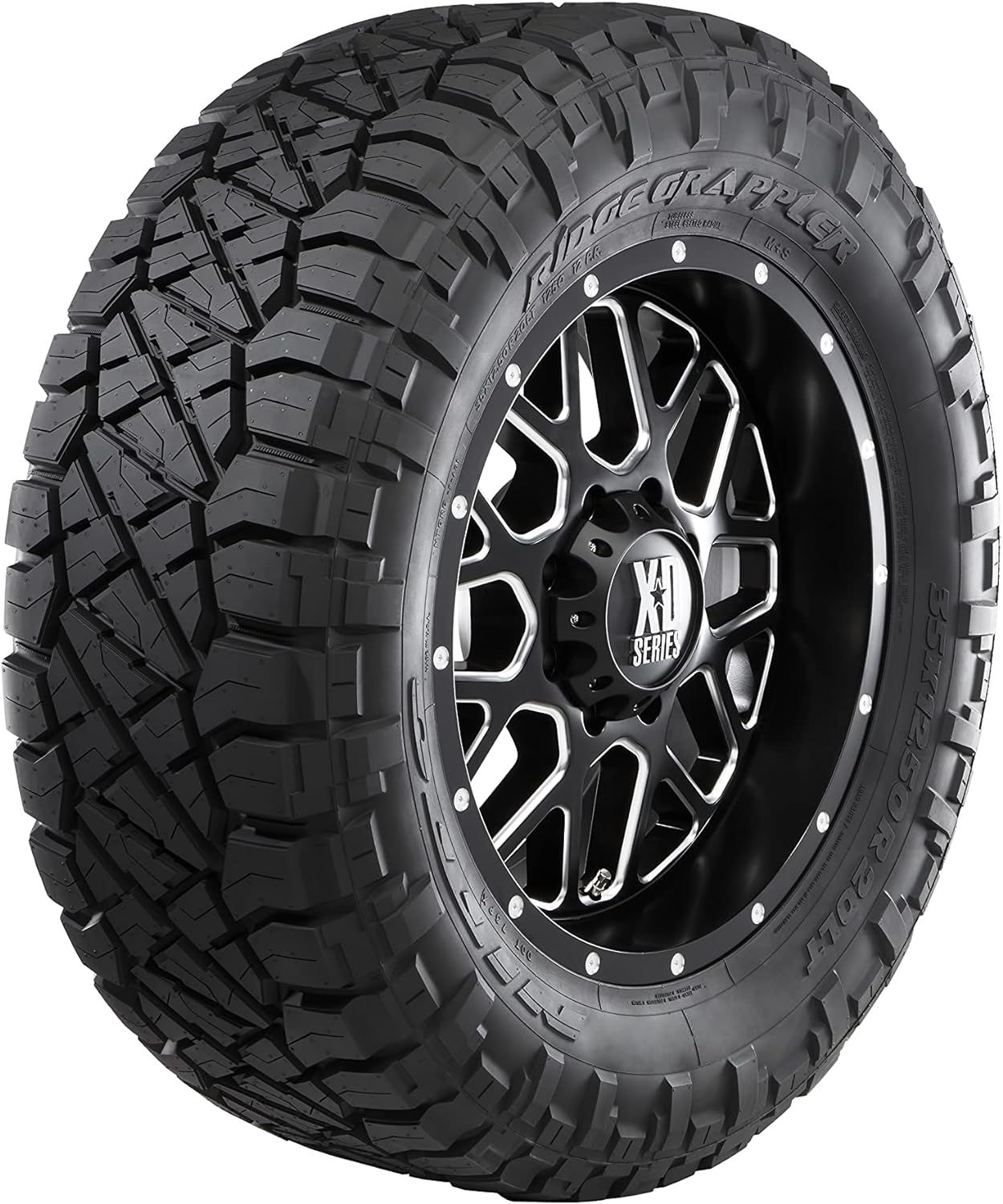
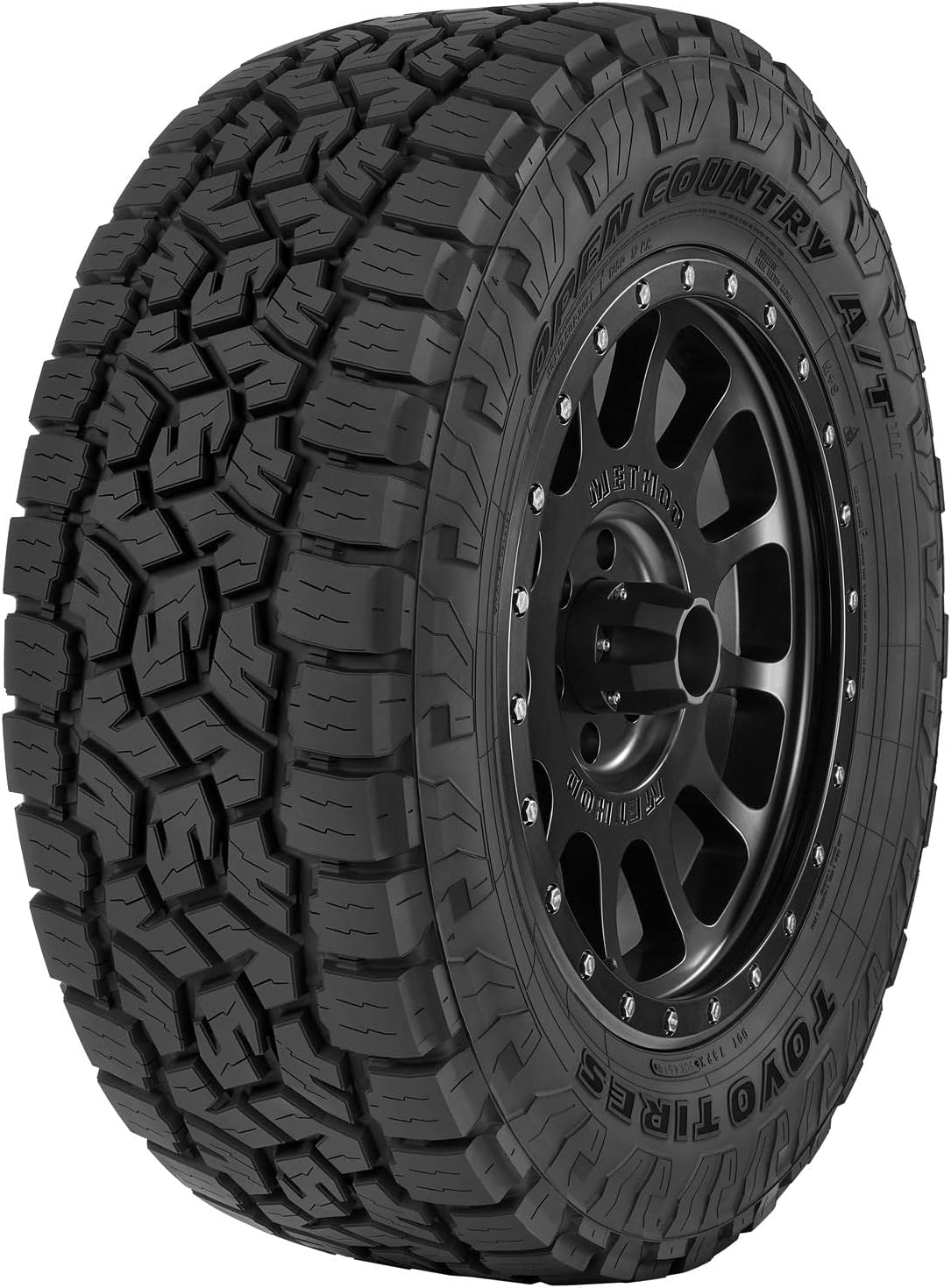
The three tires in the catalog cover the main territory:
Budget reality for a full tire swap: four KO2s plus the RT105 wheel set cost substantially more than spacers before mounting and balancing. That is a different decision, and the right one if 35s are the goal. Not the right one if they are not.
35x12.50R17 tires sized for the RT105 and Method 305 wheel sets. All links go to Amazon.
Run through this before you click buy. Fitment problems are expensive to undo once the tires are mounted.
Fitment information for Jeep Wrangler JK, JL, and Gladiator JT. Suspension, wheel, and tire specifications vary by trim and model year. Confirm fitment for your specific Jeep before ordering, and verify load ratings against your vehicle GVWR and axle requirements. We are enthusiasts, not engineers or mechanics, so treat this as a starting point and not a substitute for a shop inspection.
Hub-centric spacers for a JK that just needs more stance. A full wheel-and-tire swap for the build heading to 35s. The checklist above tells you what to confirm before anything ships. When you are ready to check the weather before a doors-off run, the forecast is a click away.