Take the pressure off.
Then put it back on.
Pull the doors off and you're already thinking trail. The part most people skip: 35-inch tires aired down to 15 PSI need to come back to 38 PSI before you hit pavement, and the glovebox inflator that came with your car is not up to that task. Here's how to pick the right compressor for your rig, your tire size, and how often you actually run trail.
The doors-off crowd is already doing things differently. Running more trail at 15 PSI, fewer miles at highway pressure. The stock inflator handles neither end of that well. This guide addresses the gap.
Why doors-off and tire pressure go together
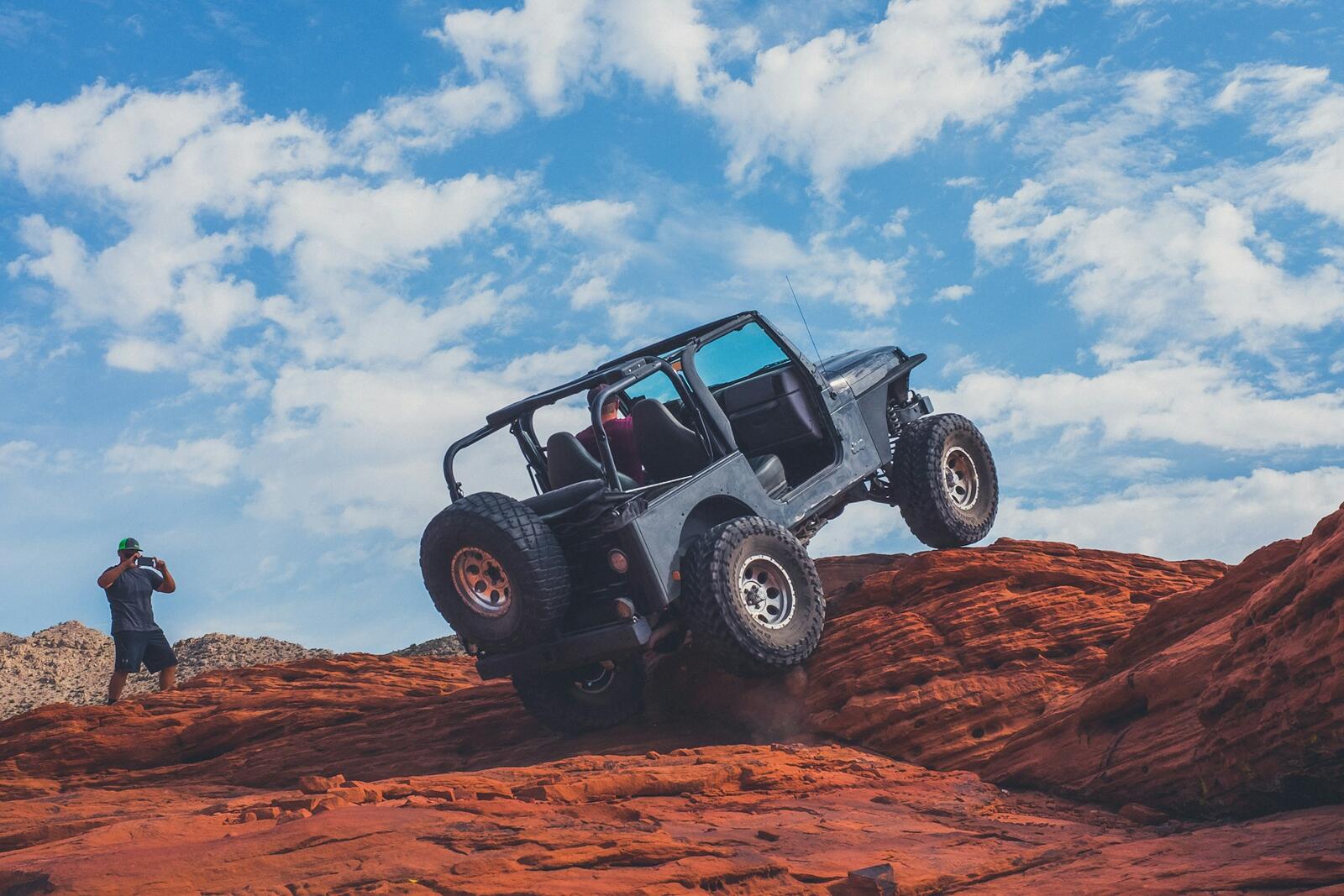
Going doors-off usually means going somewhere worth the effort: a beach, a trail, a fire road. Those surfaces reward lower tire pressure. At 35-38 PSI, a 35-inch tire has a narrow contact patch that rides over loose terrain instead of gripping it. Drop to 22 PSI and the sidewall folds slightly, spreading the footprint and gripping more surface instead of digging in.
The doors-off trip that includes a trail run also includes the drive home on pavement. Running 15 PSI on the highway is not just uncomfortable. It overheats the tire carcass, causes uneven wear, and puts you close to a blowout at speed. Airing down and airing back up are two parts of the same habit, and the second part requires something you pack before you leave the driveway.
How low to go
Exact targets depend on your tire, load, and terrain, but 35-inch tires on most JK, JL, and JT builds follow a rough pattern:
- Pavement and highway: match your door placard, typically 35-38 PSI on a stock-height JL Rubicon or similar build with 35s.
- Light dirt and gravel: 28-32 PSI. Enough to smooth out washboard without rolling on sidewalls.
- Moderate 4x4 trail: 22-28 PSI. Where the difference in traction and ride comfort becomes obvious.
- Rock crawling and technical terrain: 15-18 PSI. The tire wraps around obstacles. Below 12 PSI on a standard rim you risk unseating the bead without bead locks.
- Sand and beach: 18-22 PSI. Wide footprint prevents sinking. Going too low on sand at speed creates handling problems.
Write those numbers on a strip of masking tape and stick it inside the engine bay or on the compressor bag. At the trailhead on a hot day with a group waiting, you don't want to be doing the math from memory.
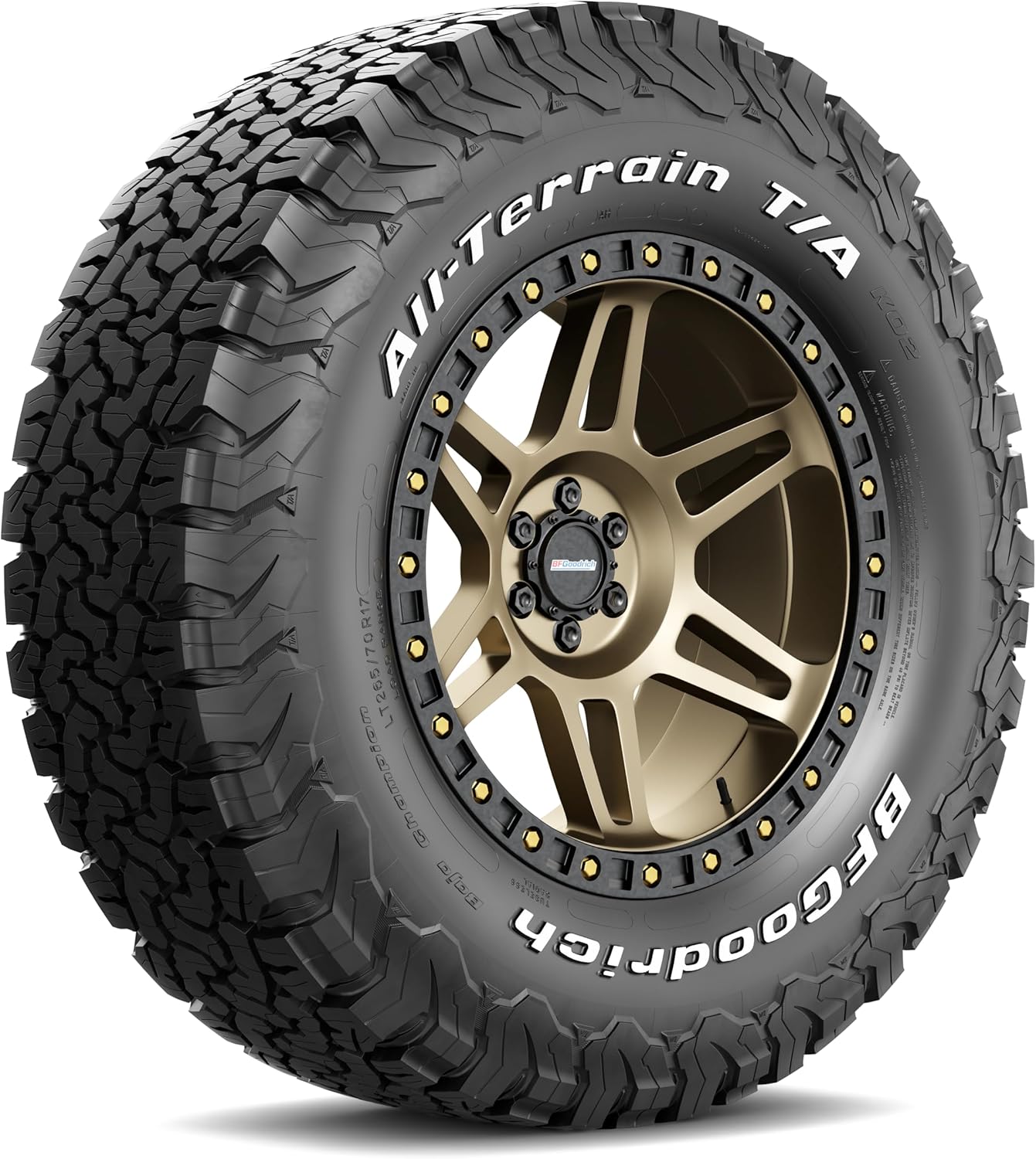
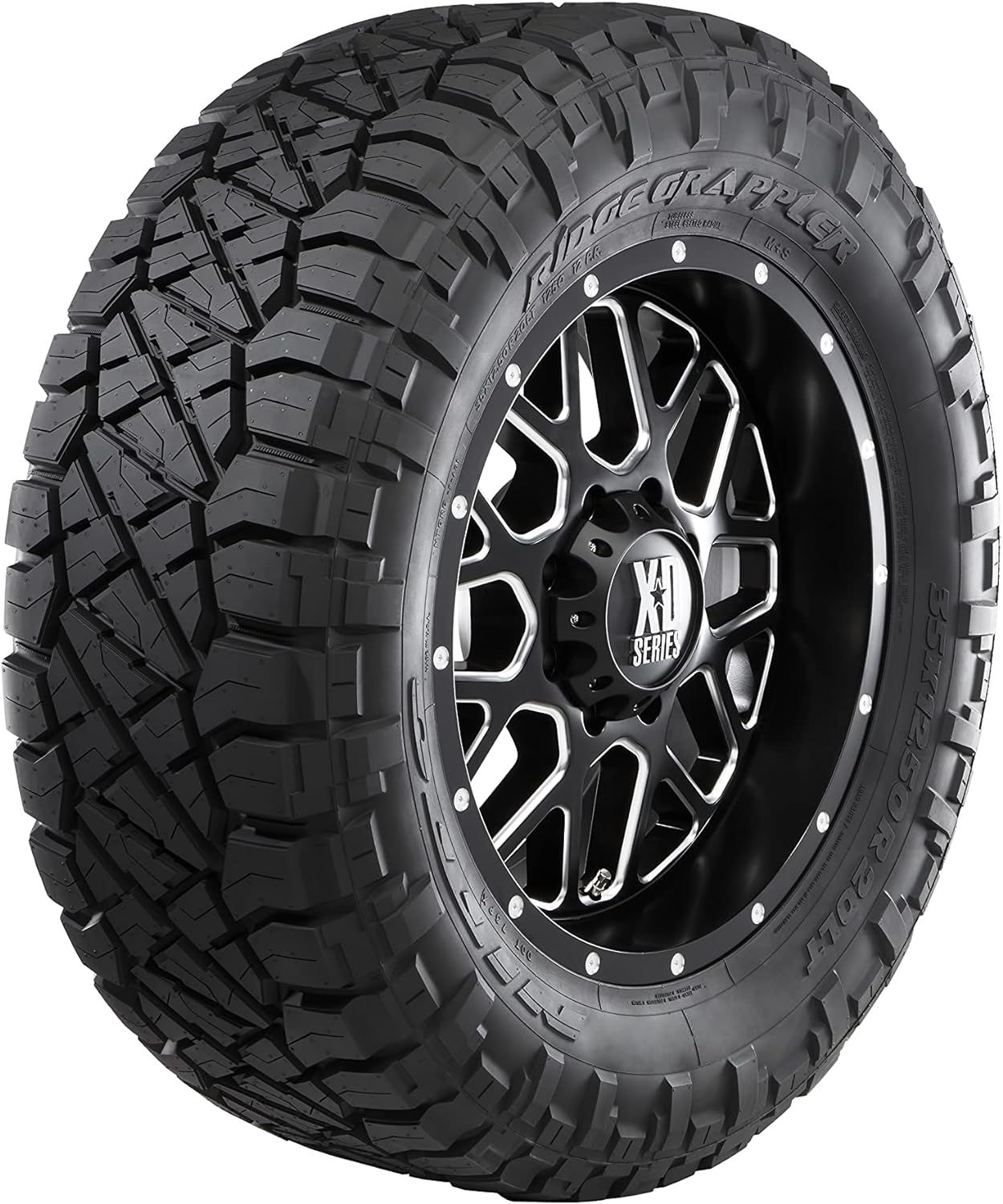
35s we'd air down
The tires referenced throughout this guide. Each runs a 35x12.50R17 footprint and takes roughly 5-6 minutes to air back up with the VIAIR 400P. Every link goes to Amazon.
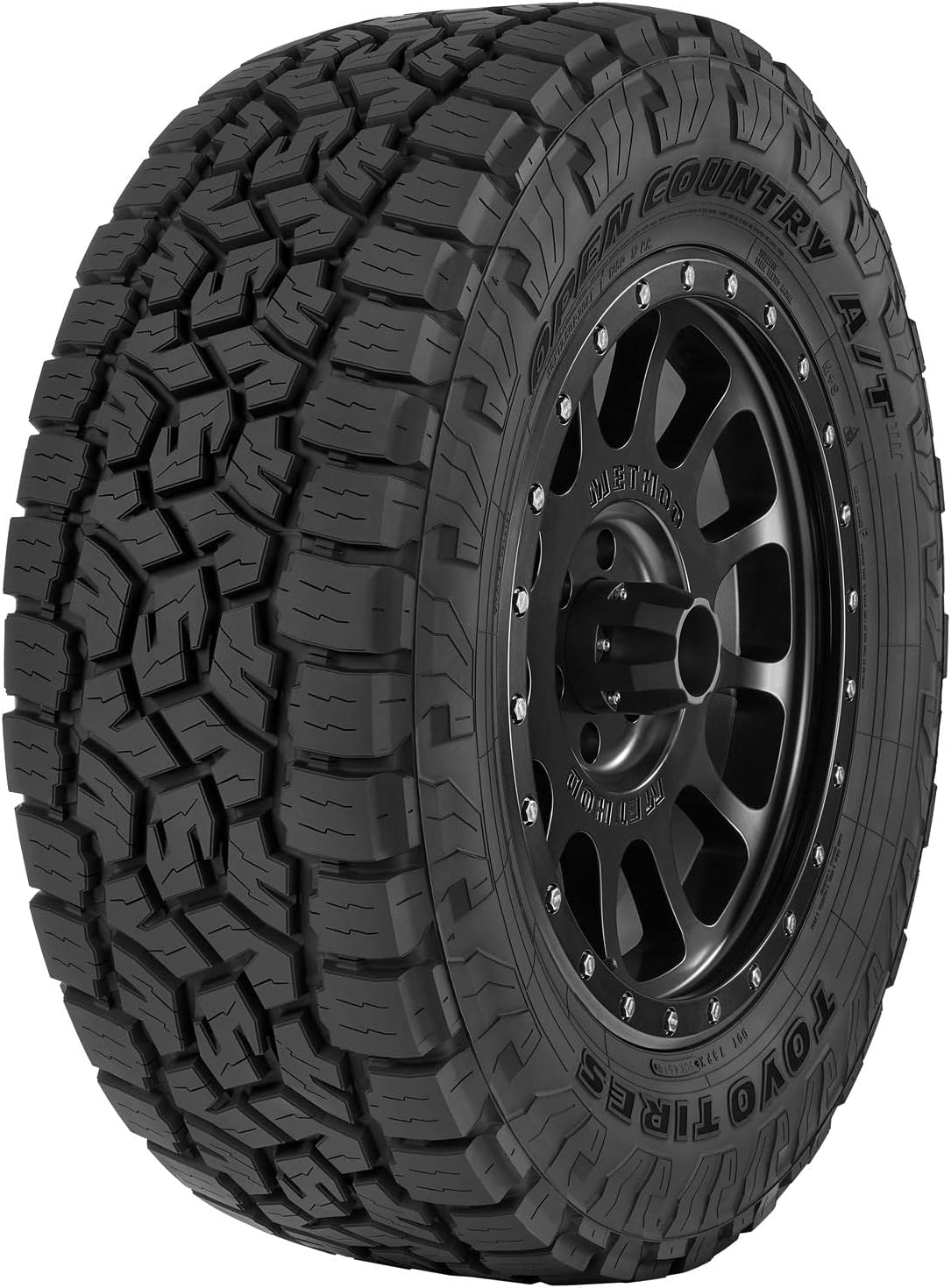
Toyo Open Country A/T III C-Load, 35×12.50R17

Nitto Ridge Grappler: 35×12.50R17
CO2, compact 12V, or full-size: how to choose
Three options cover most doors-off rigs. The right one depends on tire size, how often you trail, and how long you're willing to stand at the trailhead on the way out:
- CO2 inflator (cartridge or small tank): fast, quiet, no battery draw. A single 20oz cartridge cannot bring a 35-inch tire from trail pressure to highway pressure. The volume isn't there. CO2 works for spot inflations or emergencies, not for four tires after a full day on rock. If you're on 33s and only occasionally air down a few PSI, CO2 might be sufficient. On 35s with a real air-down habit, it won't be.
- Compact 12V inflator: plugs into the 12V outlet, slow CFM (typically 1-1.5 CFM). Adequate for 30-inch tires or small PSI adjustments. With a 35-inch tire going from 15 PSI to 38 PSI, expect 12-15 minutes per tire. Four tires on the way home is an hour of standing in a parking lot. Cheap units also thermal-cut on the third or fourth tire.
- Full-size 12V compressor: clamps directly to the battery, moves real air volume, rated for tires up to 35 or 37 inches. The VIAIR 400P falls here. More expensive and heavier than a compact inflator, but the time at the trailhead drops from an hour to 25-30 minutes for four 35-inch tires.
The VIAIR 400P: what the specs actually mean
The 400P ships as a portable kit: battery alligator clamps, pressure gauge, inflator hose, and a carry bag. The specs that matter for a 35-inch build:
- 2.3 CFM flow rate: roughly 5-6 minutes per 35-inch tire going from 15 PSI to 38 PSI. That's the real number. Not the "rated for 35-inch tires" marketing line, but the math on fill time at that CFM with that volume.
- 33% duty cycle: the unit runs for no more than 33 consecutive minutes per hour. On four tires, that means short rests between tires, not a full stop. Two tires, let it cool two or three minutes, two more tires. Ignoring the duty cycle and running it continuously will trigger the thermal cutoff or shorten the motor's life early.
- 150 PSI maximum: more than enough for any street or trail tire. You're inflating to 38 PSI, not 150. The headroom matters for the motor's longevity, not because you need 100-plus PSI in a trail tire.
Where the 400P shows its limits: the portable kit format means battery clamps to connect every time, and carrying the 7-pound compressor loose in the cargo area is a bad idea on rough terrain. It slides into gear, the bag wears through, and eventually the unit takes a hit. The mounting section below covers how to fix that.
Compressor and a place to put it
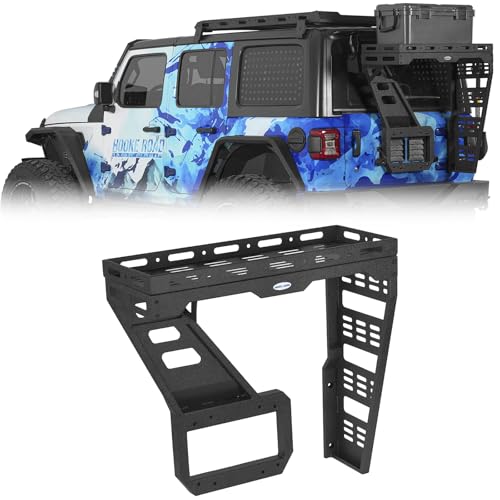
The VIAIR 400P plus the two most common mounting points on a doors-off rig. Every link goes to Amazon.
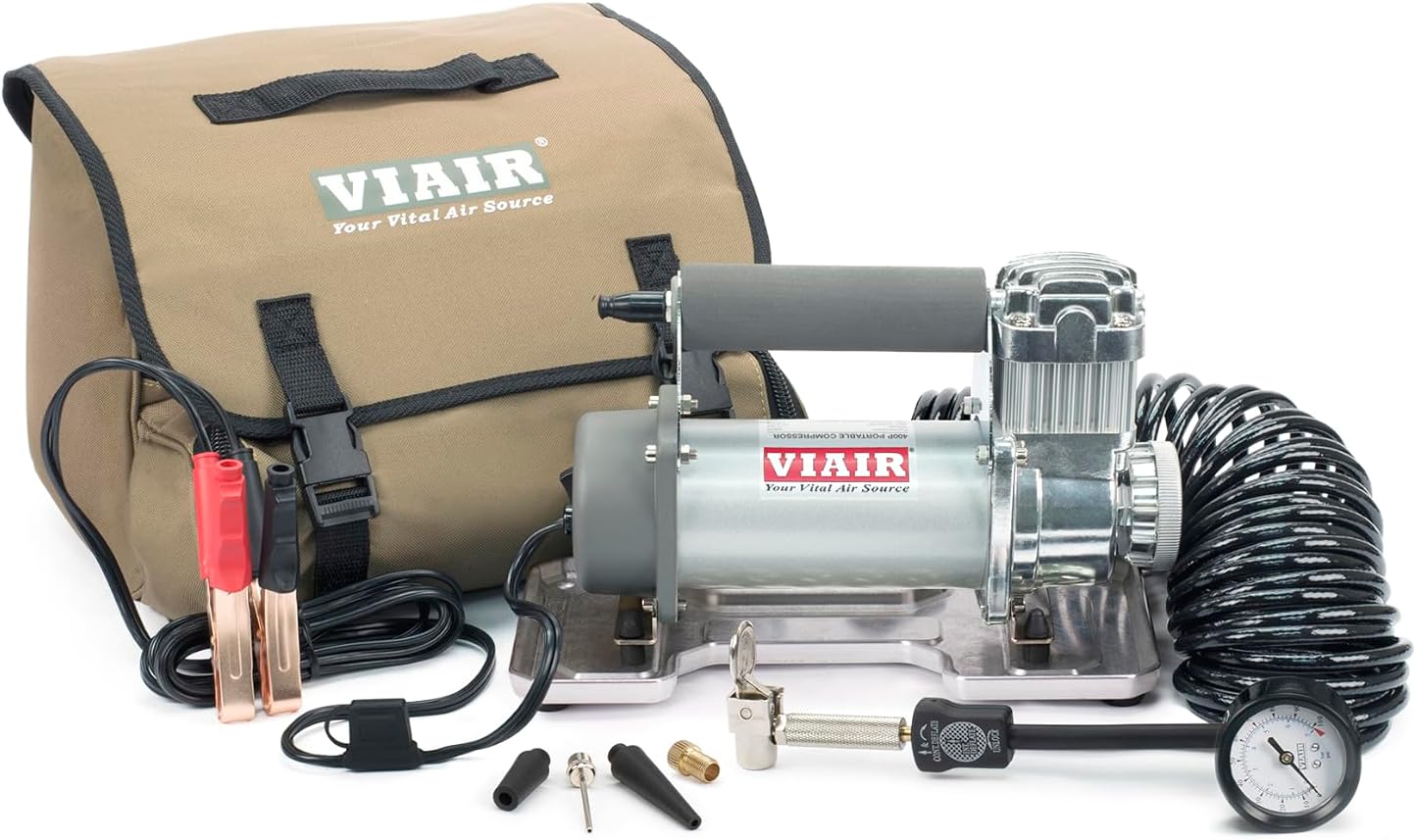
VIAIR 400P 35-Inch Tire Compressor

Hooke Road Tailgate Spare Tire Cargo Basket (JL)

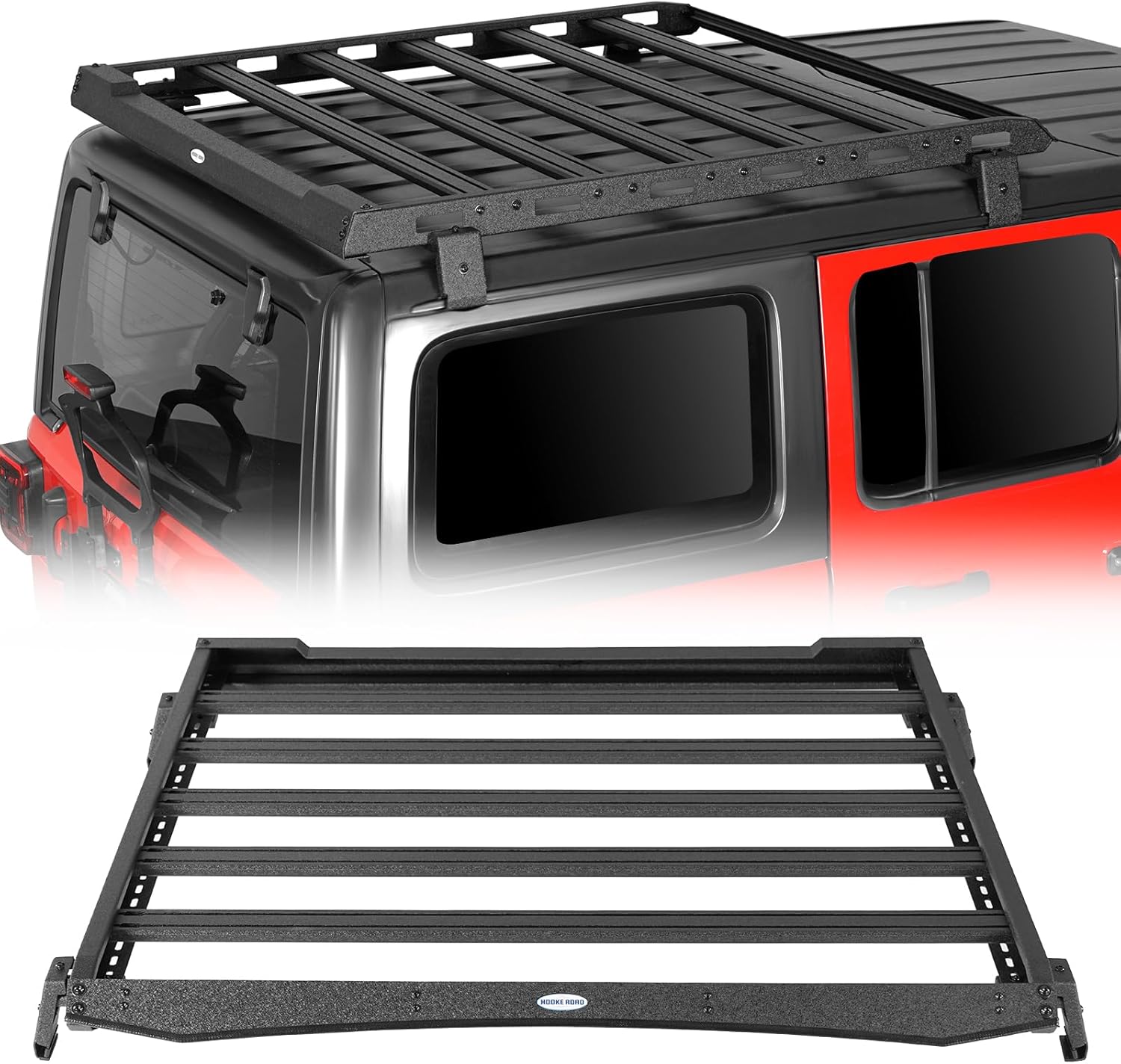
Hooke Road Overland Roof Rack (Hard Top)
The airing-down and airing-up sequence
A consistent sequence costs 10-15 minutes and saves a tire, or a rim, or an embarrassing tow call.
- Before leaving the pavement: check your starting PSI with the compressor's gauge or a stick gauge and write it down. You're inflating back to this number later, not to memory or a guess.
- At the trailhead: air down all four tires to your terrain target. Work the same order every time so you don't skip one. Front-to-back or driver-side-first, it doesn't matter, as long as it's consistent.
- On the trail: check pressure if you hear or feel something change suddenly. A tire losing air fast is different from normal trail flex on low PSI.
- At the trailhead on the way out: air back up fully before hitting pavement. Not mostly. All the way back to highway PSI. A 35-inch tire at 28 PSI on the freeway feels normal right up until it overheats at mile 30.
- After the first 10-15 miles on pavement: a quick check is worth doing. Tires warm up on the road and PSI climbs a few points. If you're within 2-3 PSI of your door placard number, leave it. If you over-inflated at the trailhead, let a little out.
Where to mount the compressor
Where you stash the compressor decides whether you actually grab it at the trailhead or leave it zipped in the bag. Three options that work on a rig with a tailgate rack or roof basket already taking up space:
- Tailgate rack shelf or strapping points: many tailgate racks have a lower shelf or tie-down rails. The VIAIR 400P bag bungees to most of them without a bracket. This puts the compressor at tailgate height, reachable without digging into the cargo area, and off the cargo floor where it would otherwise get buried.
- Rear cargo hook (JL/JT interior): a carabiner through the bag's handle on one of the factory cargo hooks keeps it upright and off the floor. Works well for regular trail use where you're not stacking gear deep. Takes no tools to set up and none to remove.
- Roof basket corner: if the basket is already loaded and the tailgate rack is also committed, the roof works. Compressor goes in last, comes off first at the trailhead. A 7-pound compressor on a loaded overland rig is in the noise weight-wise, but run it through the basket's tie-down rails so it can't shift.
If you have the factory cargo tray under the rear seat on a JL or JT, that works for storage, but reaching it mid-session gets old after the second time. Somewhere you can grab the bag in one motion is always better than somewhere it technically fits.
Trail air FAQ.
- What PSI should I run 35-inch tires on the trail?
- It depends on terrain. A rough guide for 35-inch tires: 28-32 PSI for light dirt and gravel, 22-28 PSI for moderate 4x4 trails, 15-18 PSI for technical rock crawling, 18-22 PSI for sand. Your door placard has your highway spec, typically 35-38 PSI on a JL Rubicon or similar 35-inch build. Write the numbers down and tape them somewhere you'll see them at the trailhead.
- Can I use a CO2 inflator to air back up from 15 PSI on 35-inch tires?
- Not reliably. A standard 20oz CO2 cartridge doesn't have enough volume to bring a 35-inch tire from 15 PSI to 38 PSI. CO2 works for spot inflations or topping off a tire that's a few PSI low, not for a full air-up after a day on rock. On 35s with a real airing-down habit, you need a 12V compressor rated for that tire size.
- What does 33% duty cycle mean on the VIAIR 400P?
- Duty cycle is how long the compressor can run continuously relative to its rest time. At 33%, the 400P can run about 20 consecutive minutes before needing a rest period to cool down. For four 35-inch tires going from 15 to 38 PSI, at roughly 5-6 minutes per tire, you can fill two tires, let it rest a couple of minutes, then fill the other two. Running it continuously without rest will trigger the thermal cutoff or shorten the motor's life.
- How long does it take to air up 35-inch tires with the VIAIR 400P?
- At 2.3 CFM, roughly 5-6 minutes per 35-inch tire going from trail pressure (15-18 PSI) to highway pressure (35-38 PSI). Four tires takes 25-30 minutes including short rests between tires. That's a meaningful improvement over a compact 12V inflator at 1-1.5 CFM, which runs 12-15 minutes per tire.
- Where do you mount a portable compressor on a Jeep with a tailgate rack?
- A tailgate rack with a lower shelf or tie-down rails is the easiest option: bungee the compressor bag to the rack and it sits at tailgate height, one grab away. If the rack is full, the rear cargo hooks inside a JL or JT work with a carabiner through the bag handle. Roof basket corners work too if the basket has tie-down rails to secure it.
- Do I need to air down more with the doors off than with them on?
- Doors-off or not, your trail PSI target is set by terrain and tire size, not door count. The connection is indirect: if you're pulling the doors off, you're probably going somewhere that rewards airing down. The habit goes together. Trail pressure is trail pressure either way.
- What's the difference between the BFG KO2, Toyo AT3, and Nitto Ridge Grappler on trail PSI?
- All three run well as 35x12.50R17 trail tires and respond to airing down similarly. The KO2 is stiffer-sidewalled and slightly more forgiving if you drop too low before reseating. The AT3 has a C-load rating that handles extra weight on a loaded JT Gladiator. The Ridge Grappler sits between an AT and MT in tread pattern and gives up a little on-road comfort for more trail bite. PSI targets for all three are in the same ballpark for the same terrain.
PSI targets here are guidelines for 35-inch tires on JK, JL, and JT builds, not manufacturer specifications. Your specific tire brand, load rating, and rim width affect the right numbers for your rig. Check your door placard and tire sidewall markings before changing from factory pressures, and confirm any legal requirements around tire pressure in your state.
Aired down in.
Come back out.
Check the forecast before you commit the hours, and check your PSI before you hit the road home. The compressor earns its space the one time you actually need it.