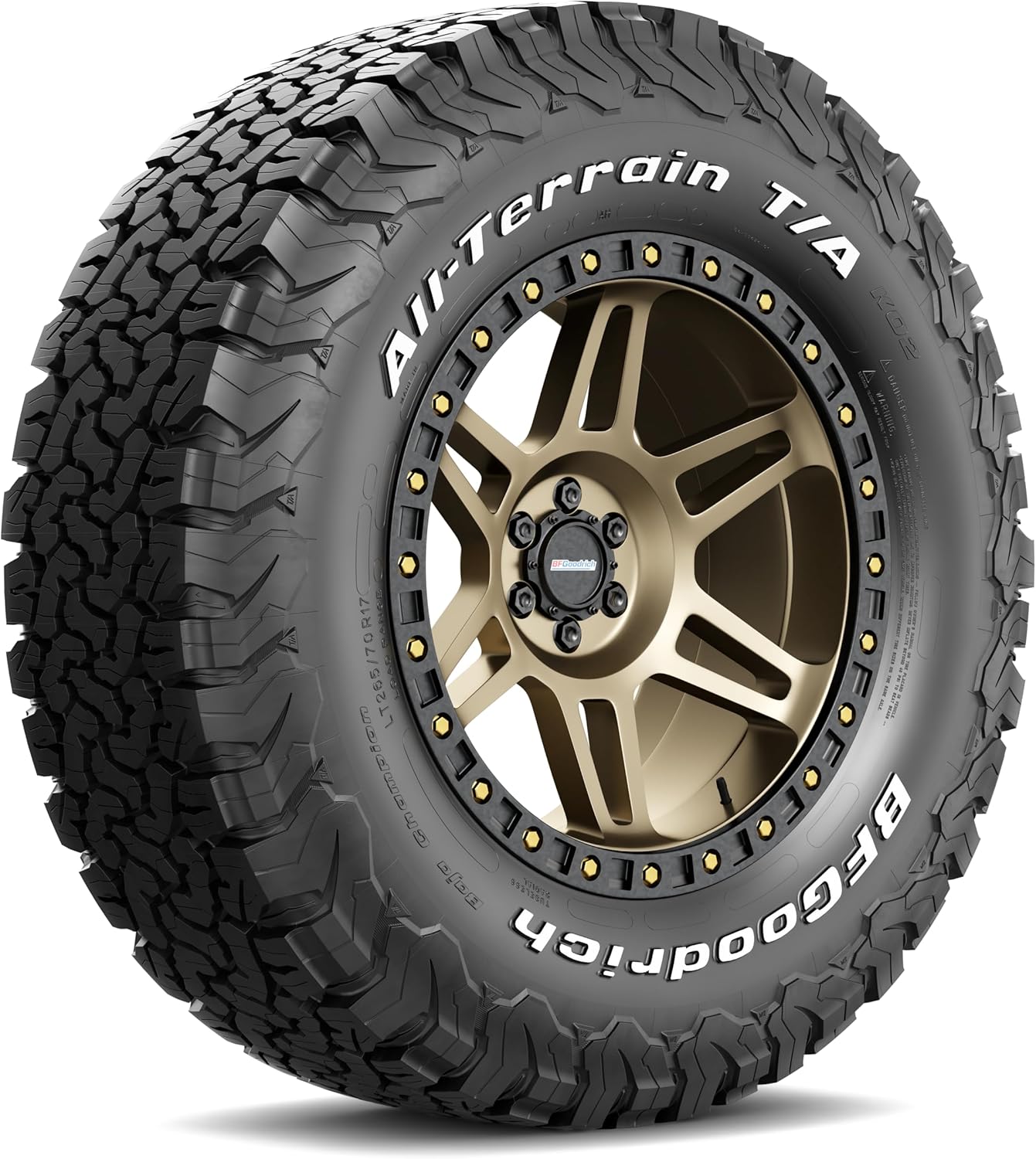
BFGoodrich All-Terrain T/A KO2, 35×12.50R17
Check price on Amazon
Buy →You want 35s on the JL. Good call. But bigger rubber doesn't just bolt on. The fender, the lift, and the wheel offset all have opinions. Here's the fitment math, the lift options, and the one thing that changes when you're running doors-off.
The 35-inch tire question is really three questions: can they clear stock? What does a lift buy you? And does it matter which lift? The answers depend on offset — but there's a common path most JL owners land on, and it's less expensive than the forum threads make it sound.
The JL Wrangler was designed with larger tires in mind. Unlike the JK before it, the JL fits a 33-inch tire with zero modification. At 35 inches, you're at the edge of stock clearance — possible, but conditional.
The limiting factors are the front inner fender liners and the sway bar end links in full compression. At stock height, a 35x12.50R17 on a stock-offset wheel will contact the inner liner at full steering lock and full droop on most JL and JLU trims. The Rubicon has slightly more clearance because of its factory bump stop extension and fender geometry, but it's not a free pass. The variable that matters most is wheel offset: run a more aggressive offset (less backspace) and you push the tire outboard, away from the inner fender. More on that below.
Stock height plus a trim of the plastic inner liner is a real path to 35s on a JL. It's what a lot of JL owners do as a zero-cost, no-lift first step. Know what you're giving up: clearance at full compression is tighter, and articulation on trail can create contact that stock-height street driving won't.
A 2-inch lift — whether a coil spacer kit, a leveling kit, or a mild lift suspension — does two things: it raises the body away from the tire, and it shifts the bump stop travel window. Both help 35-inch clearance.
With 2 inches of lift and a wheel in the -18mm to +18mm offset range, 35s fit most JL and JLU owners without trimming the liner. You may still see light contact at full steering lock and full compression simultaneously, which is an extreme position that mostly shows up during serious trail flex, not daily driving. Trim the liner if that bothers you — it's a five-minute job with a utility knife and a heat gun.
Spacer lifts (a coil spacer sitting on top of the factory spring) are the budget path. They raise the body, correct some of the factory rake, and are generally the lower-cost installed option. They don't change your control arm geometry meaningfully at 2 inches — the factory arms are still close to correct at that height. Above 3 inches, you want adjustable arms. At 2 inches, a spacer kit is not a compromise.
The argument for 2.5 inches over 2 is clearance margin. Most JL owners running 35s with a 2-inch lift report the fitment is good but snug. At 2.5 inches you open up enough room that offset choices become less fussy and trail flex is less likely to produce contact.
At 2.5 inches, you have two paths:
The practical difference for 35-inch fitment: both clear the tire at 2.5 inches. The full suspension kit does it more confidently at full articulation. For a doors-off daily that hits moderate trails, a coil spacer at 2 to 2.5 inches and the right wheel offset solves the fitment problem for significantly less money.
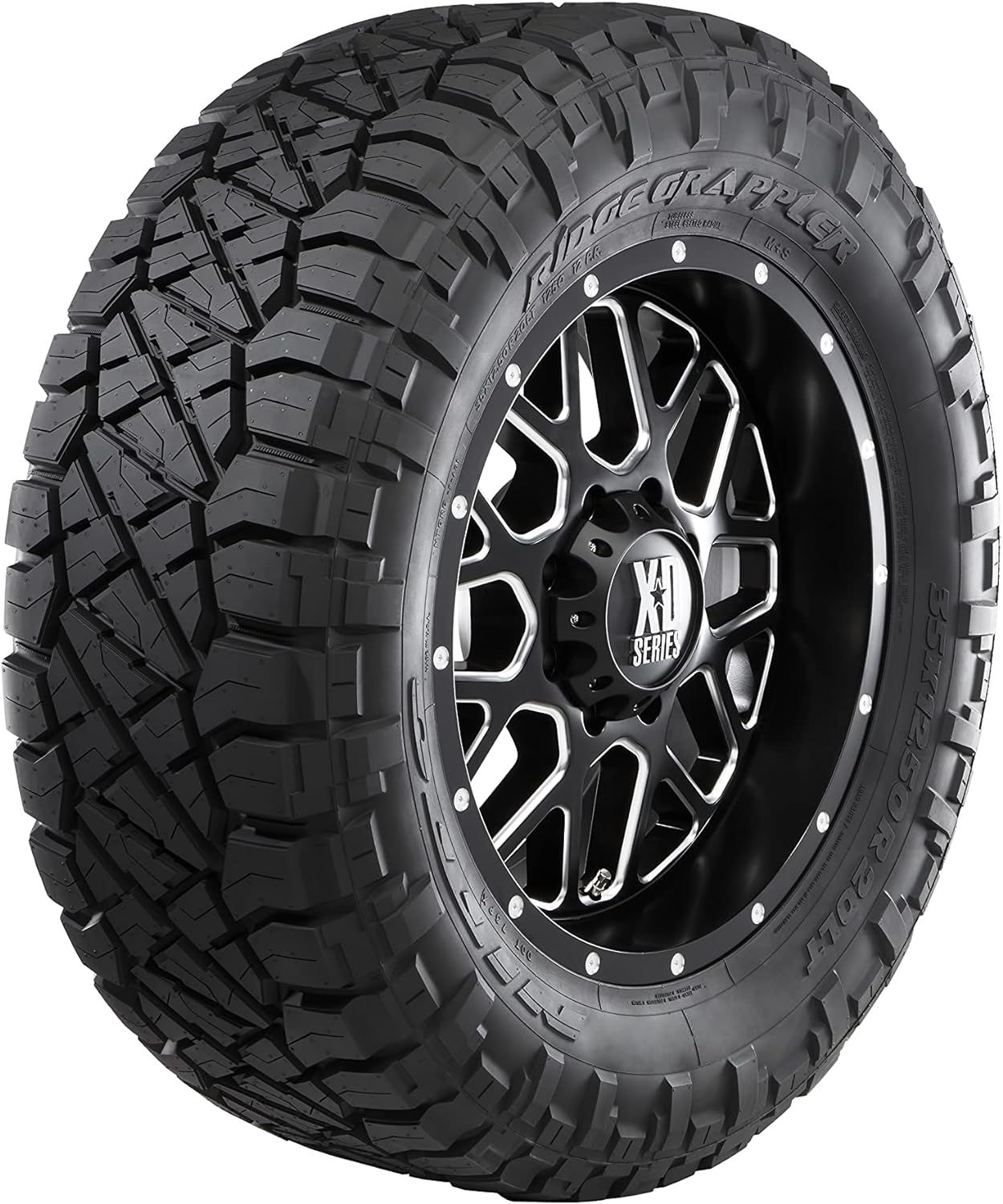
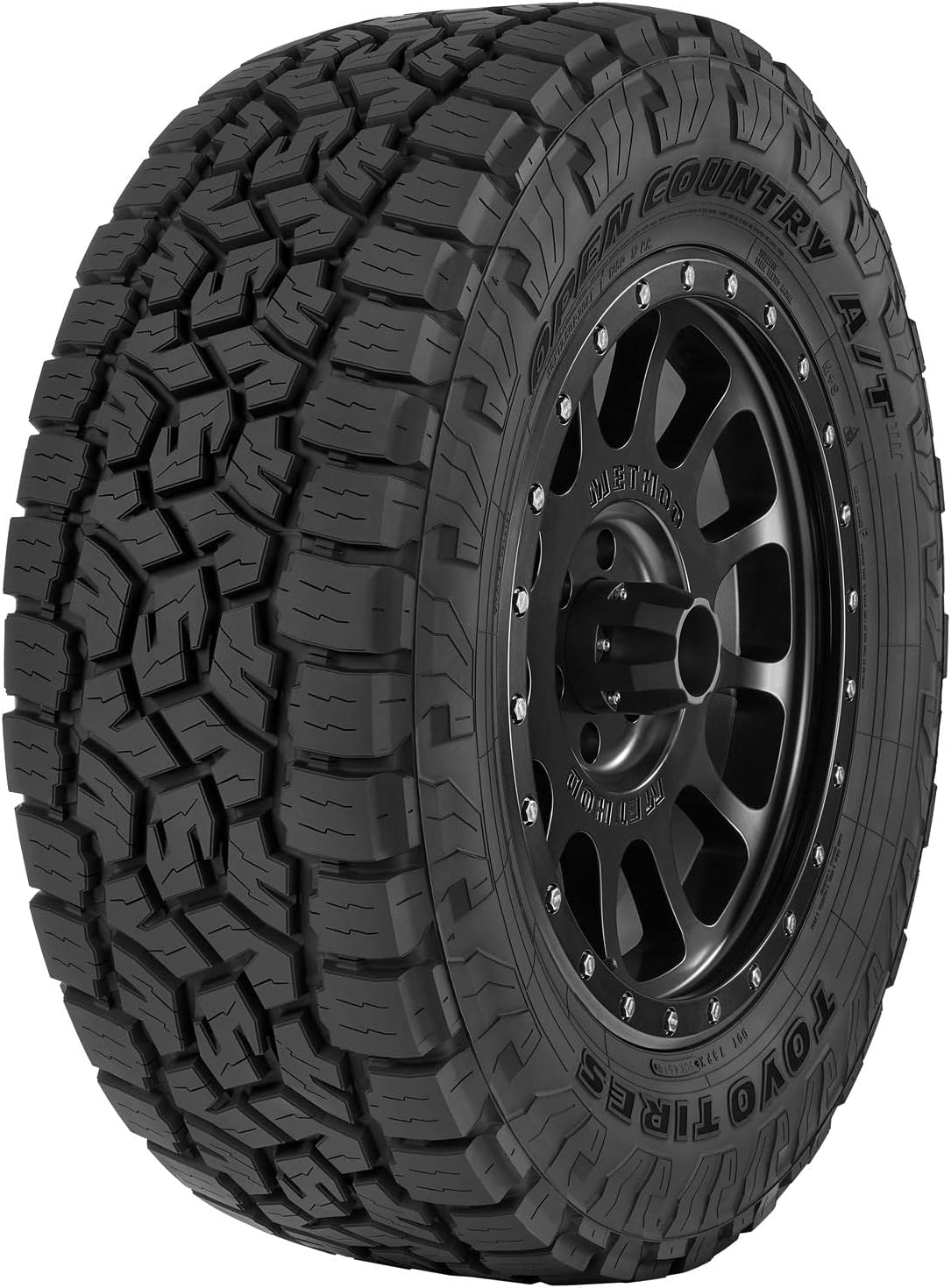
BFGoodrich, Nitto, and Toyo in 35x12.50R17. All link to Amazon.
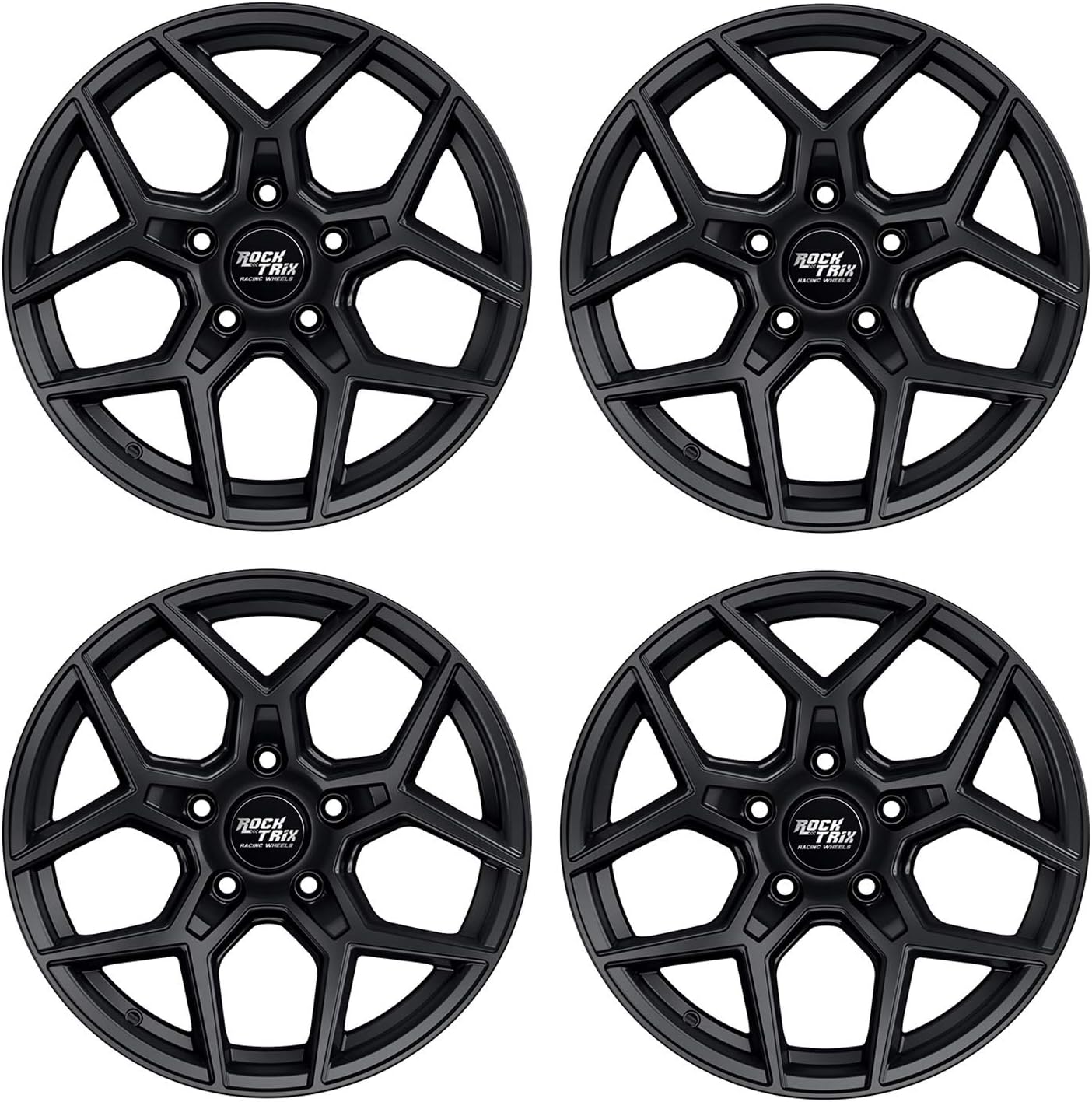
Lift height gets discussed constantly. Wheel offset gets discussed less, and it does as much work for 35-inch fitment.
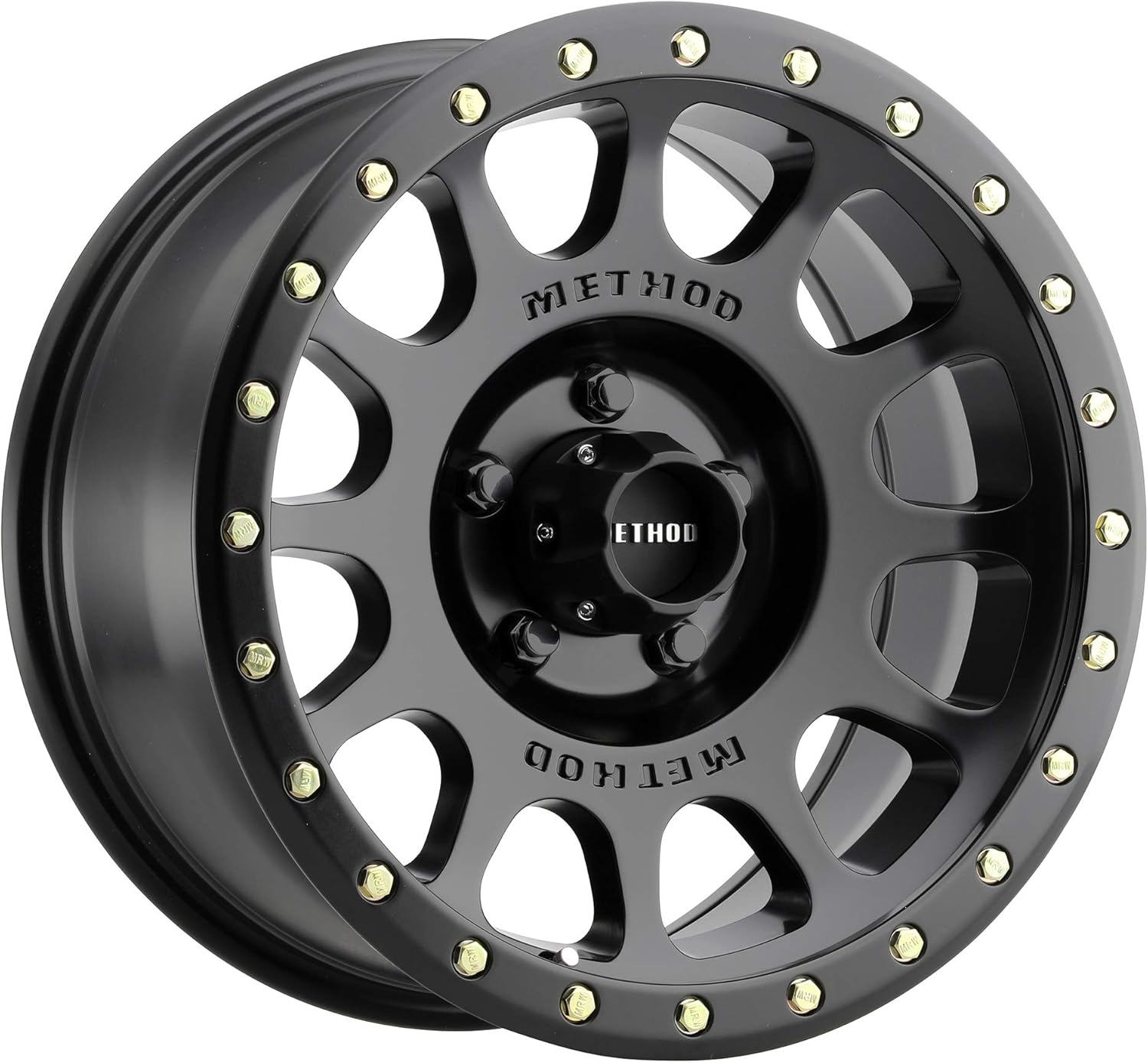
Offset is the distance between the wheel's mounting face and its centerline. On a JL Wrangler, the factory wheels run around +44mm. Most aftermarket 35-inch fitment calls for an offset between -18mm and +18mm — you're pushing the tire outboard compared to stock, which moves it away from the inner fender.
Backspacing and offset are two ways of describing the same geometry. A wheel with 4.75 inches of backspace at 17x8.5 puts the tire further out than a 5.5-inch backspace wheel. Most JL-specific aftermarket wheels are spec'd to work with 35s in the 2 to 2.5-inch lift range, but confirm the spec before you order. The wrong offset on an otherwise correct build will still rub at the inner liner or, at worse, the frame at full lock.
The JT Gladiator has more clearance for 35s at stock height than either JL variant, due to its longer wheelbase and different fender geometry. If you're on a JT, your fitment math is more forgiving across the board.
These are the three 35-inch tires that show up on most JL build threads. Here's what actually separates them:
Weight matters on a doors-off build. A 35x12.50R17 KO2 runs around 50 lbs per tire; the Ridge Grappler around 54 lbs. Adding roughly 200 lbs of unsprung mass across four corners changes how the Jeep rides on rough pavement. Doors-off, you feel that more directly — nothing filters the steering wheel feedback.
Built for JL Wrangler 35-inch fitment. Every link goes to Amazon.
The lift guides don't say this: running doors-off shifts the real calculation slightly. When your doors are home, the Jeep weighs less — roughly 40 to 80 lbs less depending on the doors. Less weight at the front corners means the front suspension sits fractionally higher under load than it does with doors on. The difference is small, but it nudges your clearance margin in the right direction.
More practically, doors-off changes what you feel. At 60 mph without doors, road imperfections come through the seat and steering wheel without the acoustic buffering the doors provide. A heavier, more aggressive tire at 35 inches adds unsprung mass and tends toward a rougher feel at road speed. If you're spending most of your doors-off time on highway and fire roads, the KO2 or AT3 is the more honest tire choice. The Ridge Grappler earns its slight noise increase only if most of your doors-off time is trail speed, where the hybrid tread actually does different work.
There's also a debris factor. Without doors, anything the tires throw has an open path into the cockpit. Aggressive mud-terrain tread on muddy trails kicks up more material. It's rarely a serious issue, but a passenger in the back seat will have opinions. Plan accordingly.
Here's the short version of the fitment decision:
One more thing worth mentioning: regearing. The JL shipped with better axle ratios for 35s than the JK, so many JL owners run 35-inch tires on the factory gearing without complaint. If you notice consistent sluggishness at highway speed or your transmission hunts on grades, a regear to 4.56 is worth a conversation with your shop. It's not automatic at 35 inches on a JL, but it depends on your engine, transmission, and driving patterns.
Fitment varies by trim level, wheel offset, backspacing, and driving conditions. Confirm your specific JL, JLU, or JT configuration with a fitment guide or your local shop before committing to a tire and lift combination.
Pick your tire, pick your lift, get the offset right. The rest is just driving. Check the sky before you commit to doors-off.