As an Amazon Associate we earn from qualifying purchases. Every buy button leads to Amazon.As an Amazon Associate we earn from qualifying purchases.Full disclosure →Disclosure →
GUIDE / WINCH ROPE

Swap the cable.
Keep the fingers.

Your winch probably shipped with steel cable. It works right up until it doesn't, and when loaded steel lets go it does not drop gently. Synthetic rope is lighter, safer, and now costs about the same. Here is what the tradeoff actually looks like on a trail rig.

PART OF THE TRAIL & RECOVERY SHELFSee all 11 guides →

For most Wrangler owners who trail a few times a season and garage the rig between runs, synthetic rope is the obvious swap. The details worth knowing: UV degradation is real, not all synthetic rope is built the same, and the winch rope is only one piece of a recovery kit worth thinking about all at once.

Why people swap off steel

Steel winch cable came standard on most Jeep Wrangler and Gladiator winch kits because it is cheap, it doesn't rot in storage, and it's familiar. The problem is that steel stores elastic energy as it loads up under tension. When a loaded steel cable parts, that energy releases in a direction nobody gets to choose. The injury history on steel cable failures is well documented among anyone who has spent time at trail events, and a recovery damper helps but doesn't eliminate the risk.

Beyond the snap, steel kinks. A kinked section is permanently weaker, and you can't reliably spot a bad section once it's spooled onto the drum under tension. Steel also cuts with edge contact in a way synthetic doesn't, which is why anyone working steel cable regularly is wearing gloves, and anyone working synthetic usually isn't.

Steel vs. synthetic: where they're actually different

Five things worth weighing before you pull the cable off the spool:

  • Safety on a break: Synthetic rope stores almost no elastic energy under load. When it parts, it drops. Steel does not. This is the difference that moves most people off cable.
  • Weight: A 50-foot synthetic rope runs roughly a third the weight of equivalent steel. On a doorless Wrangler already running without door mass, extra nose weight isn't free, especially on technical terrain.
  • Kink behavior: Synthetic coils flat and spools cleanly onto the drum. Steel develops memory over time and kinks stack up. A synthetic snag can usually be worked out by hand on the trail; a bad kink in steel needs to come out of the line entirely.
  • UV degradation: This is synthetic rope's real liability. HMPE fiber breaks down under sustained UV exposure. A rope stored in direct sun on a front bumper ages measurably faster than one garaged between runs. Inspect the jacket each season for fading, stiffness, or surface fraying, and replace it if it looks sun-cooked.
  • Price: The gap between a synthetic rope kit and a steel cable replacement has closed. Both run well under a hundred dollars for a comparable rope length. Check the price and specifications for your exact winch.

The case for staying on steel is real but narrow: you leave the rope spooled and exposed to full sun year-round, you winch in heavy mud that can pack grit into a braid against the drum, or you're far enough from a parts source that you'd rather replace a known-good steel cable than field-inspect synthetic. For most trail rigs driven seasonally and stored out of the weather, those conditions don't apply.

MAKE THE SWAP

Complete the recovery kit

Check your winch manual for rope specifications, then add recovery hardware that matches your setup. Every link goes to Amazon.

See all recovery gear →

What to actually buy

Start with the winch manual. Match the replacement rope's diameter, length, and line rating to the exact winch, then check the hook and fairlead. A 10,000 lb strength claim on a rope does not mean it is the right replacement for a 10,000 lb winch. For example, WARN specifies 3/8" x 90ft synthetic rope for its 10,000 lb VR EVO 10-S.

The YUNFUER 1/4" x 50ft blue kit is listed for ATV and UTV use. Its rope, hook, protective sleeve, rubber stopper, and pull strap match the selected listing, but it is not a default Wrangler or Gladiator replacement. Use it only if your own winch specifications call for that size and rating.

One thing to sort before you swap: your fairlead type. A hawse fairlead (the flat aluminum oval common on most Jeep bumpers) is what synthetic rope prefers. A roller fairlead works but was designed around steel. If you're running an old-school roller fairlead and going synthetic, swapping to a hawse at the same time makes sense.
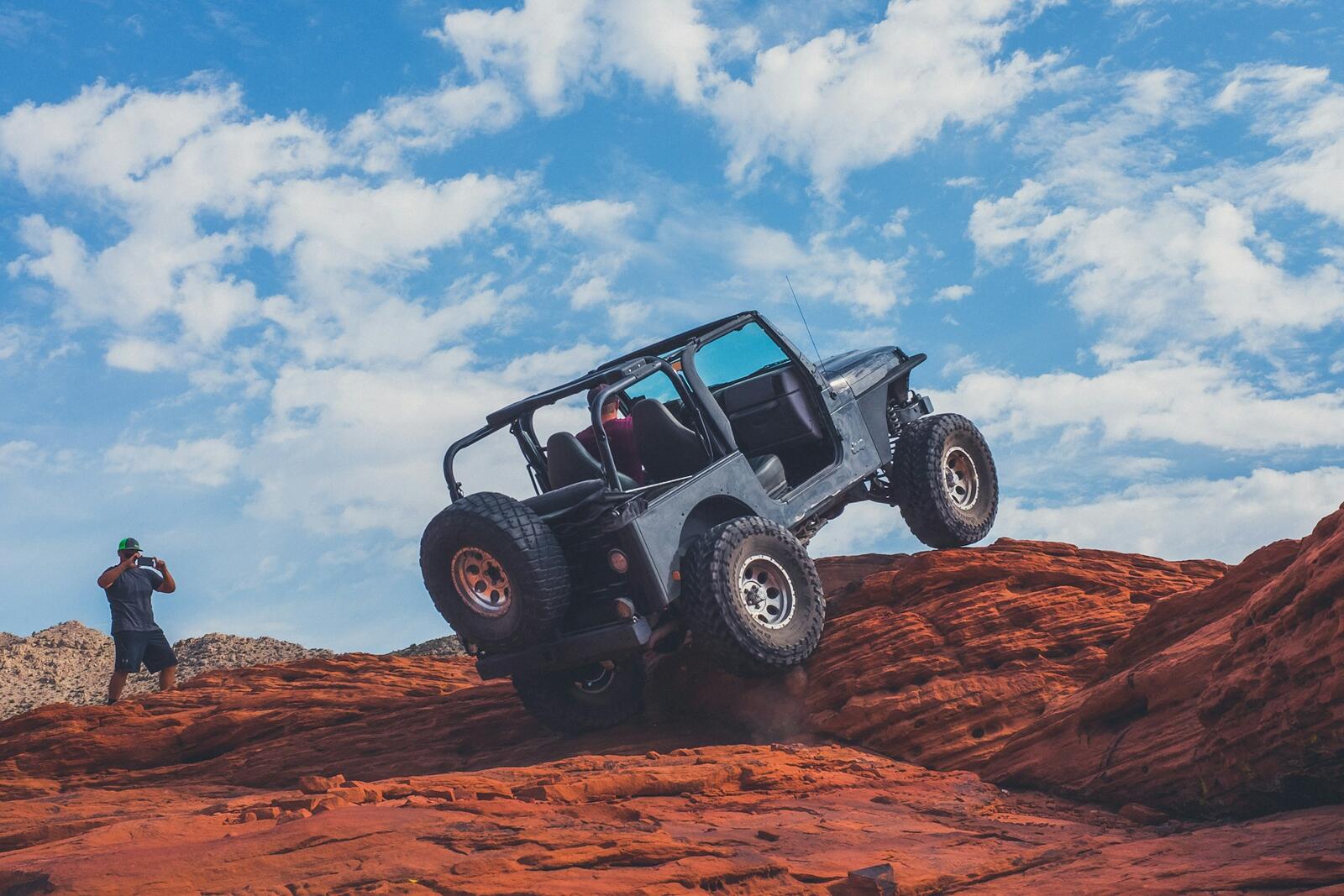
Recovery gear laid out for a trail run
The winch rope is one piece. The rest of the kit is what gets you unstuck when the winch angle doesn't work.

The rest of your recovery kit

Swapping the winch rope is the right place to start, but a winch alone doesn't cover every stuck scenario on a doors-off trail run. Self-recovery without a pull point is the situation that catches people, and it's where the rest of the kit earns its space in the cargo area.

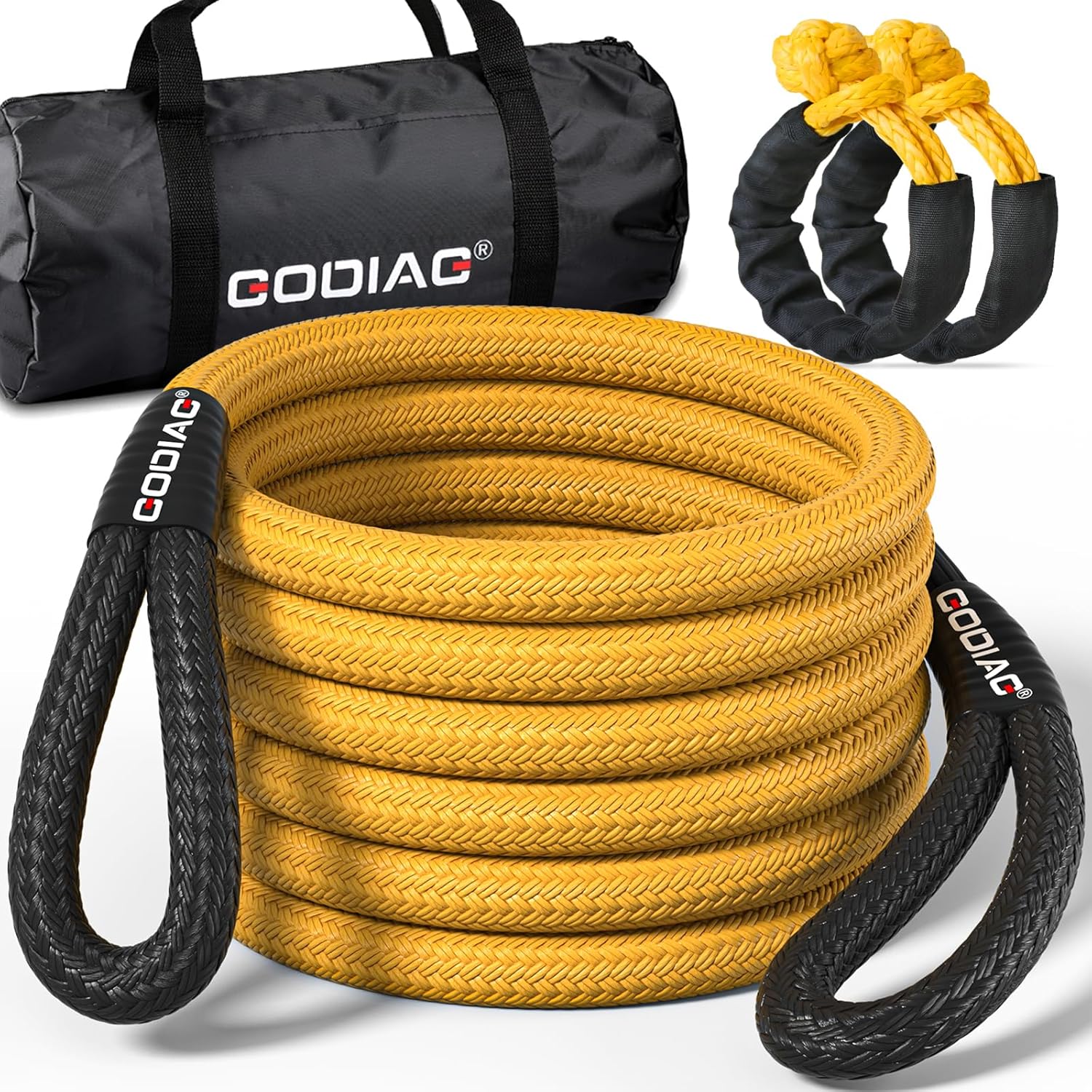
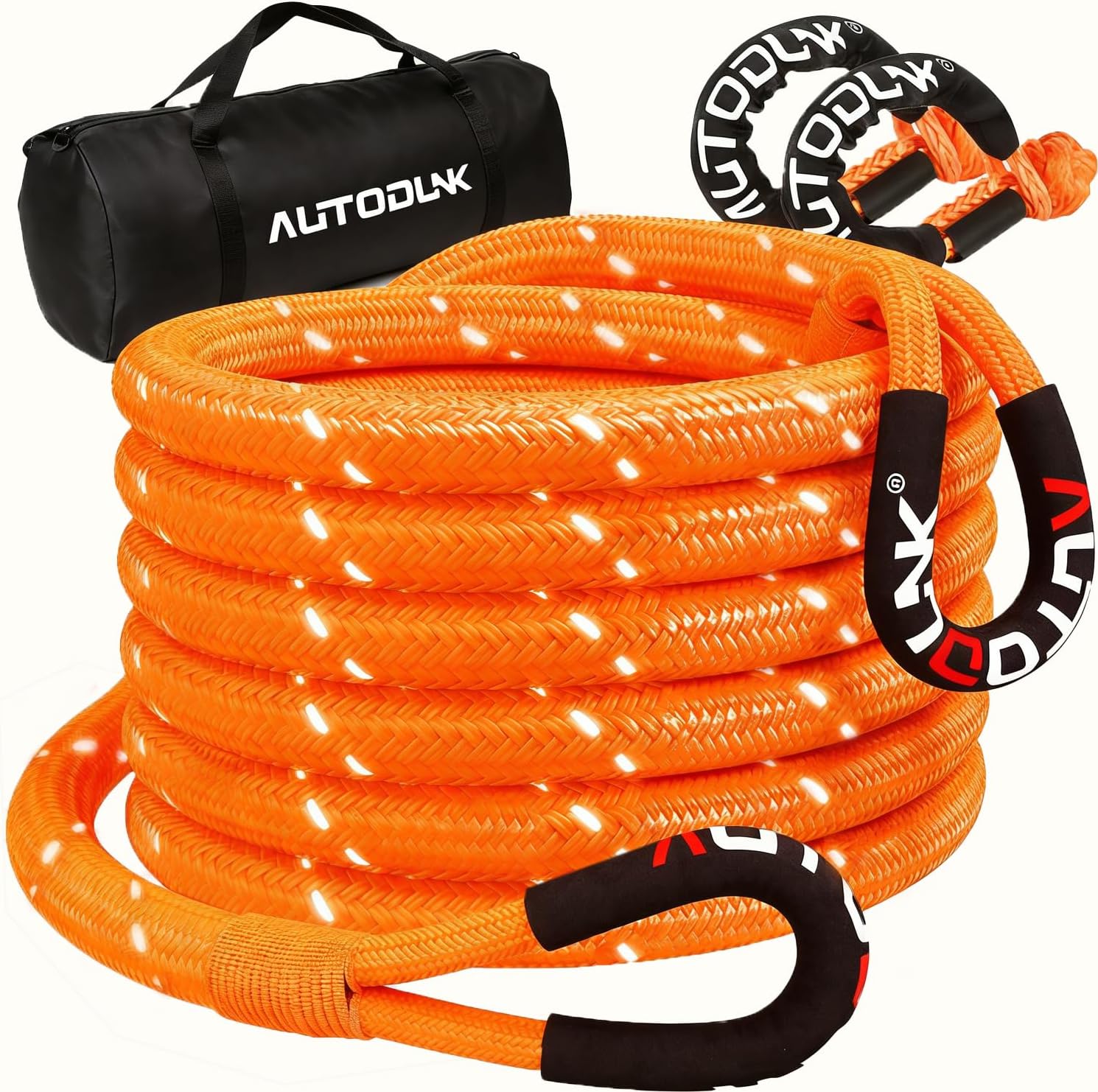
A kinetic recovery rope handles the cases where you have another vehicle but no anchor. The kinetic rope stores energy in its stretch and uses that to pull a stuck rig free without the shock-loading of a straight tow strap. The Autodunk kinetic rope kit and the Offroading Gear rope are both sized for a Wrangler-to-Wrangler pull.

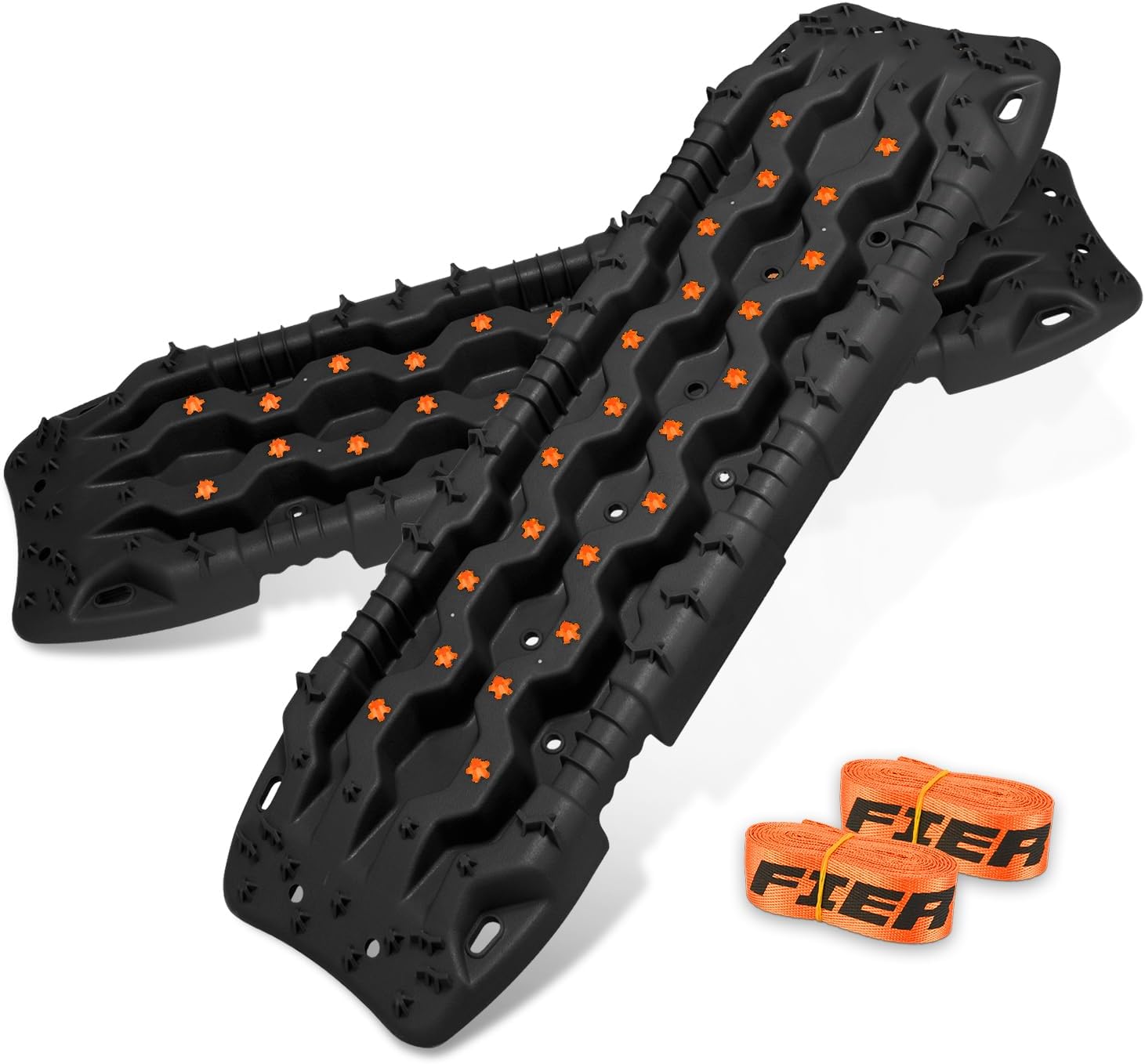
Traction boards cover the situation neither the winch nor the kinetic rope helps with: a vehicle dug in so deep that adding more pull force just breaks something. The Fieryred traction boards go under the tires and give the drive wheels something to bite. They're also the fastest self-recovery option when you're alone and the dig-in isn't deep.

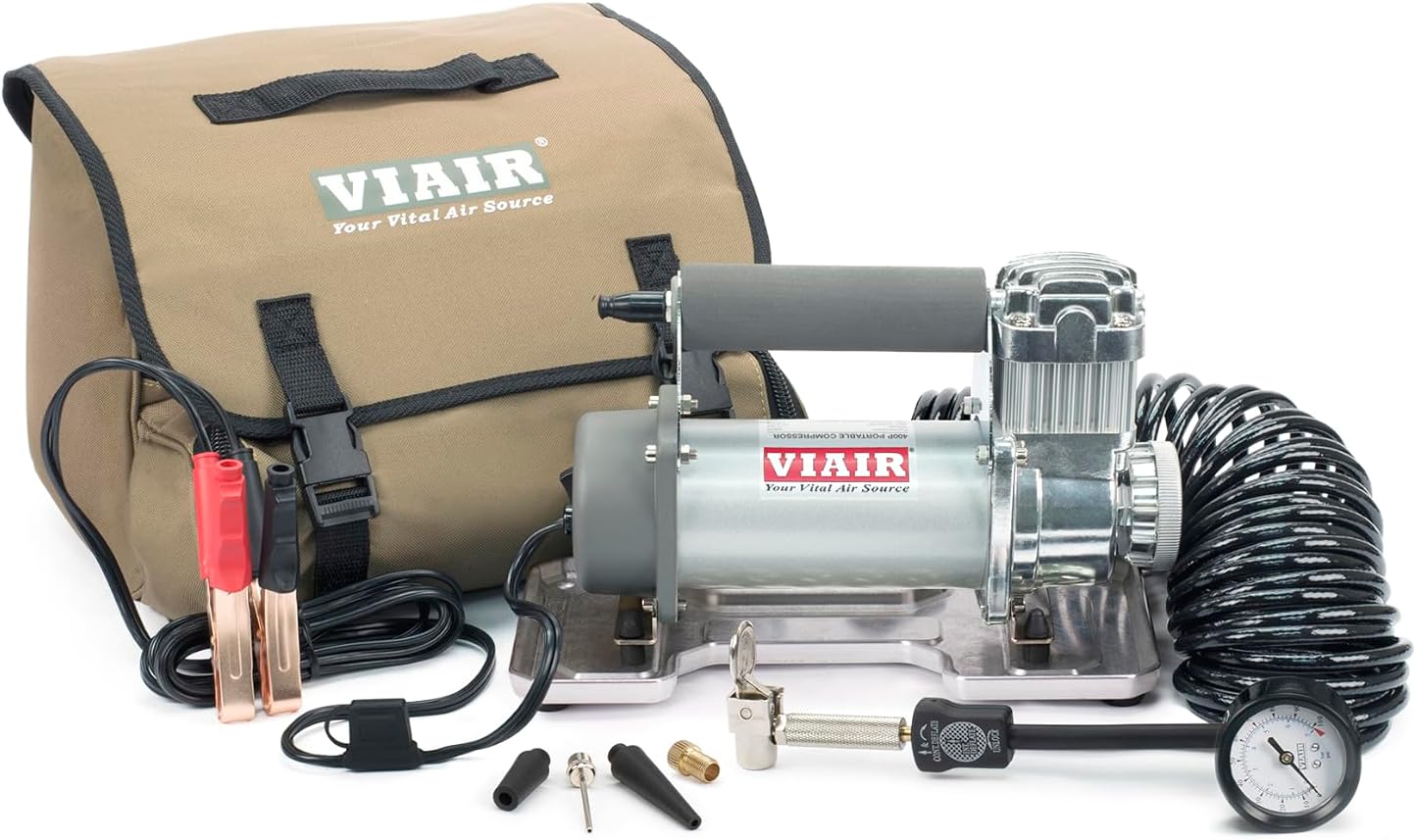
A portable compressor rounds out the kit. Airing down for trail traction is standard practice on anything technical, and airing back up for the drive home means you need a way to get the tires back to street pressure. The VIAIR 400P runs off a battery clamp and handles JK/JL/JT tire sizes without bogging down mid-fill the way lighter 12V units do.

COMPLETE THE KIT

Recovery gear for a doorless rig

The pieces that cover the scenarios your winch doesn't. Every link goes to Amazon.
See all recovery gear →

STRAIGHT ANSWERS

Winch rope FAQ.

Is synthetic winch rope actually safer than steel cable?
Yes, in the most relevant failure mode. Steel cable stores elastic energy under load and releases it when it parts, which can cause serious injury. Synthetic rope stores almost no elastic energy and drops when it breaks. Laying a recovery damper (a sandbag or mat placed over the rope mid-span) adds another layer of safety with either type, but synthetic is the safer baseline.
Does synthetic rope work with a hawse fairlead or a roller fairlead?
It works with both. Synthetic rope prefers a hawse fairlead (the flat aluminum oval most modern bumpers use) because the smooth surface doesn't have edges that can cut the braid. A roller fairlead works too but was designed for steel cable. If you're going synthetic, a hawse fairlead is the cleaner pairing.
How long does synthetic winch rope last?
Depends heavily on storage and UV exposure. A rope garaged between runs and inspected seasonally can go several years before needing replacement. One stored on a front bumper in full sun degrades faster. Inspect the outer jacket at the start of each season for fading, stiffness, cracking, or fraying, and replace it before it fails on the trail rather than after.
What size synthetic rope fits a Jeep Wrangler winch?
Check the winch manufacturer's rope diameter, length, and line rating for your exact model. Jeep winch specifications vary; for example, WARN's 10,000 lb VR EVO 10-S uses 3/8-inch x 90-foot synthetic rope. A rope's advertised breaking strength is not the winch's rated pulling capacity.
Can I just replace the rope, or do I need a new winch?
You can replace just the rope. Most synthetic rope kits include the rope, a forged or alloy hook, and a protective sleeve for the fairlead section. That's everything you need. The winch drum and motor stay where they are.
What is the difference between a winch rope and a kinetic recovery rope?
A winch rope connects to the winch drum and is how the winch pulls. A kinetic recovery rope is a separate piece of gear for vehicle-to-vehicle tow recoveries. Kinetic ropes use a stretchy nylon braid that stores energy in the pull and amplifies the extraction force. They are not interchangeable, and a well-sorted recovery kit has both.
Do I need traction boards if I already have a winch?
They solve different problems. A winch needs an anchor point to pull against. On open terrain with no trees, boulders, or a ground anchor, you can't use the winch for self-recovery. Traction boards work without any anchor, making them the faster option on soft-surface digs where there's nothing to attach to.
Does the YUNFUER synthetic rope fit a Jeep winch?
Do not assume so. The selected 1/4" x 50ft blue kit is listed for ATV and UTV use, and its advertised 10,000 lb rope strength does not establish fit with a 10,000 lb Jeep winch. Compare the diameter, length, and line rating with your winch manual before buying.

Recovery gear guidance for Jeep Wrangler and Gladiator owners. Ratings, load limits, and trail conditions vary. Check your winch manufacturer's spec and confirm all gear ratings before use in the field.

MAKE THE SWAP

Steel stays home.
Synthetic goes to the trail.

Pull the cable. Put in synthetic. Then sort the rest of the recovery kit so the winch isn't the only thing standing between you and a long walk out.