Top off.
Sunscreen on.
Pull the doors off a Wrangler or Gladiator and you've stripped out every scrap of factory shade: no door glass blocking the side sun, no A-pillar shadow across your arm, no tinted glass filtering UV. Here's how to stay livable in full summer heat — shade tops, UPF layers, hydration, and when to just shift your start time.
Three hours of doors-off driving in July in full sun is a forearm burn and a headache waiting to happen. The breeze masks how hard the sun is hitting — you don't feel hot, but you're baking. A little planning changes the math completely.
What doors-off actually does to your sun exposure
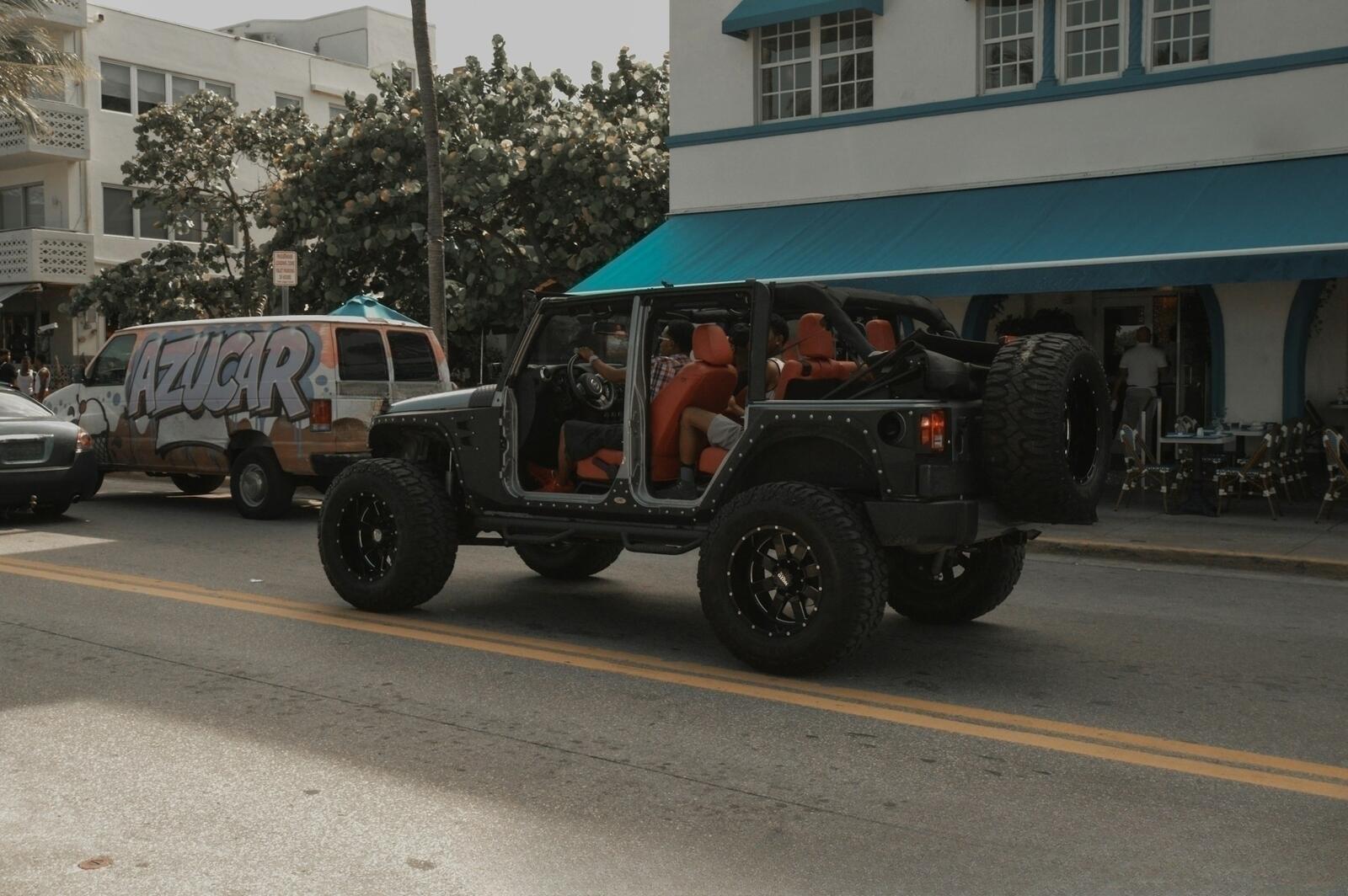
A factory Jeep door does more than you probably credit it for on a sunny day. The glass blocks a meaningful slice of UV on the driver's side. The A-pillar casts a shadow stripe across your left arm for most of a morning drive. The door panel creates a windbreak that reduces the angle of direct sun when you're moving slow or stopped.
Pull all of that and you're exposed from three directions at once: overhead, both sides, and reflected off the hood and any light-colored pavement. On a JL or JT with the hardtop panels out and no shade top, there's no overhead protection at all — you're in a moving convertible with nothing working in your favor.
The thing that makes this worse: speed creates a constant breeze that masks the radiant heat. You won't feel like you're overheating because the airflow keeps you comfortable. But UV load doesn't care how cool you feel. Forearm burns on a 3-hour July run are common for exactly this reason — the driver never felt hot, just ended the day red from wrist to elbow.
This is all solvable with a few deliberate gear decisions and a slight adjustment to how you frame the day.
Shade vs. airflow: sequencing it right
The instinct is to treat shade and airflow as opposites — top on for shade, top off for breeze. In practice, a shade top and an open cabin solve different problems and work best together.
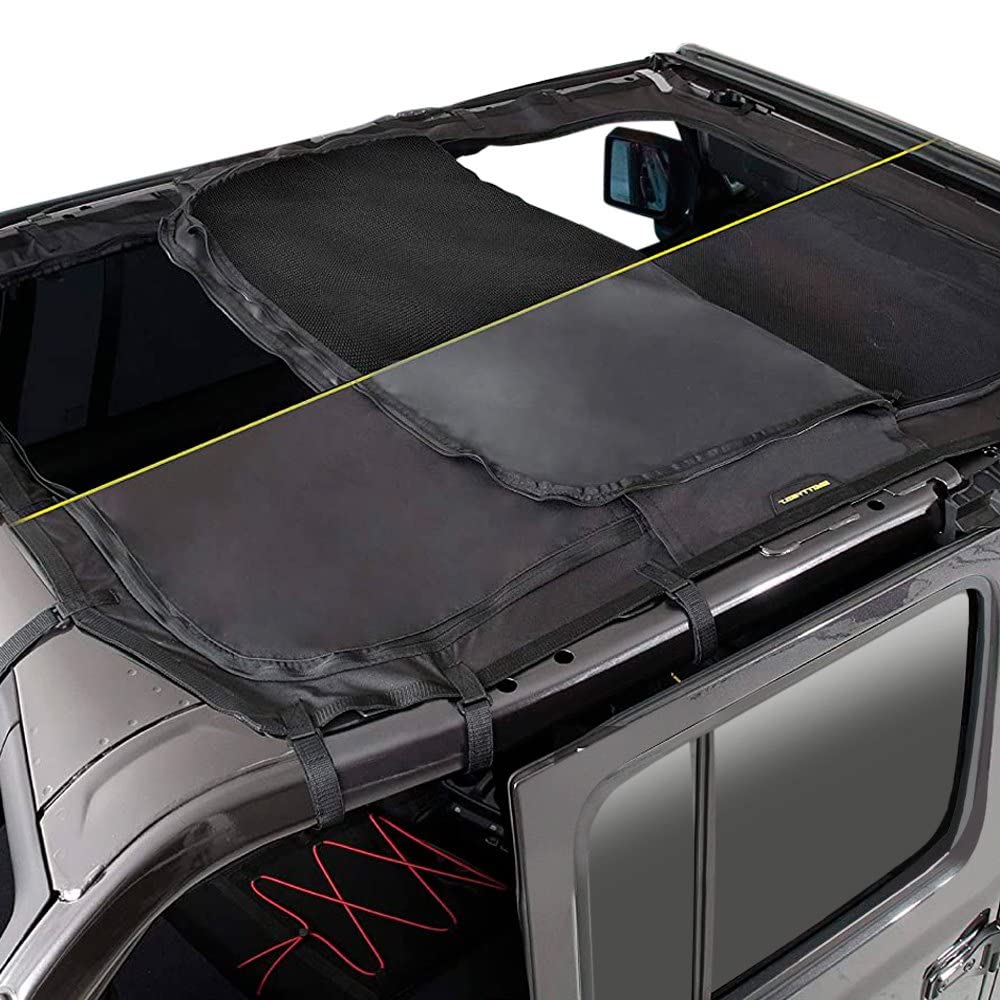
- Shade top + doors off: the peak summer sweet spot. You get overhead UV protection from the top while maximum cross-ventilation comes through the open sides. On a mesh shade top like the Smittybilt, air moves freely through the canopy — it doesn't trap heat.
- Full closed soft top + doors off: better than no top in direct sun, but watch for the oven effect when you're stopped or moving slow. Air movement through the open sides is your only ventilation.
- No top + doors off: maximum airflow, zero overhead protection. Fine for short runs or shaded trail driving. A full day in open desert or at the beach is where this combination catches up with you.
On the sun visor question: the factory sun visors mount in the doors and leave with them when the doors come off. Aftermarket windshield-frame sun visors exist for the JL and JT, but most are designed for parked situations — reducing cabin heat while stationary, not protecting the driver at highway speed. The overhead shade top is the functional answer for in-motion sun management.
Shade tops worth running
These fit JL and JLU. The Smittybilt Shade Top is built specifically for this job — mesh canopy, UV blocking, full airflow. The Sunrider and Voyager give you overhead cover you can partially open or deploy fast when the weather changes.
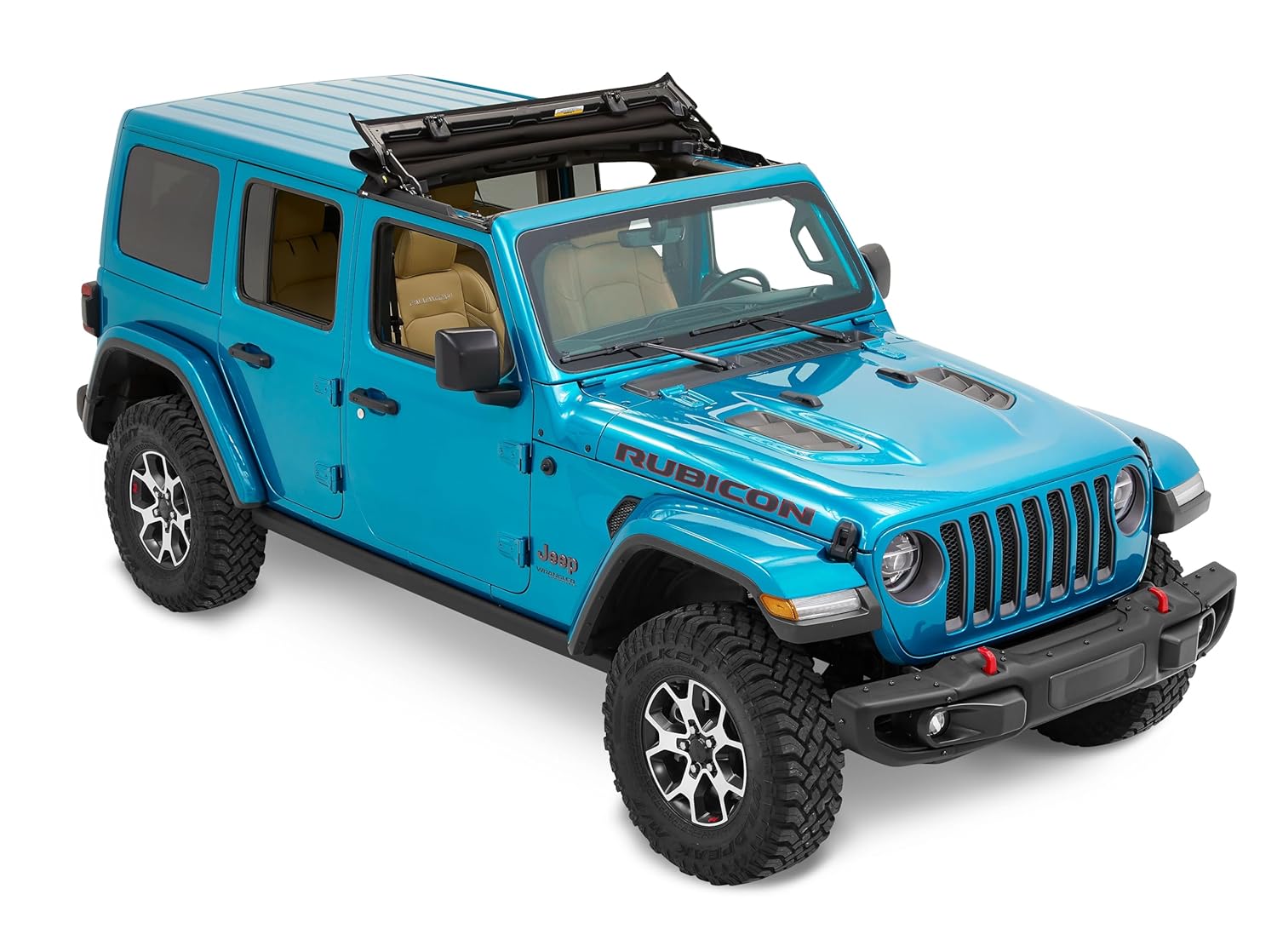
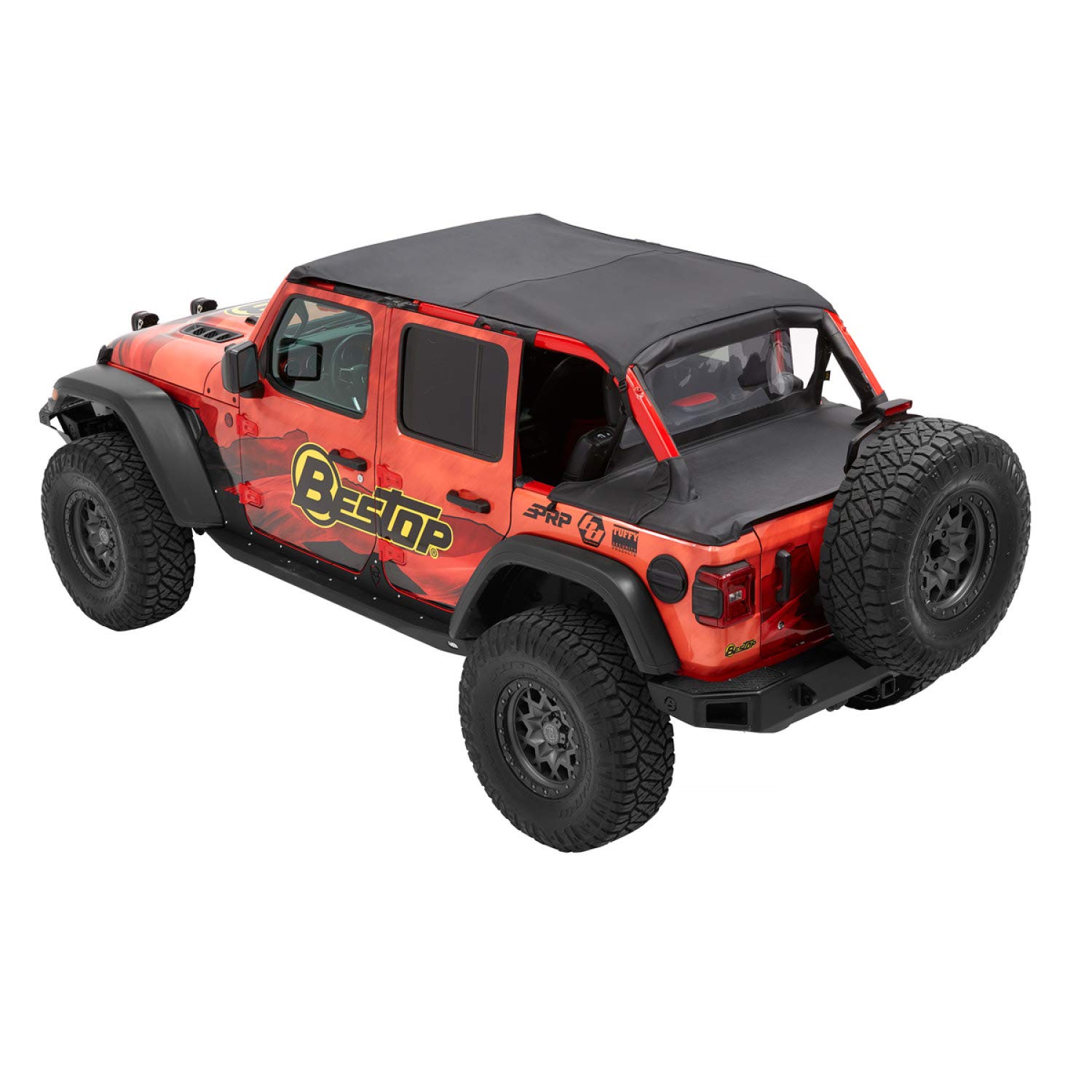
Bestop Sunrider for Hardtop

Rugged Ridge Voyager Frameless Soft Top
What to wear: UPF layers, hats, and SPF
Counterintuitive but true: a lightweight UPF-rated long sleeve cuts radiant sun more reliably than SPF 50 applied to bare arms. Sunscreen wears off in two hours and you have to remember to reapply. A UPF 50+ shirt doesn't. For a 4-hour run in full sun, the shirt wins.
- UPF long sleeve or sun hoodie: lightweight, moisture-wicking options feel cooler than a cotton tee in direct sun because they block radiant heat without trapping your own body heat the way a soaked cotton shirt does.
- Hat that stays on at speed: brim forward. At 55 mph with the doors off, a backward cap creates a scoop and either flies or jams the brim into your neck. A structured ball cap worn normally or a low-profile trucker hat works. Floppy sun hats don't.
- Polarized sunglasses: not optional at speed without door glass. UV exposure to your eyes is real, and glare off pavement increases significantly without the door glass angle cutting it. Confirm your state's eyewear rules before riding doorless at highway speed — requirements vary.
- SPF on hands: the backs of your hands get direct sun on the steering wheel for the entire drive. Easy to forget, easy to burn. Apply when you apply to your face.
The apparel argument isn't just about burn prevention — it's about sustained comfort. A driver who's appropriately dressed can run longer, stay sharper, and actually enjoy the miles instead of managing discomfort by the third hour.
Hats that won't fly
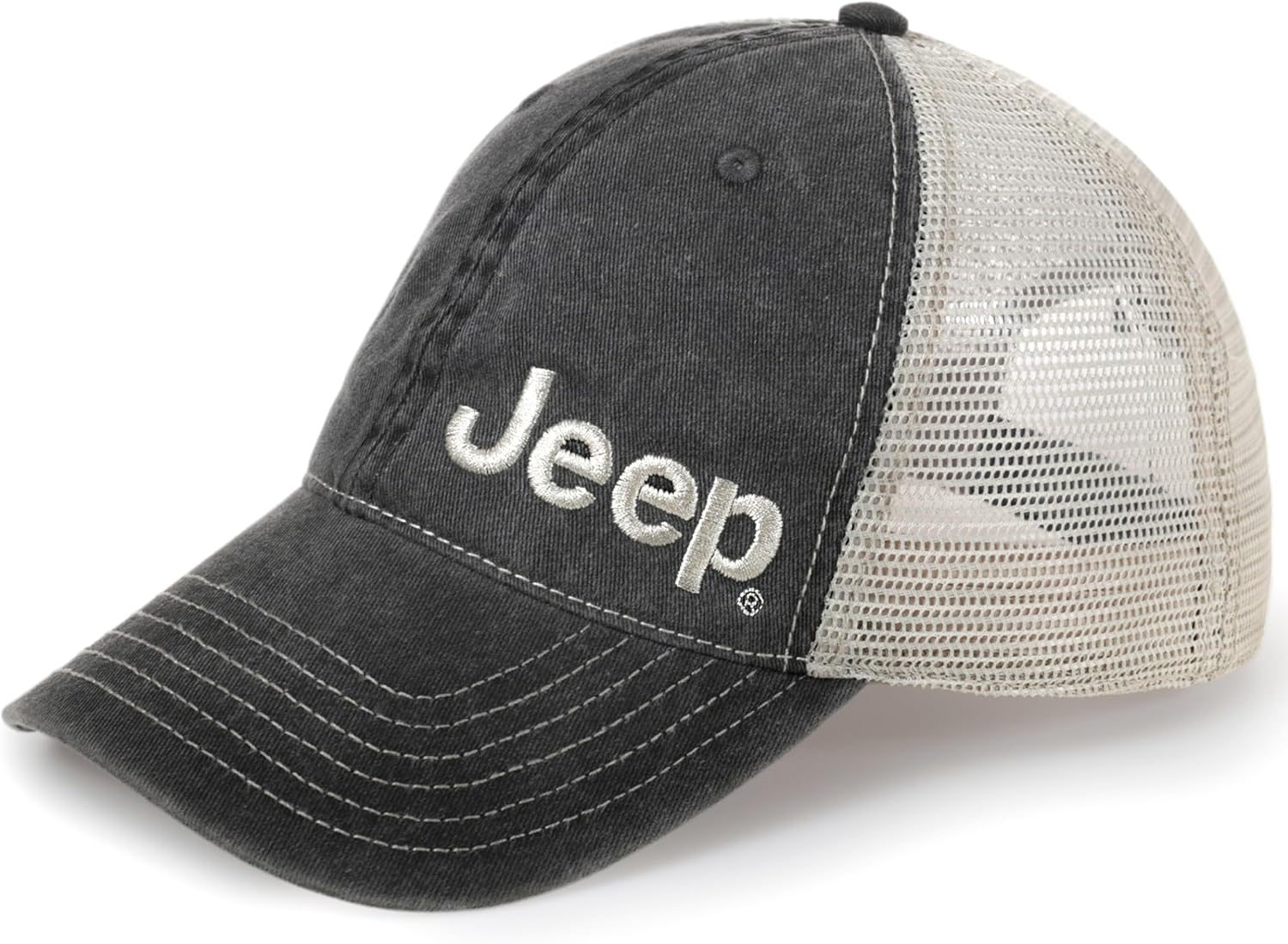
Structured trucker hats in Jeep-appropriate graphics. Worn forward, these stay put at highway speed and cover the forehead where the sun hits hardest. Pair with a UPF long sleeve and you've handled 80% of the sun problem before you leave the driveway.
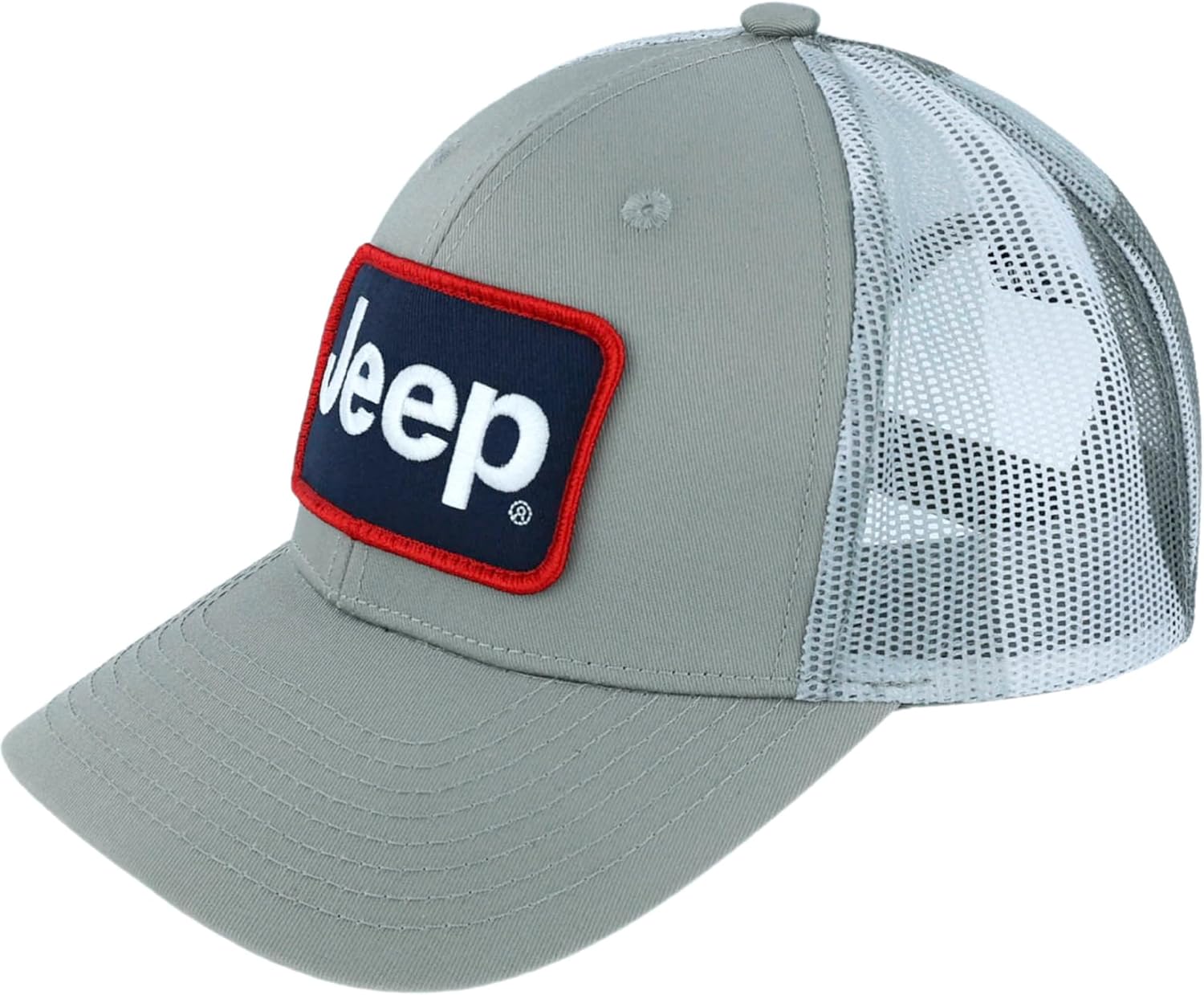
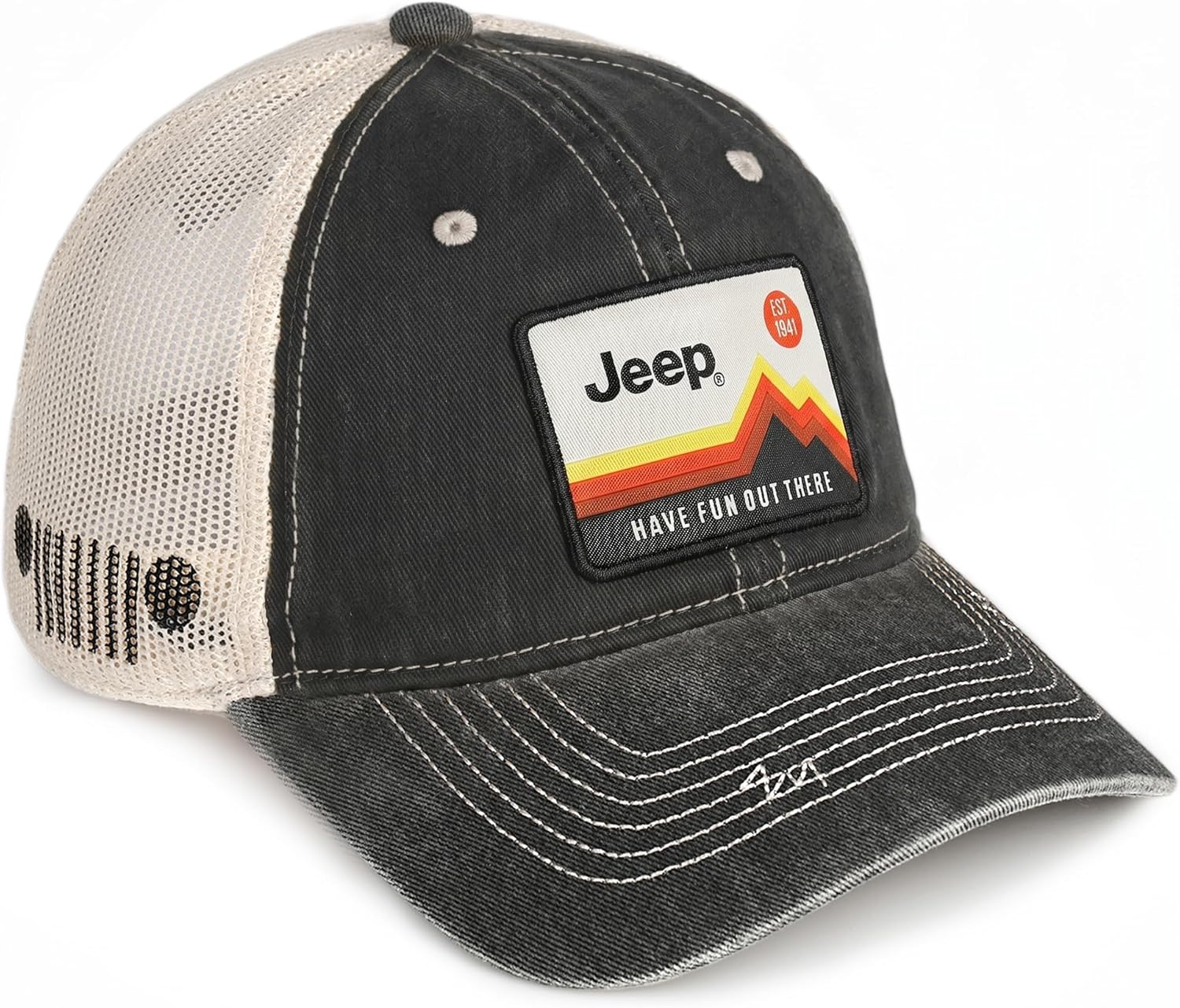
Jeep Patch Mesh-Back Trucker Hat

Jeep “Have Fun Out There” Trucker Hat

Jeep Text-Logo Washed Trucker Hat
Hydration in full sun
Doors-off driving in summer heat is sustained sun exposure without the passive temperature management a climate-controlled car provides. You're losing water faster than you think — the constant breeze makes it easy to underestimate. Budget for 2–3x the water you'd carry on a normal drive of the same length.
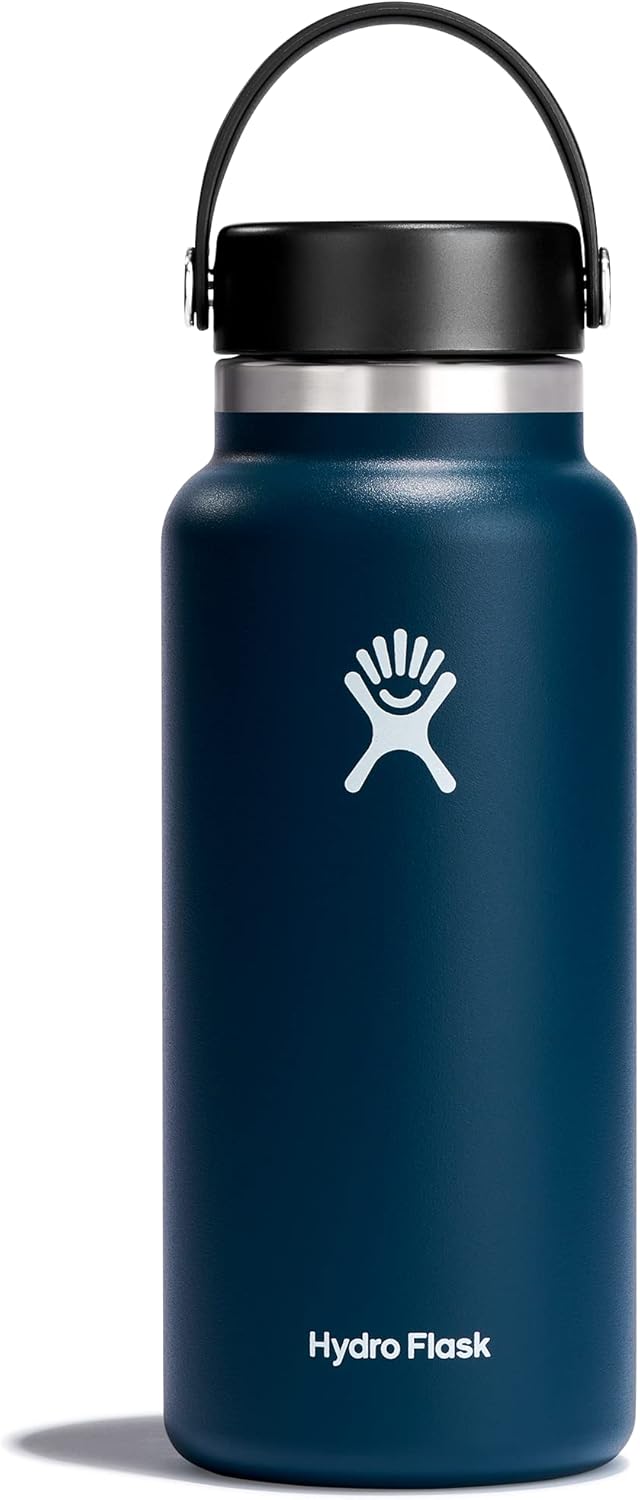
The practical math: a 32–40 oz insulated bottle that stays cold for 8+ hours is not a nice-to-have on a 4-hour summer run. It's infrastructure. A cup of gas-station ice water handles the first 45 minutes; after that it's warm liquid and you're either stopping again or not drinking enough.
Keep the bottle within reach while driving. If it's buried in a bag in the back, it doesn't exist.
Bottles that actually stay cold
Vacuum-insulated, large enough to matter, sized to fit the JL and JT cup holders. Fill with ice before you leave — these two stay cold through a full summer day in direct sun.
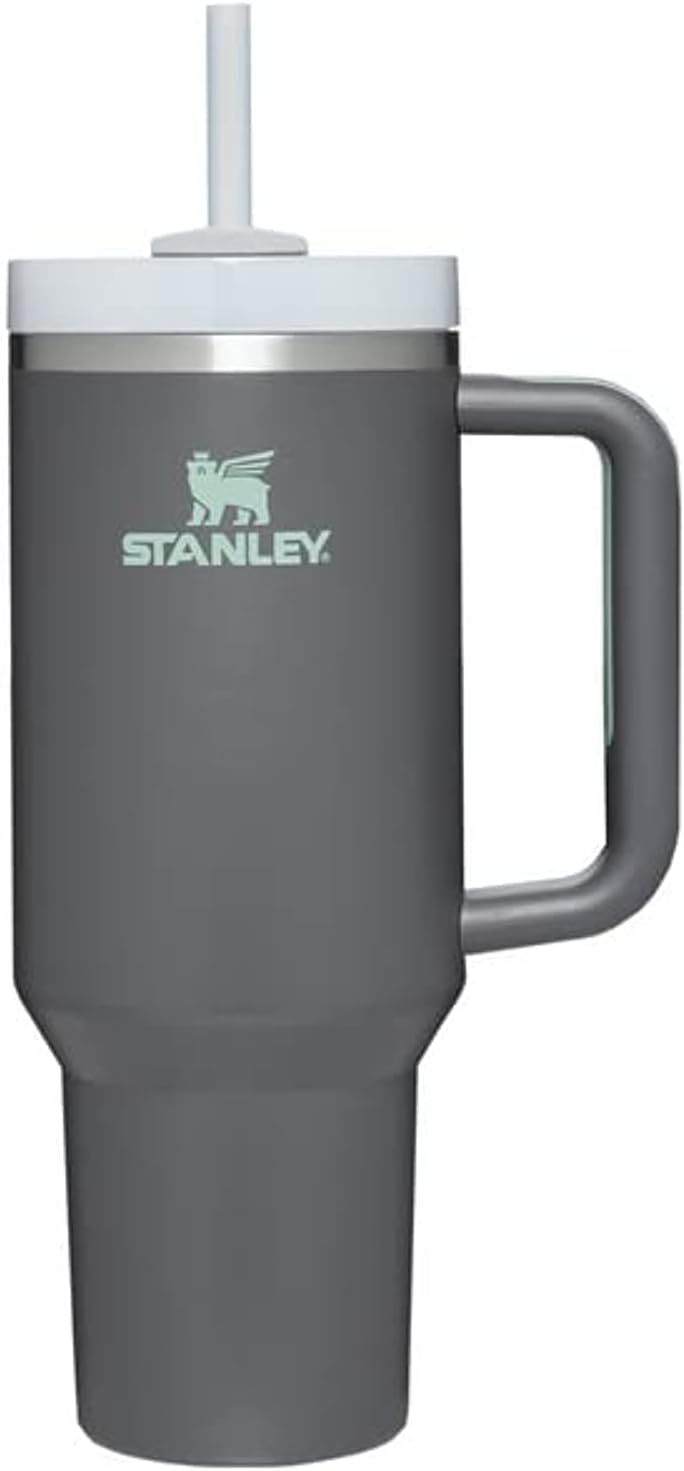
Stanley Quencher H2.0 FlowState 40 oz

Hydro Flask 32 oz Wide Mouth Bottle

The evening shift: the simplest sun management tool
The cleanest answer to the midday summer sun problem is timing. Peak UV index in the continental U.S. runs roughly 10am to 2pm. An early-morning start (out by 7am) or an evening start (trailhead by 4–5pm) cuts your UV load dramatically without changing a single piece of gear.
The evening option is the one most doors-off Jeep owners underuse. The light is better, temps drop fast after 5pm in most climates, trails are less crowded, and the photography is genuinely good. The tradeoff is obvious: you're going to run into dusk and possibly dark.
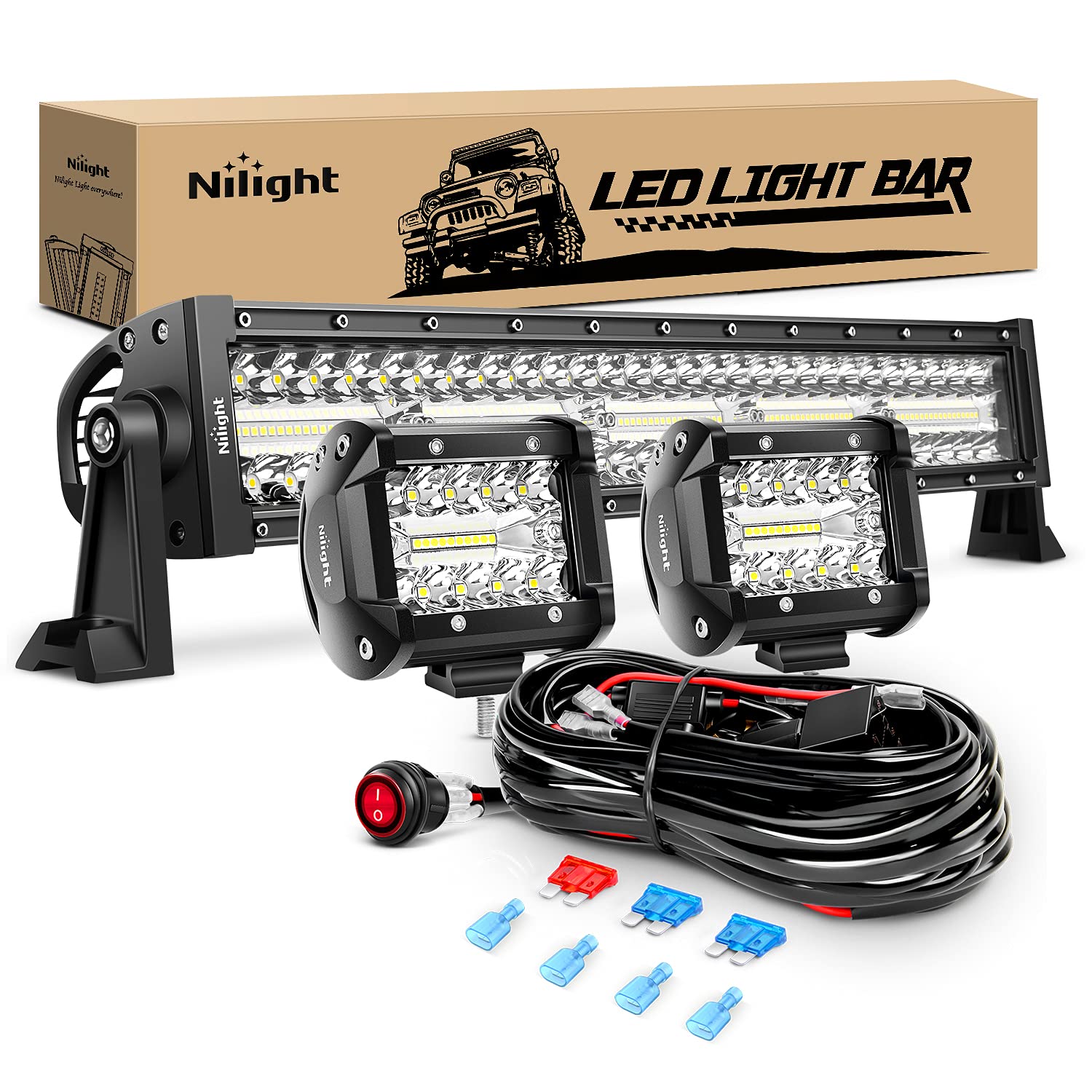
If you're running later, lighting becomes non-optional — not a cosmetic upgrade. On a trail at dusk without supplemental lighting, the JL and JT factory headlights underperform significantly against what aftermarket LED bars and pods deliver. The upside: the same gear that makes evening trail driving safe also makes early-morning pre-dawn starts work, which is the other common strategy in desert Southwest summer heat.
- LED pod pairs for A-pillar or hood ditch: close-range trail illumination that fills the gap the factory headlights leave in tight terrain.
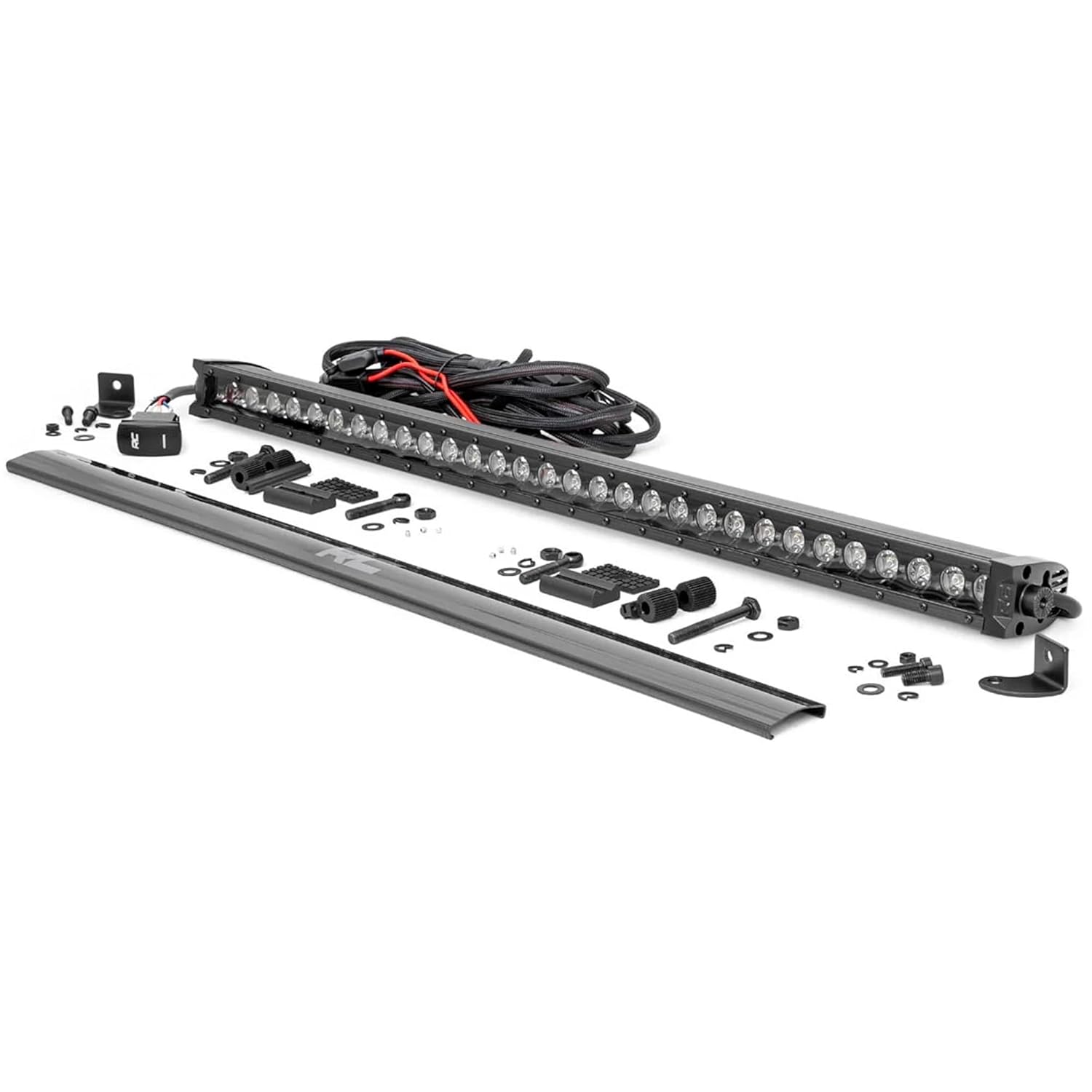
- LED light bar: longer throw for open roads and larger trail features — some JL and JT owners run these on the bumper or roof rack.
- DRL-integrated bars: legal for road use in most states; confirm your local rules on forward-facing auxiliary lights before running them on public roads.
A well-lit evening run in July is a different experience from the same trail at noon — cooler, quieter, more dramatic, and with the sun doing something useful (setting behind you) instead of hitting every exposed surface on the Jeep and the driver for hours.
Lighting for the evening shift
Evening runs dodge the worst summer UV and trade it for dramatic light. These cover the main lighting setups for JL and JT — from close-in trail pods to full LED bars that reach further than your factory headlights.
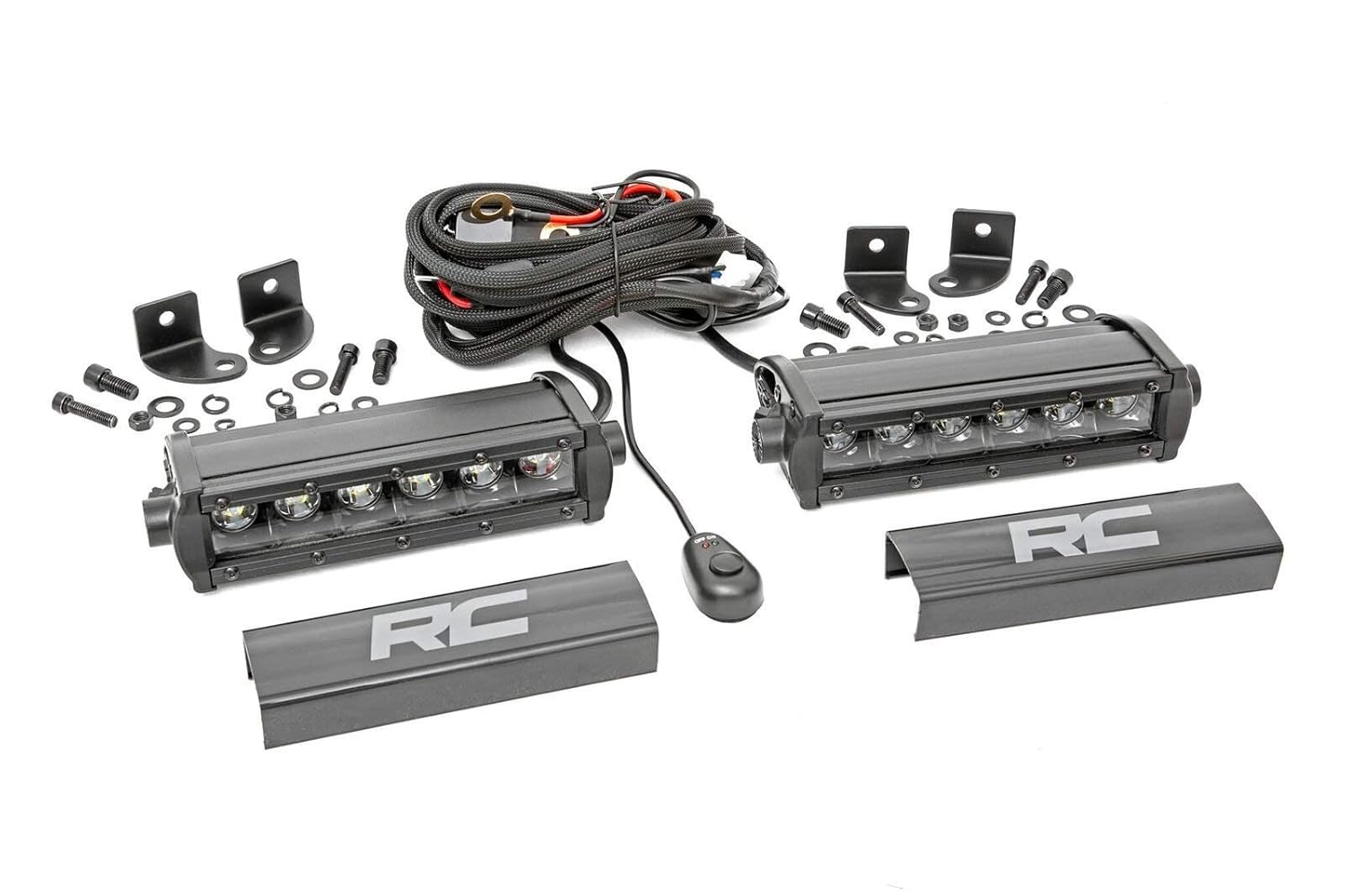
Rough Country 6" CREE LED Light Bar Pair

Rough Country 30" LED Bar with DRL

22" 480W Triple Row LED Bar + Pod Kit
Summer doors-off FAQ.
- Is it better to run a shade top or go fully open for airflow in summer heat?
- Both. The optimal summer setup is a shade top with the doors off. You get overhead UV protection from the top and maximum cross-ventilation from the open sides. A mesh shade top like the Smittybilt doesn't trap heat — air moves through the canopy while it blocks the direct sun above you. Fully open with no top is maximum airflow but zero overhead UV protection, which adds up fast on a long day.
- Does the Bestop Sunrider work as a shade top?
- Not exactly. The Sunrider is a full soft top with a fold-back front section. It gives you overhead cover and can be partially open for ventilation, but it's not a mesh shade top — it blocks more air than a dedicated shade top lets through. If overhead UV protection is the primary goal, the Smittybilt Shade Top is purpose-built for it. The Sunrider is a more versatile all-weather top that happens to open up.
- What should I wear driving doors-off in the summer sun?
- A UPF-rated long sleeve or sun hoodie is more reliable than sunscreen alone — it doesn't wear off and you don't have to remember to reapply every two hours. Pair it with a structured hat worn brim-forward (so it stays on at speed), polarized sunglasses, and SPF on your hands and any exposed face and neck. It sounds like a full checklist, but it's a one-time setup that lets you run all day without managing sun exposure constantly.
- How much water should I bring on a summer doors-off run?
- Budget 2–3x what you'd normally bring in a climate-controlled car for the same drive length. The constant airflow makes you feel cooler than you are, which makes it easy to not drink enough. A 40 oz insulated bottle that stays cold all day is the baseline for a half-day summer run. Longer day or desert heat: bring more and plan water stops.
- Will my hat fly off at highway speed?
- Backward caps will, eventually. At 55–65 mph with no doors, a backward ball cap acts like a scoop and either flies or jams the brim into your neck. Worn normally (brim forward), a structured ball cap or trucker hat stays put. Floppy-brim sun hats don't work at speed regardless of direction.
- What's the best time of day to run doors-off in summer?
- Early morning (out by 7am) or late afternoon into evening (4–5pm start). Peak UV index runs roughly 10am–2pm across most of the U.S. Both timing options dodge the worst of it. Evening runs have the added bonus of better light and cooler temps that drop fast after 5pm — the tradeoff is you'll run later into dusk, so lighting needs to be sorted first.
- Do I need different lighting for evening trail runs?
- Yes, meaningfully. The JL and JT factory headlights are sized for road use, not off-road terrain at dusk. A pair of LED pods for close-in fill light and a forward-facing light bar for distance reach make evening trail driving genuinely practical. Confirm your local rules on forward-facing auxiliary lights before running them on public roads.
- Are there equipment rules for doorless driving I should know about?
- Rules vary by state. Most don't specifically regulate doorless driving for standard passenger vehicles, but some have provisions about eye protection at certain speeds, and local parks or trail systems may add their own requirements. Confirm your state's vehicle code and any rules specific to your route before going doors-off at highway speed. We're enthusiasts, not lawyers.
General guidance for Jeep Wrangler and Gladiator owners, not safety, medical, or legal advice. Sun exposure risk, hydration needs, and local equipment laws vary — confirm your own conditions and your state's vehicle code before you go.
Top off.
Burn optional.
Shade top on, doors off, water cold, start time early or late. Check the forecast for the daily call — it scores the week against your own limits and keeps nothing on our end.