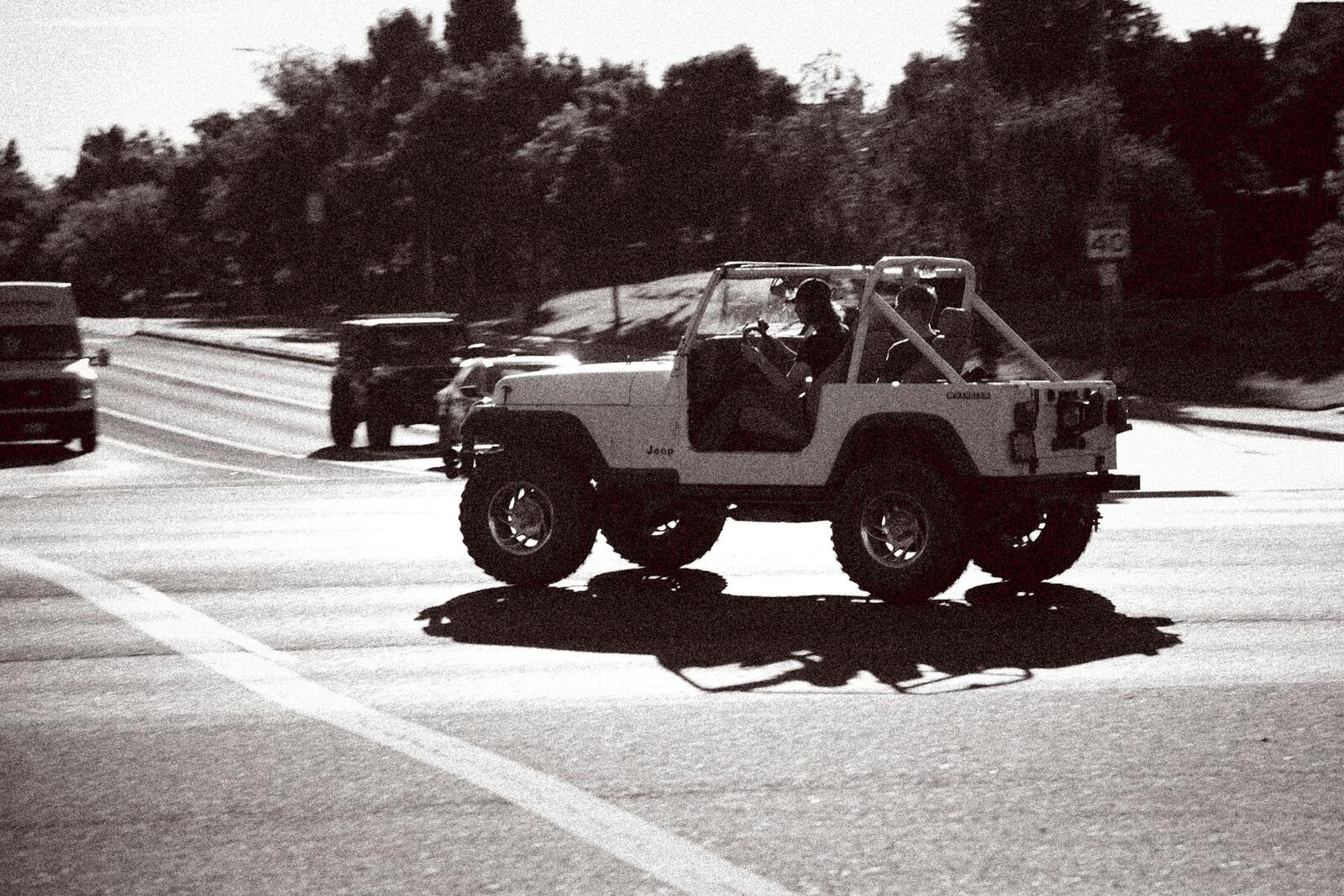
NOCO GENIUS5 Smart Battery Charger
Check price on Amazon
Buy →The first topless run of the year doesn't have to mean a dead battery in the driveway, a slow tire on the trail, or a seized hinge bolt that strips when you torque it. Run this list once every spring and none of those happen.
Jeep doors are not plug-and-play. After a winter in the garage, your battery, your tires, and your hinge hardware all need a look before you start pulling bolts. This checklist covers the five things worth doing before the first doors-off run of the season, with the gear that makes each step faster.
A lead-acid battery sitting unused for three or four months in a cold garage can drop below the threshold where a standard alternator can recover it. Charge it first, then load-test it before the first real run. A battery that reads 12.6V sitting still may still fail under the current draw of a starter motor, a winch controller, or an aftermarket stereo. Load-testing applies a current draw similar to what cranking pulls and tells you whether the battery can actually deliver.
The NOCO GENIUS5 does both: a multi-stage smart charger that desulfates a sulfated battery and brings it to full charge without overcharging, plus a repair mode for borderline cells. If the battery is over four years old and load-tests weak, spring is the right time to replace it, before the trail, not on it.
On JK, JL, and JT models, the battery sits under the hood on the driver's side and is accessible without removing anything. Disconnect negative first, check the terminals for corrosion (white or blue powder), clean them with a wire brush if needed, reconnect, and charge.
The two things most likely to cause a problem before you even reach the trail. Both link to Amazon.
Winter temperature swings drop tire pressure, roughly 1 to 2 PSI for every 10-degree Fahrenheit drop in ambient temperature. If you put the Jeep away in October at 35 PSI and the garage averaged 35°F over the winter, you may be pulling it out at 30 PSI or lower. Check cold pressure before driving anywhere, and compare it against the placard on the driver's door jamb, not the max PSI molded into the tire sidewall. Those are different numbers and the sidewall number is not the one you want.
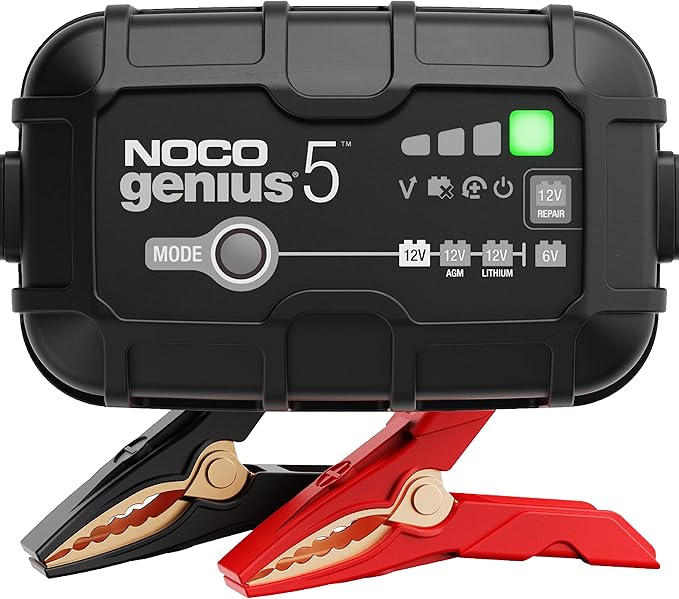
Once pressure is confirmed at the right baseline for street use, airing down for trail or beach driving is a separate decision. Most Wrangler and Gladiator owners run 18-22 PSI on packed dirt and loose surfaces, lower on sand. The VIAIR 400P runs off a cigarette lighter socket and gets you back to street pressure fast enough that it doesn't eat your trailhead time.
Also check tire condition while you're at it: sidewall cracking from UV exposure over the winter, any flat-spotted feel from sitting in one position for months, and tread depth. If you went off pavement at all last season, inspect the sidewalls for cuts that may have been shrugged off at the time.
Door hinges on a Wrangler or Gladiator sit exposed to road grime, water, and salt year-round. When the doors come off for the season, those hinges stay on the Jeep and get even more direct exposure. Before the first removal of the year, inspect the hinge pins and bolts.
On the JK, each door runs on two hinges with hinge pin bolts that are known for seizing in place. If you can't get them to break free by hand, apply penetrating oil (not WD-40) and give it 15 minutes before trying again. Forcing a seized pin strips the bolt head, which is a worse problem to solve than a slow start to the season.
On the JL and JT, the hinge design is more forgiving, but the same principle applies: spray the hinge pin areas with a dry lubricant or white lithium grease before reinstalling the doors, and again when you pull them for the season. A hinge that gets lube once a year stays smooth. One that gets skipped seizes, usually at a bad time.
The door storage question is a separate problem covered in its own guide. The hardware question comes first. A door stored with dry, corroded hinge bolts is going to fight you every reinstall for the rest of the season.
Going doors-off removes a major UV shield from your dashboard, seats, and door-side grab handles. Most Wrangler and Gladiator interiors use a mix of textured hard plastic, vinyl, and fabric. All of them take more UV damage over a summer of doors-off driving than they would with the doors closed, and the damage shows up slowly enough that you don't notice until the fading is already done.
Before the first run, wipe down the dash, center console, seat bolsters, and the exposed sill areas with a UV protectant made for automotive interior plastics. Apply it, let it haze slightly, and buff off the residue. It won't make already-faded plastic look new, but it slows the fade for everything that's still in good shape.
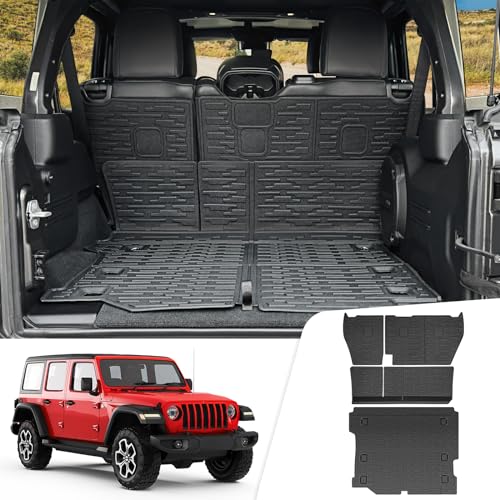
While you're in there: shake out or vacuum the cargo area, check that the floor drain plugs are seated (they pull out for hosing down the interior and sometimes don't get replaced), and confirm any cargo management gear is secured. A loose organizer sliding around is annoying on the street and worse on a rocky trail.
Liner, organizer, and a rear storage bin for the exposed cabin. All via Amazon.


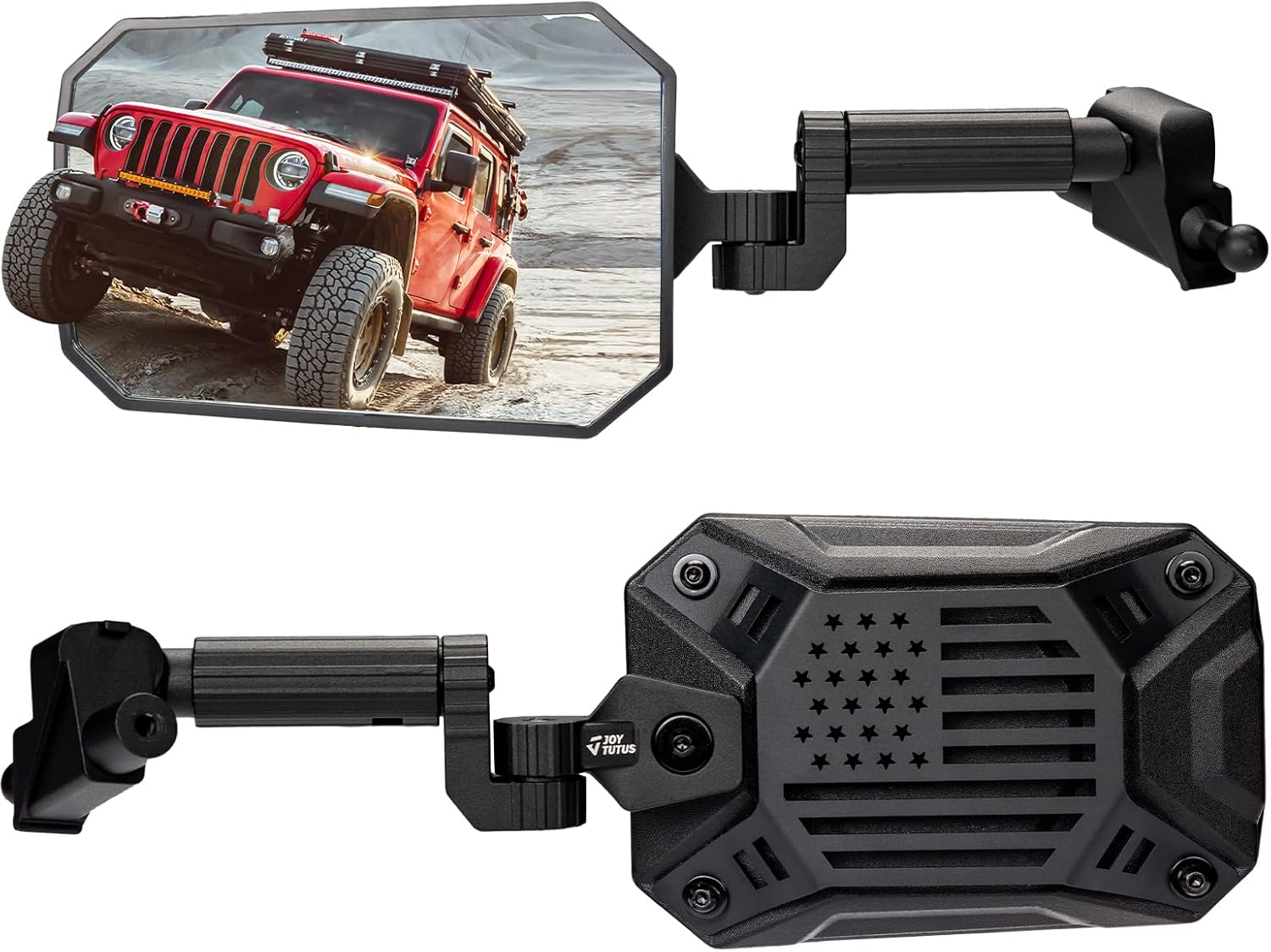
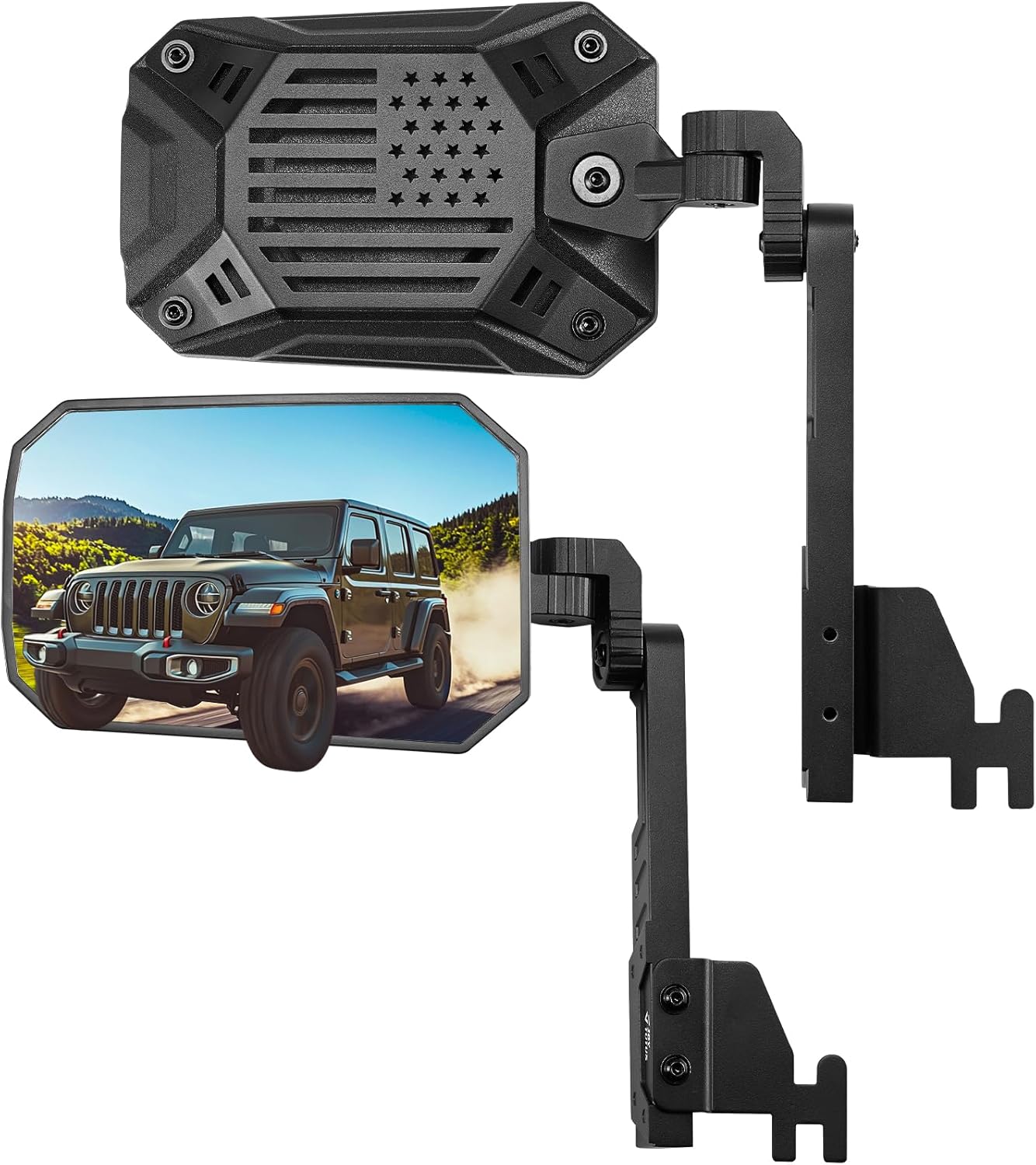
Every JK, JL, and JT has its factory side mirrors bolted to the doors, not to the body. When the doors come off, the mirrors go with them. In most states that means you're now missing legally required equipment. Spring is the right time to confirm you have a doors-off mirror solution sorted before you need it on the road.
Hinge-mount mirrors clamp to the exposed hinges where the doors used to bolt and put the mirror roughly where you'd expect it. A-pillar mirrors bolt to the windshield frame and stay on the Jeep regardless of door status. Quick-release versions of both let you pop the mirror head on and off in seconds, so you keep your aim dialed without re-adjusting from scratch every time you pull the doors. For the full breakdown on mirror types, fitment by model year, and the state-by-state legal requirements, see the doors-off mirrors guide.
Hinge-mount and quick-release setups that keep you legal once the factory mirrors go with the doors.

General guidance for Wrangler and Gladiator owners, not professional mechanical or legal advice. State vehicle equipment laws vary and change, so confirm your local rules before driving doors-off. Tire pressure specs are determined by your vehicle's door-jamb placard, not by the sidewall marking.
Run the list once, stop delaying the first ride of the season. The forecast calls the week so you don't end up prepped on a rain day.