As an Amazon Associate we earn from qualifying purchases. Every buy button leads to Amazon.As an Amazon Associate we earn from qualifying purchases.Full disclosure →Disclosure →
GUIDE / SOFT TOP CARE

The zipper quits
before the top does.

A soft top can outlast a Jeep if you treat it right. Most don't make it five years because owners skip the ten-minute maintenance loop that separates a zipper that still works at year eight from one that jams at year three and tears at year four.

PART OF THE TOPS & WEATHER SHELFSee all 6 guides →

The expensive part of soft top failure is never the fabric. It's the window scratch you can't undo, the zipper slider you forced when it felt sticky, and the vinyl that cracked because it never saw a conditioner. Twenty minutes twice a year handles all three.

Why zippers fail before the fabric does

Soft top fabric is tough. Modern canvas and sailcloth weaves are UV-stable, tear-resistant, and built to take weather for years. The zipper is none of those things.

The failure loop starts with grit in the teeth. Trail dust and road grime pack into the coil and abrade the slider with every pass. Add UV exposure, which dries out the zipper tape and the surrounding vinyl, and you get a slider that binds instead of gliding. Most zipper failures don't come from the zipper wearing out cleanly. They come from forcing a sticky slider until the tape blows out, or from running petroleum-based lubricant into grit-packed teeth and cementing it in place.

The fix is short: clean the teeth before you lube them, use the right lubricant, and don't muscle a zipper that won't move.

Cleaning the windows without hazing them

Polycarbonate and vinyl windows scratch and cloud fast. The two things that wreck them most are ammonia (Windex and most household glass cleaners) and dry wiping. Both leave a hazy, microscratched surface that polishing only partially recovers.

The right sequence:

  1. Rinse first with clean water to float grit off the surface. Never wipe a dry window.
  2. Apply a plastic cleaner like Plexus or 303 Plastic Cleaner to a damp microfiber. Let it sit for fifteen seconds.
  3. Wipe with light, overlapping passes. No pressure. A clean microfiber on wet plastic scratches less than a dirty one on wet plastic.
  4. For existing haze or light scratches: a plastic polish like Novus #2 or Meguiar's PlastX can restore significant clarity. Work in small sections and buff off before it dries.

If the window is badly crazed or has deep scratches, a replacement panel is usually cheaper than chasing a perfect polish. Most replacement window panels for common JL and JT tops vary by model.

THE TOPS THESE TIPS ARE WRITTEN FOR

Soft tops worth taking care of

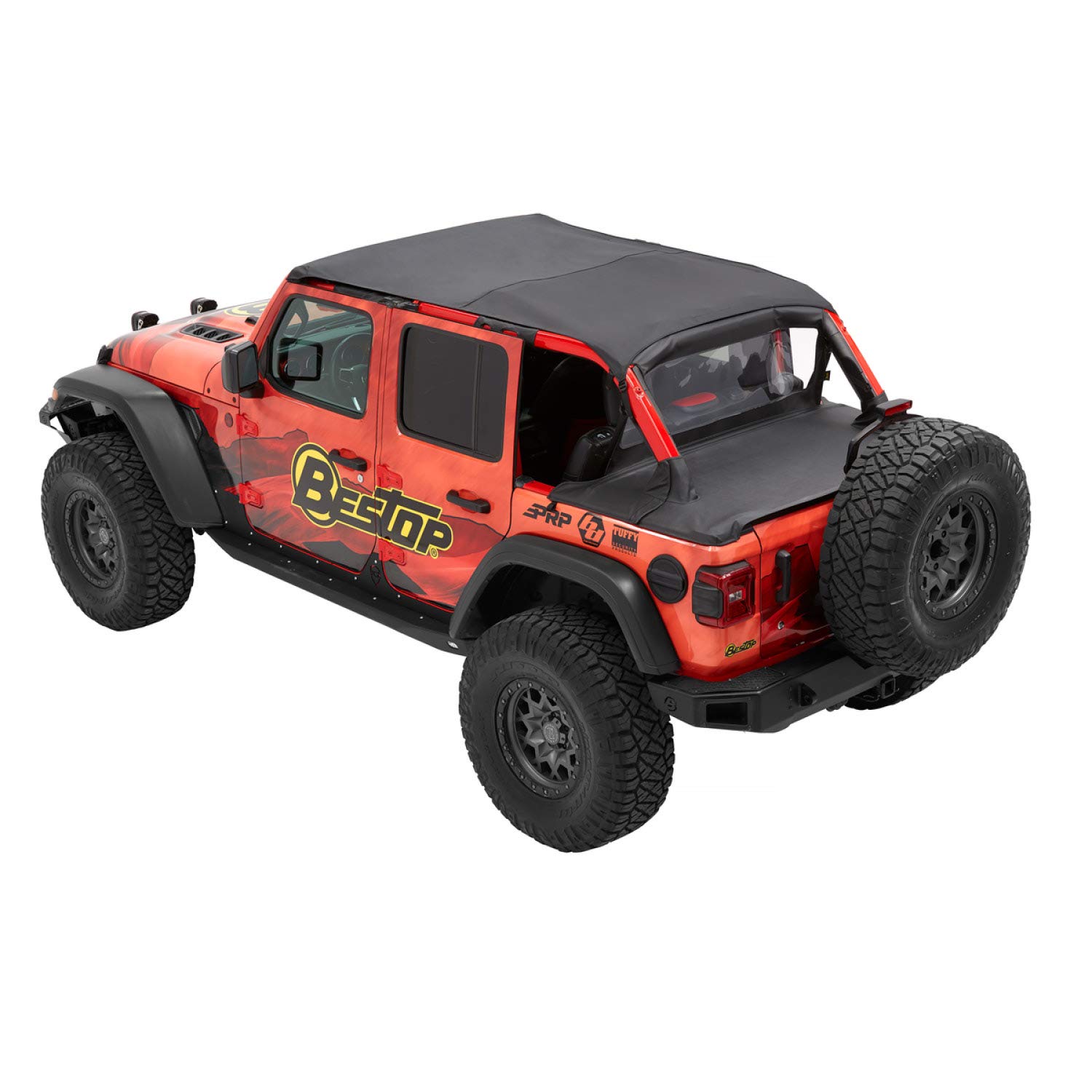
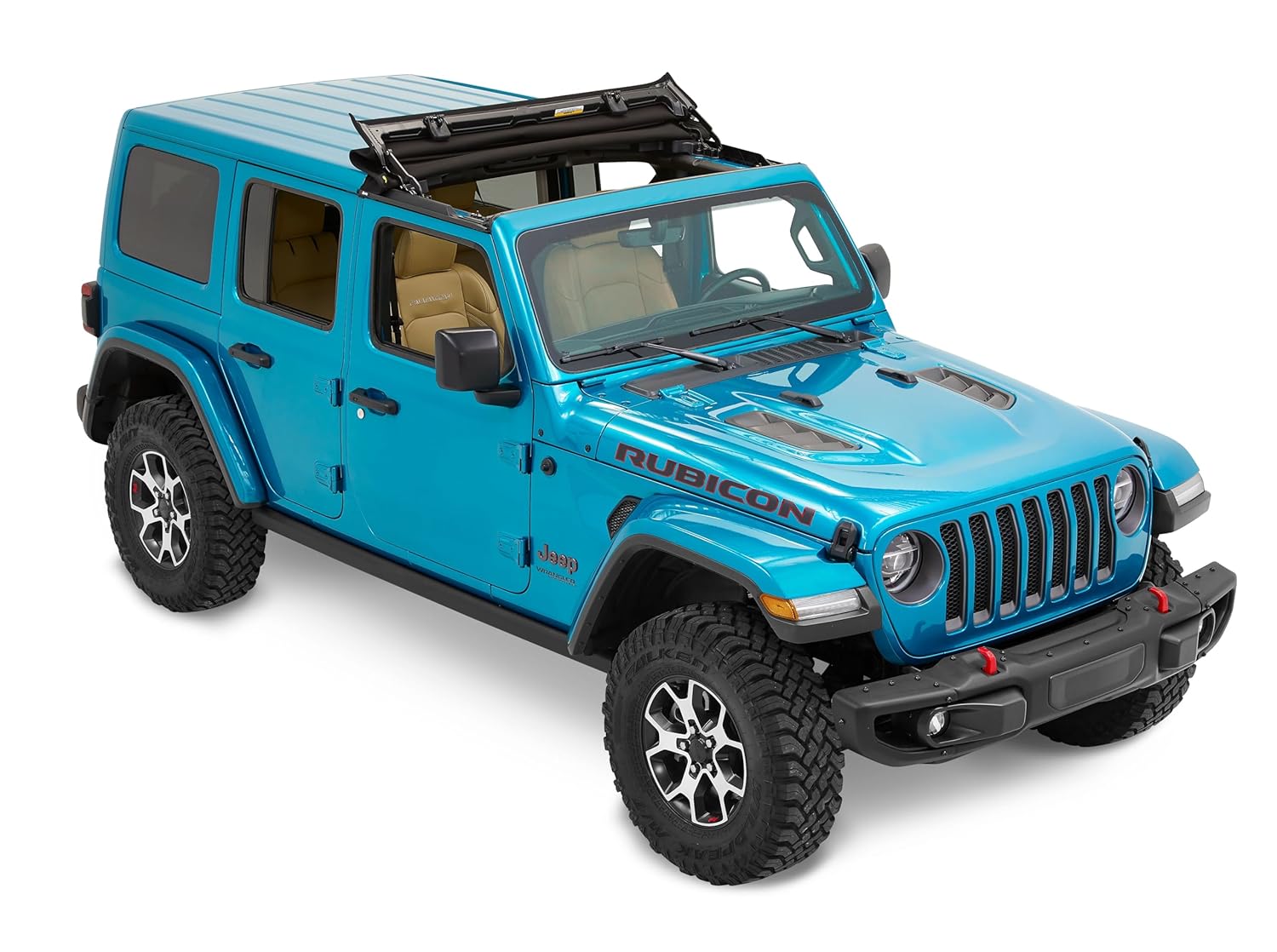
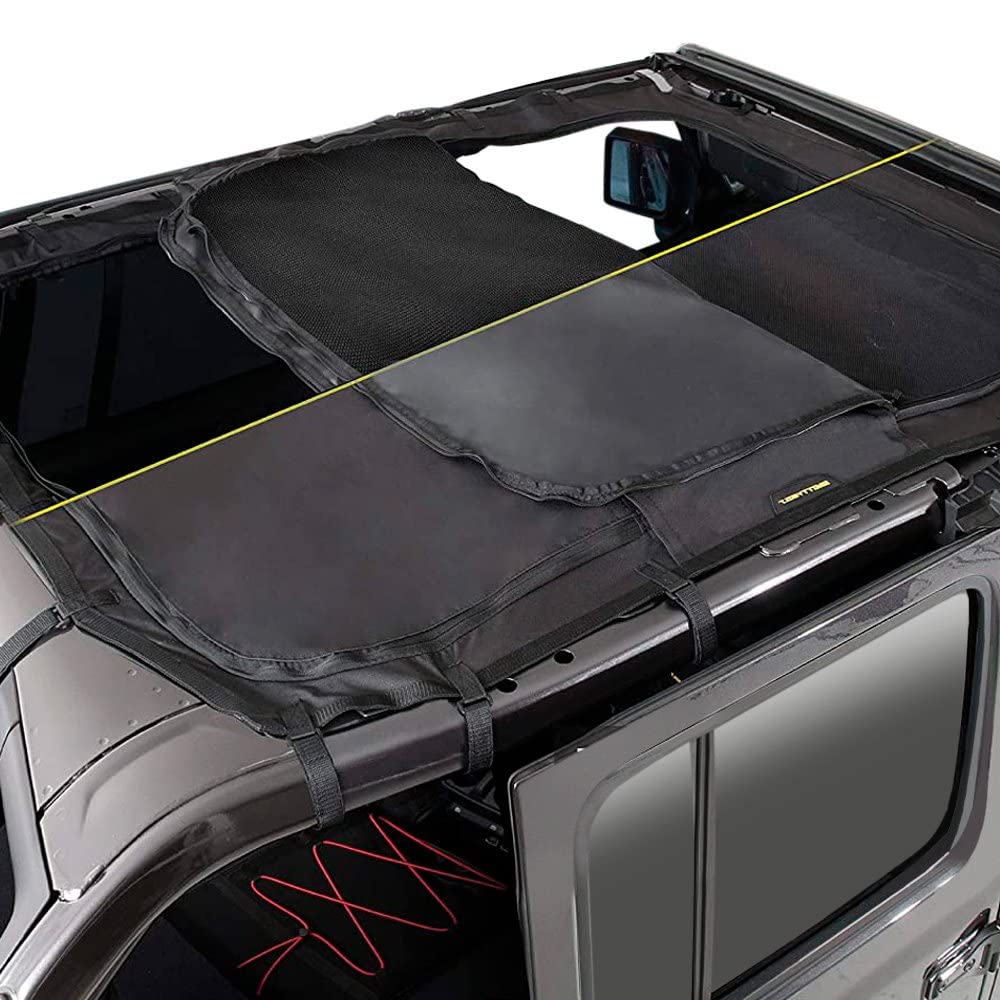
The three tops in the catalog this guide covers. Every link goes to Amazon.
See all soft tops →

What to use on the zipper (and what to skip)

What works: beeswax sticks (Zipper-Ease and similar), dry Teflon spray, and dedicated products like Bestop Zip Care or 303 Zipper Conditioner. These lubricate without leaving an oily film that grabs grit.

What kills nylon zipper tape:

  • WD-40. It's a solvent and water displacer, not a lubricant. The petroleum base attacks nylon tape over time and the solvent washes out the tape's protective finish.
  • Silicone spray. It works initially, then leaves a tacky film that collects trail dust. You're trading a smooth zipper this week for a grit-packed one next month.
  • Petroleum jelly and lip balm. Same problem as silicone: grabs dirt, packs it in against the teeth.

Apply lubricant to clean, dry teeth. Run the slider back and forth four or five times to work it in. If the zipper skips teeth under light pressure, the slider is worn and needs replacing before it rips teeth off the tape. A replacement slider costs a few dollars and installs with pliers in about five minutes.

Conditioning canvas and vinyl

303 Aerospace Protectant is the near-universal recommendation for soft top fabric. It's UV-blocking, doesn't clog the weave, and won't leave an oil residue that kills water beading. Apply it to clean, dry fabric, work it in with a soft cloth, and let it cure before the top gets wet.

Two things to skip on fabric: car wax and silicone-based dressings. Wax fills the weave and kills water repellency. Silicone dressings do the same damage with fewer warning signs.

For vinyl windows specifically: 303 Clear Vinyl Protectant or Plexus. Never use 303 Aerospace on clear windows. The fabric formula has a UV-filter load that clouds polycarbonate over time.

For the rubber seals and trim around the window frames: a vinyl and rubber conditioner keeps them pliable and slows the cracking that lets water track in behind the glass.

Jeep Wrangler soft top in direct sun on a desert trail
UV is the main enemy. Two treatments a year keeps the fabric ahead of it.

What your specific top needs

The basics above apply to all three, but each top has a specific spot to watch:

  • Bestop Sunrider for Hardtop. The panels are coated vinyl, and they fold back and compress against each other every time you open the top. That puts stress on the fold crease. Inspect it once a year for early cracking and hit it with vinyl conditioner before it opens up. The panel-to-frame seals are rubber and dry out in UV fast.
  • Smittybilt Extended Shade Top. The Black Diamond fabric is rugged and the mesh panels don't accumulate standing water, so the maintenance loop is lighter than a full weatherproof top. The main care item is the nylon webbing that tensions the top. It degrades with UV. Treat it with 303 at least once a season. No polycarbonate windows means one less thing to scratch.
  • Rugged Ridge Voyager Fastback. The 30 oz. sailcloth holds up well. The care target is the tinted side windows and their self-correcting zipper runs. Those zippers sit at the door opening and take every splash and trail kick. Keep them clean and lubed, and pull the windows out of the overhead storage pocket periodically rather than leaving them compressed against each other for months.

When to do what

Two full sessions a year handles it for most rigs. Spring before peak UV, fall before rain season. Everything else is spot maintenance.

  • Spring deep clean: full window clean, zipper clean and lube, 303 the fabric, condition vinyl seals and trim, inspect the fold crease on fold-back panels.
  • Monthly during season: rinse windows after muddy days, check the zipper if it moved more than usual. Five minutes.
  • Fall deep clean: repeat the spring routine. If you're pulling the top for winter storage, fold it as loosely as the bag allows and store it indoors. A top compressed in a cold garage for six months develops permanent crease stress.
  • Before any storage period: never put a damp top away. Moisture trapped against vinyl in the dark grows mildew that etches the surface and attacks the stitching before spring arrives.
STRAIGHT ANSWERS

Soft top care FAQ.

What's the best lubricant for soft top zippers?
Beeswax-based sticks (like Zipper-Ease), dry Teflon spray, or a dedicated product like Bestop Zip Care or 303 Zipper Conditioner. All of these lubricate without leaving an oily film that attracts and packs in grit. Avoid WD-40 (attacks nylon tape), silicone spray (sticky residue that collects trail dust), and petroleum jelly.
Can I use Windex to clean my soft top windows?
No. Windex and most household glass cleaners contain ammonia, which clouds and crazes polycarbonate and vinyl windows. Use a dedicated plastic cleaner like Plexus or 303 Plastic Cleaner on a damp microfiber instead, and always rinse the surface first to float grit off before any wiping.
How often should I condition my soft top?
Twice a year as a minimum: a full clean-and-condition in spring before peak UV season, and again in fall before rain season. If you're in a high-sun climate or run the top folded back regularly, a third treatment in midsummer is reasonable. The zipper gets a lube check any time it starts to feel sticky.
My zipper skips teeth under light pressure. Can I fix it?
Usually yes. Skipping under light pressure almost always means the slider is worn and its gap has opened up. A replacement slider costs a few dollars and installs with pliers in about five minutes. If the tape itself is torn or teeth are pulling off the tape, the zipper needs full replacement, which means an upholstery shop or a new window panel.
Does the Bestop Sunrider need different care than a full soft top?
Mostly the same, with one extra step. The Sunrider's coated vinyl panels fold and compress against each other every time you open the top, which stresses the fold crease over time. Inspect that crease annually and condition it before it cracks through. Window cleaning and zipper care are the same as any other top.
Can I machine wash a soft top?
Most manufacturers say no. Machine washing stresses the seams, can strip the water-repellent finish, and risks distorting the fabric. Hand wash with a soft brush and a purpose-made fabric cleaner, rinse thoroughly, and let it air dry completely before folding or storing.
What causes soft top windows to turn yellow or cloudy?
UV exposure and surface scratches. Polycarbonate and vinyl windows oxidize and scratch over time, and both scatter light and reduce clarity. Ammonia-based cleaners accelerate clouding. Early haziness responds to plastic polish. Advanced yellowing means the material has oxidized through its depth and the panel needs replacing.

General maintenance guidance for Jeep Wrangler and Gladiator soft tops. Product recommendations and cleaning methods vary by top material and age. Check your top manufacturer's care instructions before applying any new product.

KEEP IT RUNNING

A clean zipper
stays zipped.

Twenty minutes twice a year keeps the top on and the windows clear. Check the forecast before you commit to a doors-off day.

Jeep Wrangler soft top in direct sun

Keep it on. And keep it together.