
Westin Aluminum Oil Pan Skid Plate for JL/JT
Check price on Amazon
Buy →Go doors-off and the underside of your Wrangler or Gladiator is completely on its own. Every rock and rut that the doors once helped deflect now hits the frame, rockers, and oil pan directly. Here's what the trail finds first, and what to put in front of it.
This is a buying-priority guide, not a build-everything-at-once list. If the budget is limited, the order matters: oil pan first, sliders second, diff covers third. Here's why each layer earns its spot, and what to actually buy.
On a doors-on Wrangler or Gladiator, the door skins sit low and take glancing hits along the lower body. They shade the rocker panels, slow debris, and give you a visual cue that you're close to a ledge. Pull the doors off and none of that applies. The rockers are fully open. Your line awareness has to be sharper. And every impact that used to catch the door skin now reaches the frame directly.
The bigger change is how you use the rig. Going doors-off usually means going further, more often. More trail days means more cumulative hits to the oil pan, rockers, and differentials. A stock JL that mostly runs highways doesn't need to care. One that's out every weekend does.
Three things fail first on a stock rig that starts getting real trail use:
Priority order: oil pan first, sliders second, diff covers third. The first two can end a day in under a minute. A leaking diff usually gives you enough warning to limp out.
A quality skid plate puts a rigid barrier between the oil pan and whatever the trail throws at it. On a JL or JT, that means a bolt-on aluminum or steel plate that sits flush against the factory underbody, covers the pan without blocking the drain plug, and requires no drilling or frame modification. The Westin aluminum plate is a direct bolt-on for most JL and JT builds and is the right starting point for almost any trail rig on a budget. (Check fitment: it excludes the 4xe, diesel, and turbo variants on both platforms.)
Aluminum versus steel: aluminum is lighter and handles most rock strikes without issue on moderate terrain. Steel takes harder direct hits. For trail use short of serious rock crawling, aluminum is the right call. If you're running 35s or bigger and deliberately wheeling hard rock, look at steel.
Fitment note: the JK (2007-2018) uses different factory hardware points than the JL (2018-present) and JT Gladiator (2020-present). Make sure any skid plate you're buying is spec'd for your exact model and year.
An aluminum skid plate for the oil pan and drop side bars for the rockers: both are direct bolt-on for JL/JT, both address the two most common points of trail damage on a stock rig.

Rock sliders mount to the frame, not the body. That distinction matters: a rocker guard that bolts only to body sheet metal can still let the sill flex and deform on a hard hit. A slider that ties into the frame rails spreads the load through structural steel instead of letting it crumple the door sill.
The Hooke Road bars in the catalog are drop side step bars, not full rock rails, which makes them a solid middle ground for a rig going off-road but not committed to serious rock crawling. They cover the lower rocker panels, handle a 300 lb standing load, and double as a step for getting in and out of a lifted JL. If you're running aggressive lines with high-side risk, a full rock rail bolted to the frame is the more serious upgrade. For most weekend trail use on a JL or JT, the step-bar style covers the failure mode you're actually going to encounter.
JL-only fitment note: the Hooke Road bars fit the JL 4-door (Unlimited/JLU) only. Two-door JL and JK owners need to confirm fitment before ordering, because the body configuration is different.
Aftermarket diff covers thicken the wall of steel between the gear oil and the trail. On some designs they also add fins that help with cooling on sustained climbs. A cracked factory cover draining gear oil is a slower failure than a punctured oil pan, but it still ends a trip if you miss it.
The catalog doesn't currently carry a standalone diff cover, so this section is guidance rather than a direct pick. When shopping, confirm the cover fits your specific axle: the JL runs a Dana 30 front and Dana 35 rear on most trims, Dana 44 both ends on the Rubicon. The JT Gladiator runs Dana 44 both ends. Many aftermarket covers require draining the diff, cleaning the mating surface, and applying a new gasket or RTV. It's a simple job at home but not a trail-side repair.
If the oil pan and rockers are covered and you have budget left, add the front diff cover first. The front axle takes more direct hits than the rear on most trail approaches.
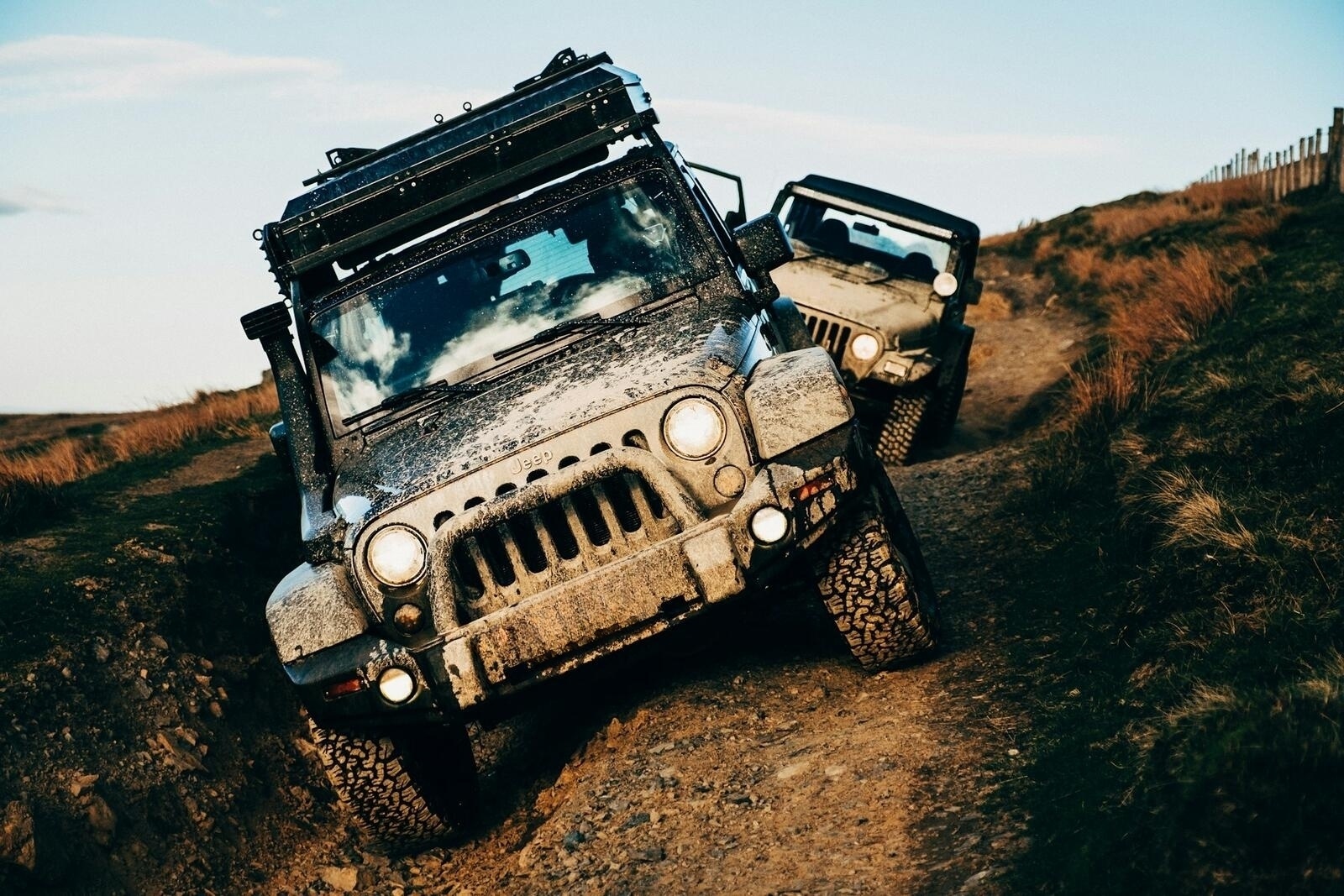
Armor buys margin, not immunity. A kinetic rope, traction boards, and shackles handle the day the Jeep ends up high-centered or axle-deep anyway. All of it moves between rigs and works on any trail.
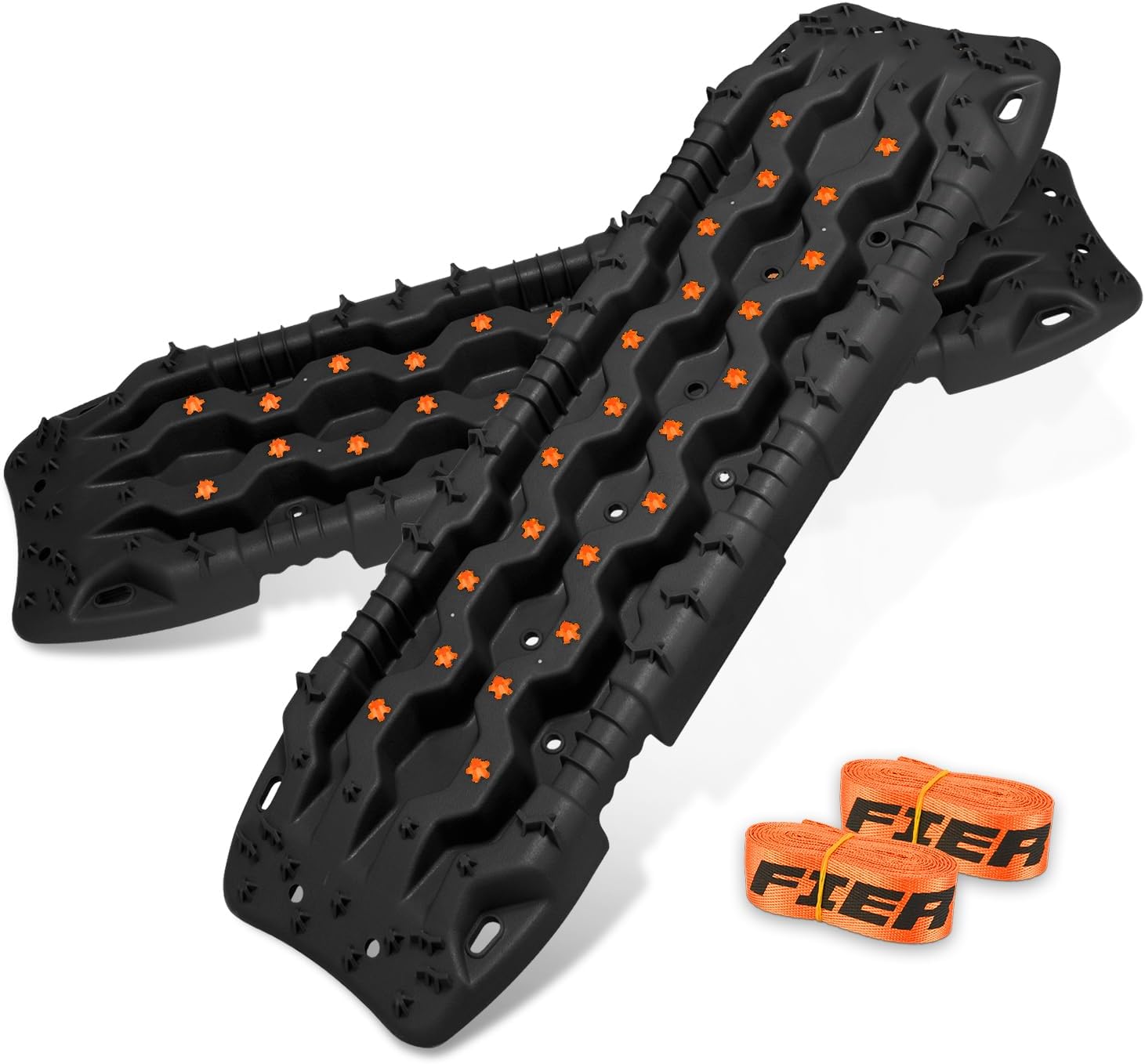
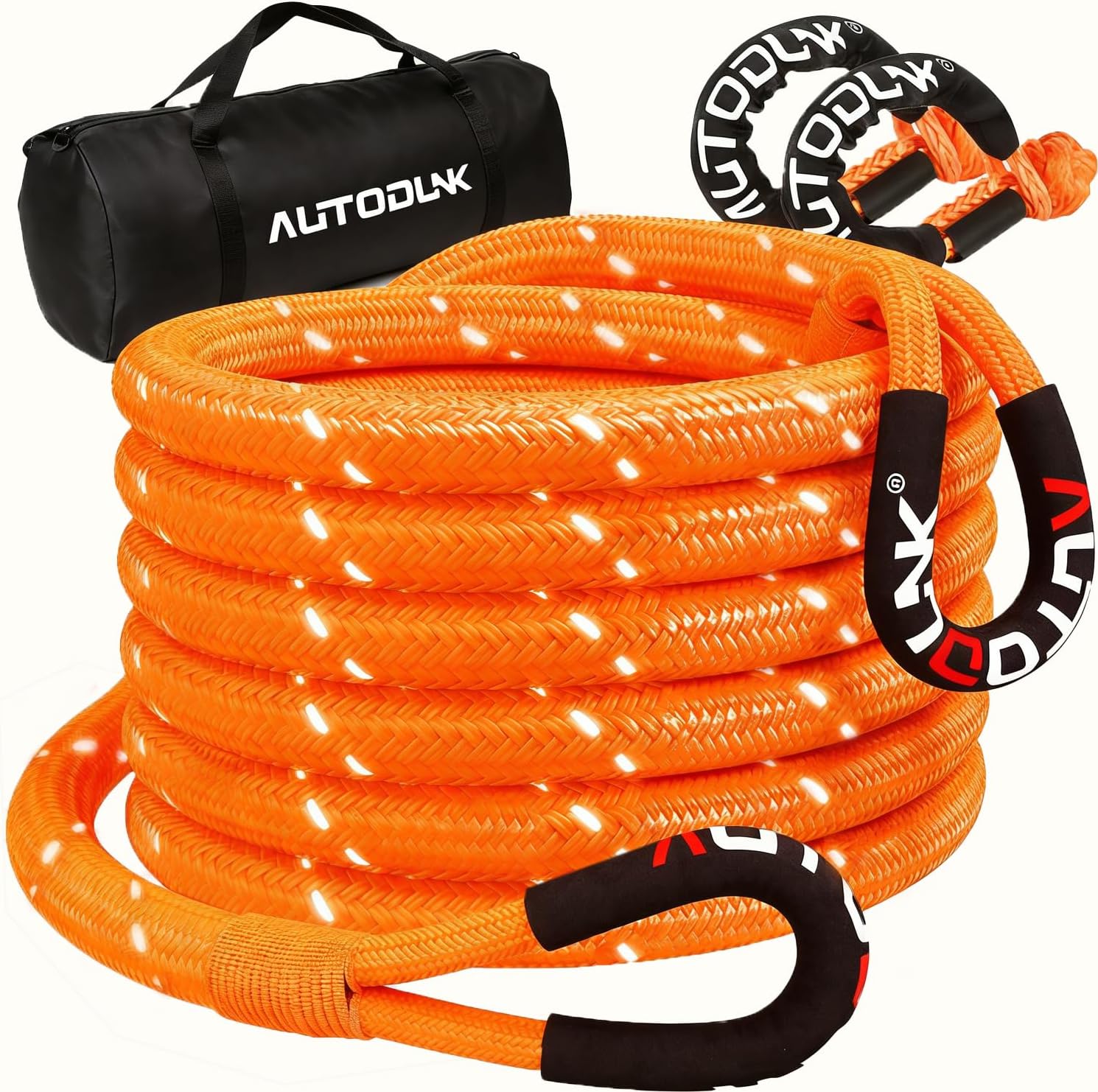
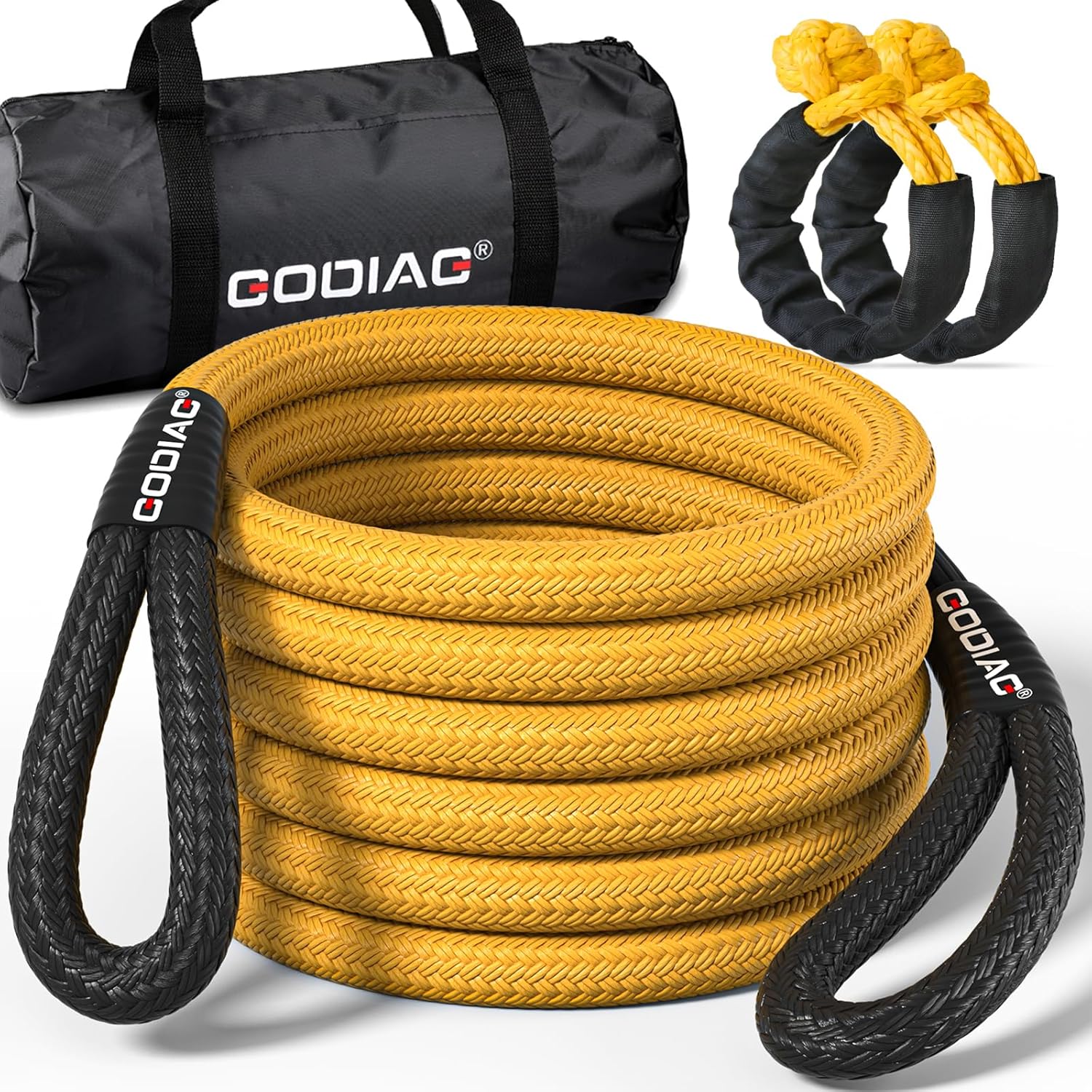
General guidance for Jeep Wrangler and Gladiator owners. Fitment and protection requirements vary by model year, trim, lift height, and terrain. Confirm specifications against your build before ordering, and check current product listings for updated fitment details.
The priority order exists because the first two failures end a trail day in under a minute. Cover them in order, carry recovery gear for the rest, and the rig can take what most trails throw at it.