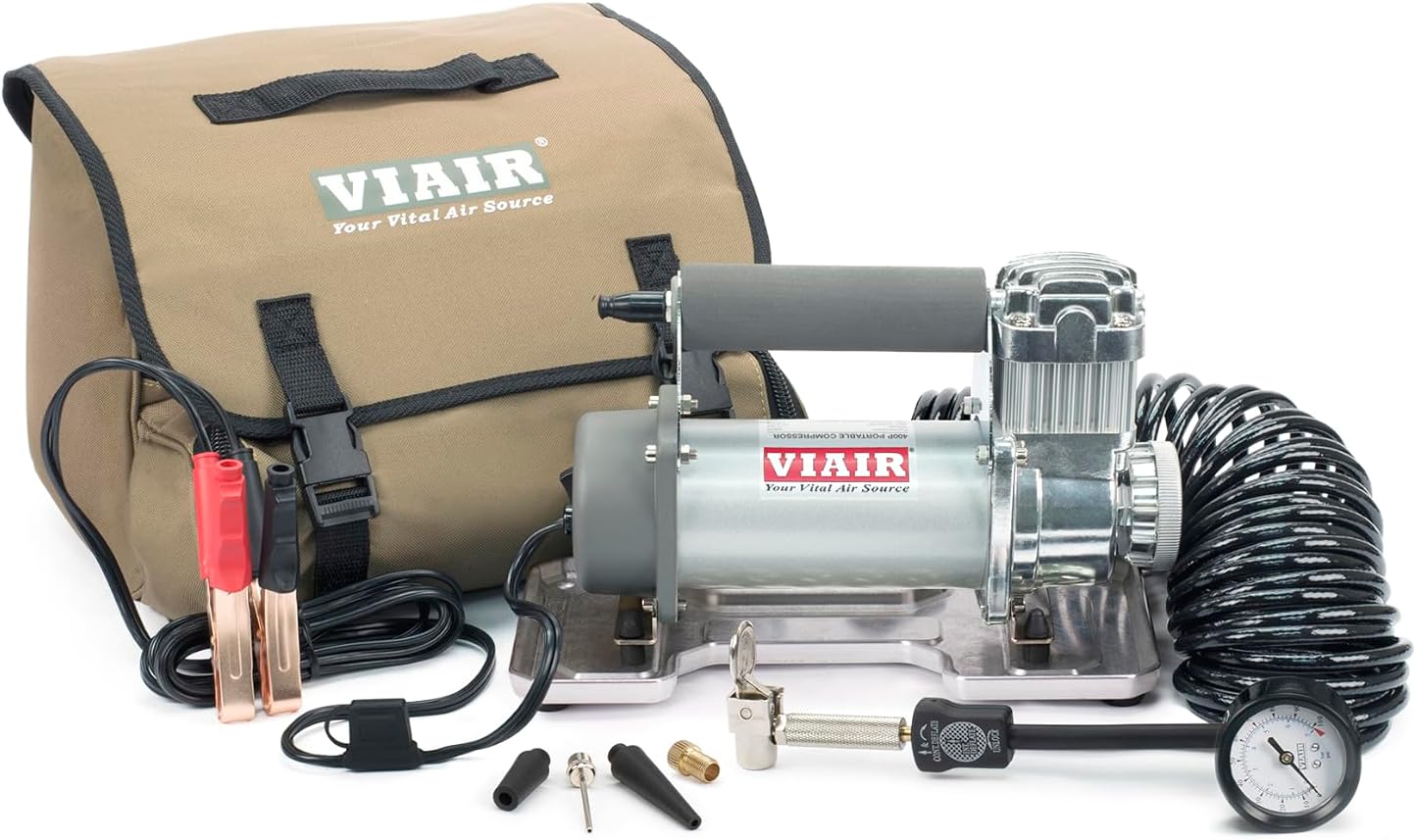
VIAIR 400P 35-Inch Tire Compressor
Check price on Amazon
Buy →Every doors-off trail run ends the same way: you need to put that pressure back before you hit the highway. The question is whether a portable 12V unit, a CO2 tank, or a full onboard system is the right answer for your rig and how often you actually run.
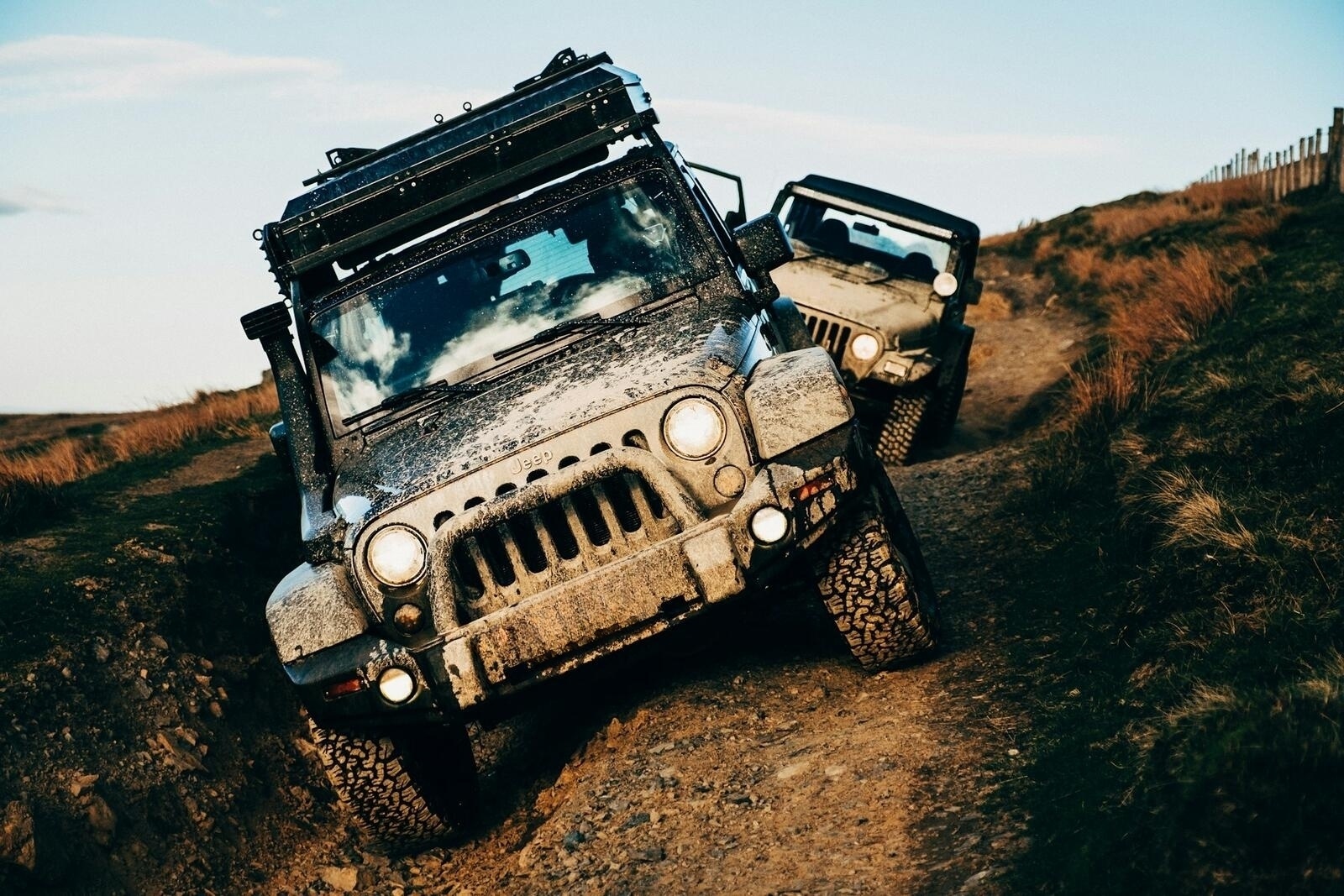
Airing down transforms how a Wrangler or Gladiator behaves on trail. Airing back up is just admin. But doing it with the wrong gear turns a 15-minute parking-lot task into a 45-minute wait in the heat while four tires come up one at a time.
On a stock JL or JK, the door jamb calls for 32-35 PSI on 33" or 35" tires depending on load and trim. Trail drivers typically air down to 15-18 PSI on moderate terrain, lower still on sand or loose rock. That's a swing of 15-20 PSI across four tires.
At 35" tires, each tire holds roughly 3.5 gallons of air at trail pressure. A small-bore portable compressor working at 30% duty cycle near 100 PSI can take 6-8 minutes per tire from trail pressure back to highway spec. A CO2 tank with a good regulator fills all four in under five minutes total. A high-output onboard compressor lands somewhere in between, with less waiting.
The math matters because a compressor that's right for a JL Sport on 33s will feel brutally slow on a Gladiator JT with 37" tires. Size your gear to your actual tire, not to the last rig you owned.
The portable 12V compressor is what most Wrangler owners buy first, and most of the time it's the right call. You clip it to the battery, fill your tires, and throw it back in the cargo area. No installation, no wiring, no commitment.
The VIAIR 400P is the standard reference point here: 150 PSI max, rated for tires up to 35", 30-amp draw, about 7.5 lbs. At 100 PSI its rated duty cycle is 33%, meaning 10 minutes on and 20 minutes off. On a JL with 35s, budget 30-35 minutes to air up all four at trail-day end and you're close to reality.
For most people running a Wrangler doors-off once or twice a month on day trips, that's entirely acceptable. You do a tire, grab water, do the next one. It's not fast, but it doesn't have to be.
What to avoid: units rated under 150 PSI max or drawing less than 25A claim to be tire inflators but they're calibrated for passenger cars. They'll work for a 215/55R17, not for a 35x12.50R17 coming up from 15 PSI.
What we'd carry on a doors-off trail run. Every link goes to Amazon.
An onboard compressor mounts permanently to the Jeep, usually in the engine bay, wired directly to the battery. Quality units like the VIAIR 444C or ARB dual compressor run at 100% duty cycle and fill 35" tires in 3-4 minutes each with no rest cycles between tires.
The case for going onboard is straightforward: if you're on trail most weekends, the time savings add up. If you run an air locker, an onboard system ties into it directly. If you want an air tank for tools or airing down beadlocks, a permanent plumbed line is far cleaner than snaking a portable hose under the hood each time.
The case against: a quality onboard setup costs more than a portable unit before any tank or mounting hardware, and installation takes a couple of hours if you know your way around a JL or JT engine bay. For someone who runs a trail once a month, the VIAIR 400P does the same job for a lot less money and zero installation work.
The JT Gladiator, with its longer wheelbase and more capable factory suspension, tends to be a more serious trail platform than the average weekend JL. The math on onboard leans further toward worthwhile there than on a JK commuter that goes off-road four times a year.
A CO2 tank with a tire inflator hose fills four tires in three to five minutes with no electricity required and no duty cycle to watch. The setup works when the engine is off, works in the cold, and lives in a corner of the cargo area until you need it.
The catch: once the tank is empty, you're done. A 10 lb CO2 tank gives you roughly one solid air-up session for four 35" tires with a little margin. You cannot refill it on the trail. If you're running a two-day trip and air down both mornings, you need either a second tank or a backup compressor.
CO2 makes the most sense for the occasional day-tripper who values speed over flexibility. It also works well alongside a portable 12V unit: when the compressor is grinding through its rest cycle on the fourth tire, you can finish the job with CO2 in 90 seconds.
Dedicated CO2 fill systems (tank plus tire regulator and hose) are widely available at welding supply shops and from automotive retailers. A regulator and hose designed specifically for tires, not for carbonating beverages, are the components you need beyond the tank itself.
The PSI number on the box tells you the max output. Duty cycle tells you how long the compressor can actually run before it needs to cool down. Those are different specs, and compressor marketing almost always leads with the PSI.
A 33% duty cycle at 100 PSI means 10 minutes of run time, then 20 minutes off. On a JL with 35s you'll air up one tire in about 6 minutes from trail pressure, so in practice you run between tires, let it rest, and you're fine. Push a 33% unit past its limit and you'll hit a thermal protection cutoff, or you'll shorten the motor's life over multiple runs.
Budget units often don't publish duty cycle at all, or bury it in fine print as "100% duty cycle at 30 PSI," which is close to meaningless when you're reinflating trail-aired tires at 35 PSI. Read the spec at the pressure you'll actually use, not the floor the manufacturer chose to showcase.
A doors-off Wrangler is an open-air vehicle. Gear stored in the cargo area, on fold-down seats, or clipped to roll bars takes full sun, dust, and vibration exposure that an enclosed SUV never sees.
Compressors and air hoses take hits from all three:
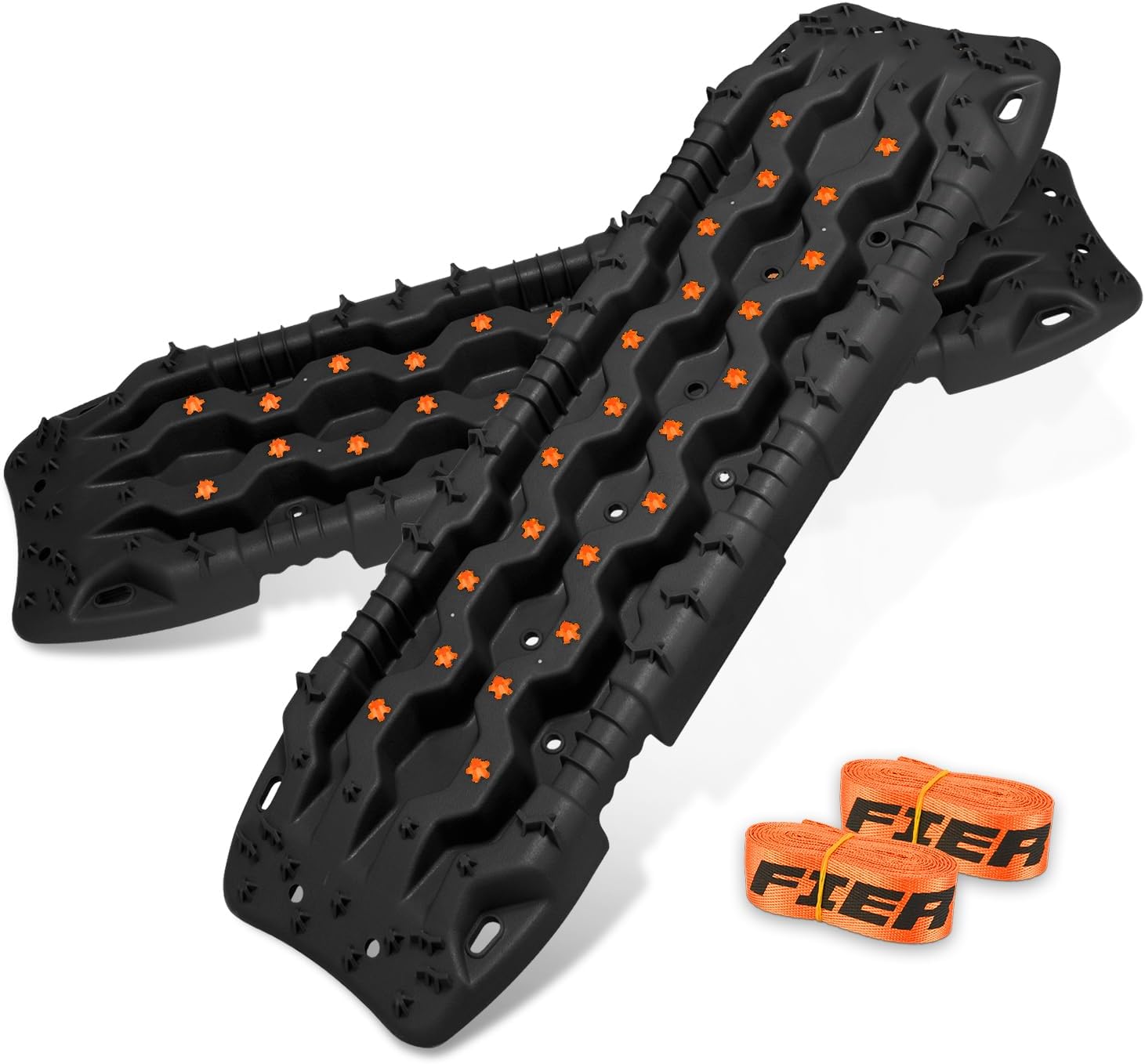
Traction boards and recovery rope are more forgiving: injection-molded HDPE doesn't have electronics to fry. UV does degrade the ratchet straps used to secure boards to a tire carrier or tailgate rack, so inspect the straps before each season rather than trusting whatever you put on last fall.
The compressor solves the air problem. It doesn't solve the stuck problem. Most doors-off trail days on a Wrangler or Gladiator don't end in a recovery situation, but the ones that do get expensive and slow without the right gear.
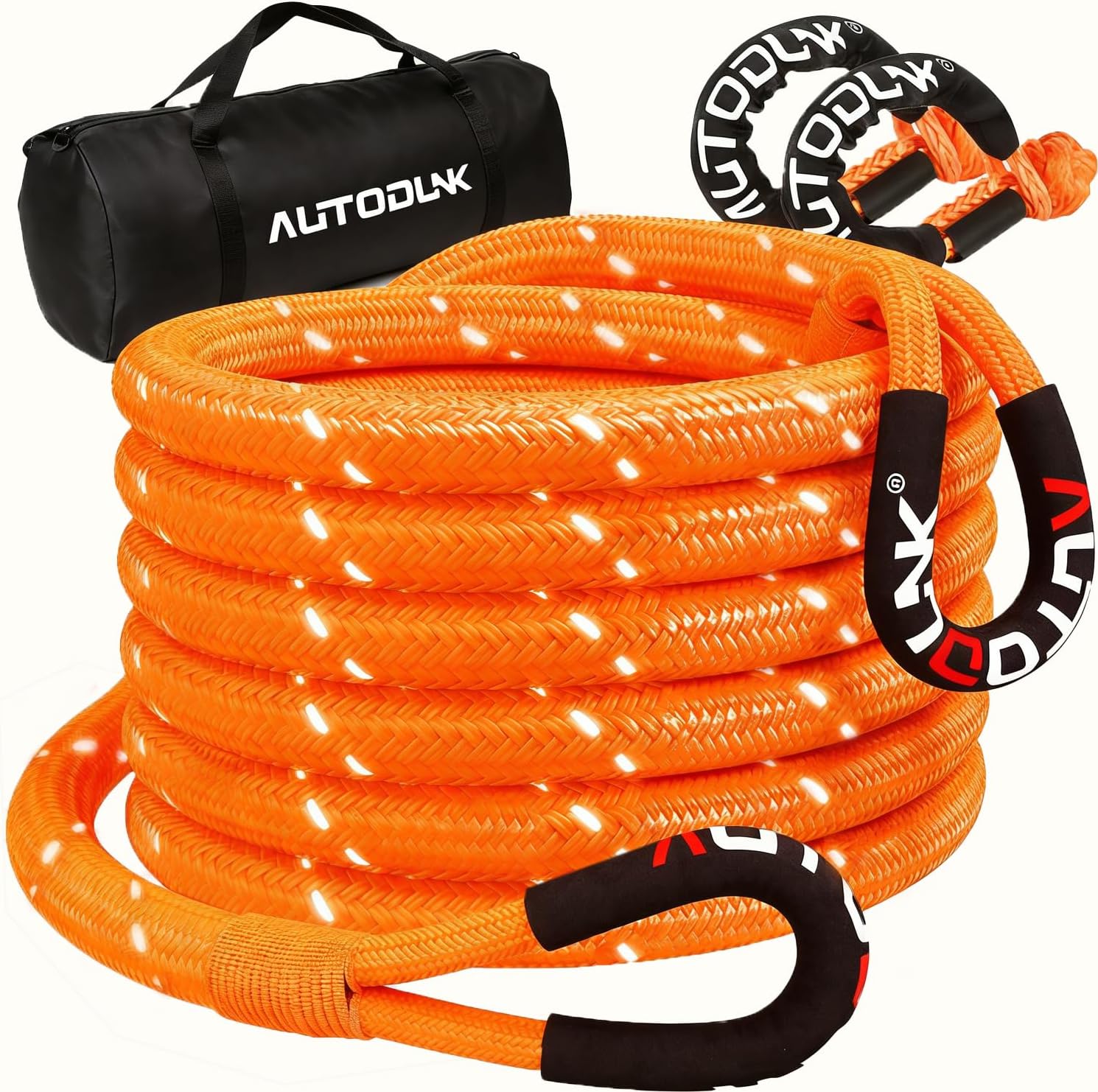
A short list of what to add alongside the compressor:
The rope and shackles fit in a drawstring bag the size of a football. You're not building a full overlanding rig, just making sure a stuck moment is recoverable without calling for a tow.
Technical specs pulled from manufacturer listings and current product pages. PSI recommendations vary by tire brand, tread pattern, load, and terrain. Check your door-jamb placard and tire manufacturer guidance before airing down significantly.
The gear list is short: a compressor that fits your tire size, traction boards for when the trail gets grabby, and a kinetic rope for the one time you need a hand. Sort it before the run, not during.