As an Amazon Associate we earn from qualifying purchases. Every buy button leads to Amazon.As an Amazon Associate we earn from qualifying purchases.Full disclosure →Disclosure →
GUIDE / OVERNIGHT OVERLAND

Stay out
one more night.

A day run stretching to overnight is a great problem to have, right up until you're standing at camp with gear piled on a rear seat and the sun going down. Here are the four layers that turn a doors-off Wrangler or Gladiator into something you can actually sleep out of, and the order to build them when you're watching the budget.

PART OF THE CARGO & CABIN SHELFSee all 11 guides →

Already running doors-off regularly and ready to stay out longer? This is the next four layers. Still sorting the basics? Start with the complete doors-off setup guide first.

Where does it all go?

A doors-off Wrangler is a fantastic day vehicle and a surprisingly awkward overnight one if you haven't thought through cargo. With the doors gone the cabin is open on both sides: anything sitting loose on a rear seat can slide, bounce, and exit. A cooler, a duffel, and camp chairs stacked on the tailgate is not a system, it's a prayer.

Three tools fix it:

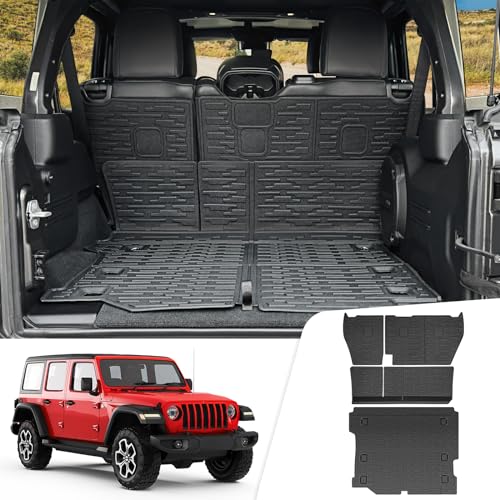
  • Cargo liner: lines the full cargo floor and seat-backs, keeps gear contained, and wipes clean when camp cooking goes sideways. JL-specific fit matters so it actually covers the floor and doesn't bunch up under load.
  • Wheel well storage bin: drops into the recessed space above the rear driver-side wheel arch, turning dead volume into lockable dry storage. Keys, a headlamp, snacks, first aid: keep the small critical stuff here so it's not rattling around in a bag you can't reach without stopping.
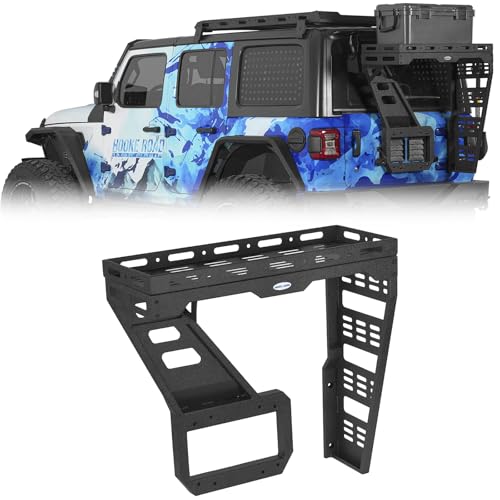
  • Tailgate rack or roof basket: the tailgate rack mounts to the spare tire carrier and adds a full cargo platform without touching the roof, so it works on soft tops and hard tops alike. If you're on a hard top and want more volume, a proper overland roof basket is the step up.

Lock down the cabin first. Once you know what's where, you can count on it still being there when you pull into camp.

LAYER 1: CARRY IT

Cargo and load management

A cargo liner, a wheel well bin, and a tailgate rack solve the open-cabin problem before it ruins your first night out. Every link goes to Amazon.

See all storage & organization →

The camp layer

You don't need a full overlanding rig to camp out of a Jeep. You need a place to sit, something to cook in, and something that keeps your coffee hot until morning. The constraint is volume, so every item earns its cubic inches or it doesn't come.

  • Camp chair: the Helinox Chair One Highback folds to the size of a water bottle and supports real weight with a proper high back. Anything bigger punishes you at the trailhead when you're trying to fit two nights' worth of gear into a doorless Wrangler. Buy the ultralight chair. You'll thank it.
  • Cookware: a compact aluminum mess kit (pot, pan, lid-as-plate) handles two people eating camp food on any backpacking stove. It nests flat and weighs almost nothing compared to a Dutch oven and the regret that comes with it.
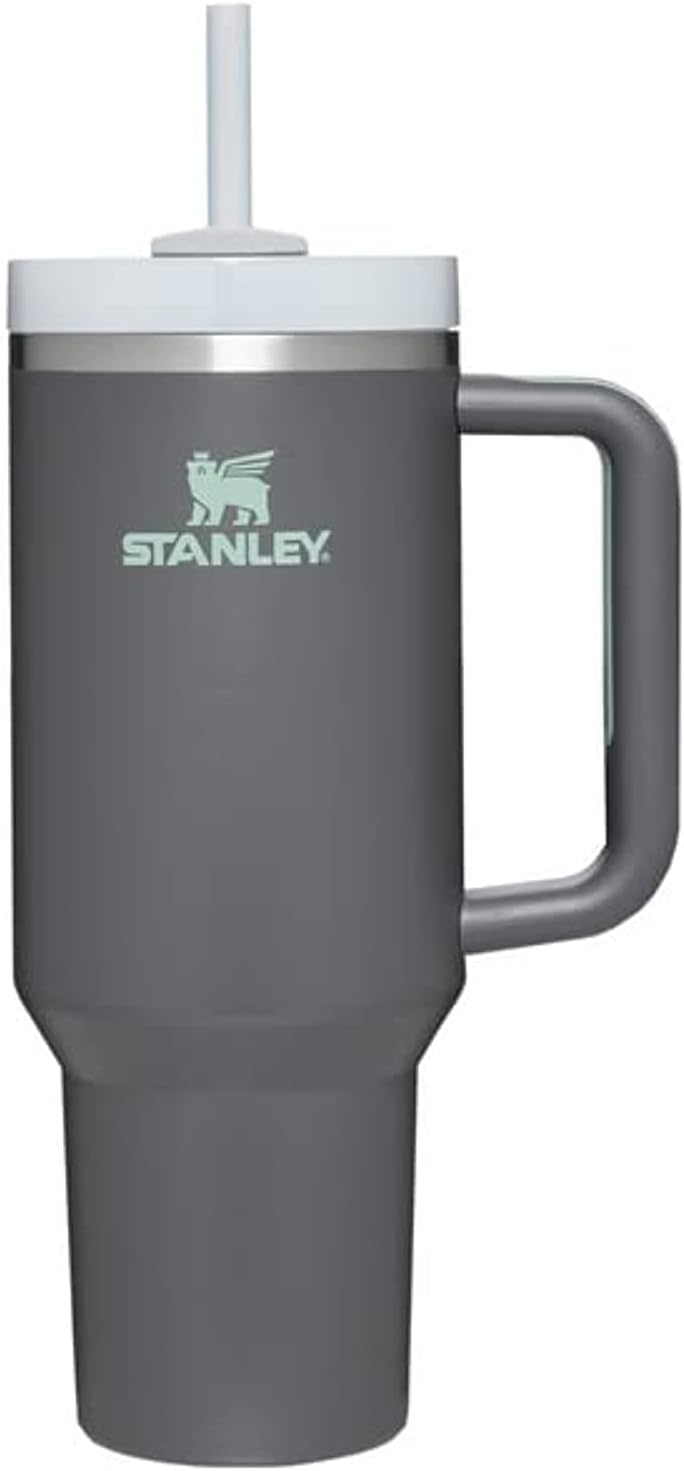
  • Insulated drinkware: a 40 oz wide-mouth insulated bottle doubles as a water bottle on trail and a hot coffee vessel at camp. Fill it from a campfire pot the night before and it's still hot in the morning. The Stanley 40 oz earns this slot consistently.

JK owners: cargo is tighter than the JL, so the chair and a mug are the non-negotiable comfort items. The full mess kit is optional if you're eating cold for one night.

LAYER 2: EAT AND SIT

Sleep and camp setup

Ultralight chair, a mess kit that nests flat, and an insulated bottle that's still hot in the morning. All links go to Amazon.

See all camping gear →

Recovery gear laid out on a desert trail next to a Jeep Wrangler
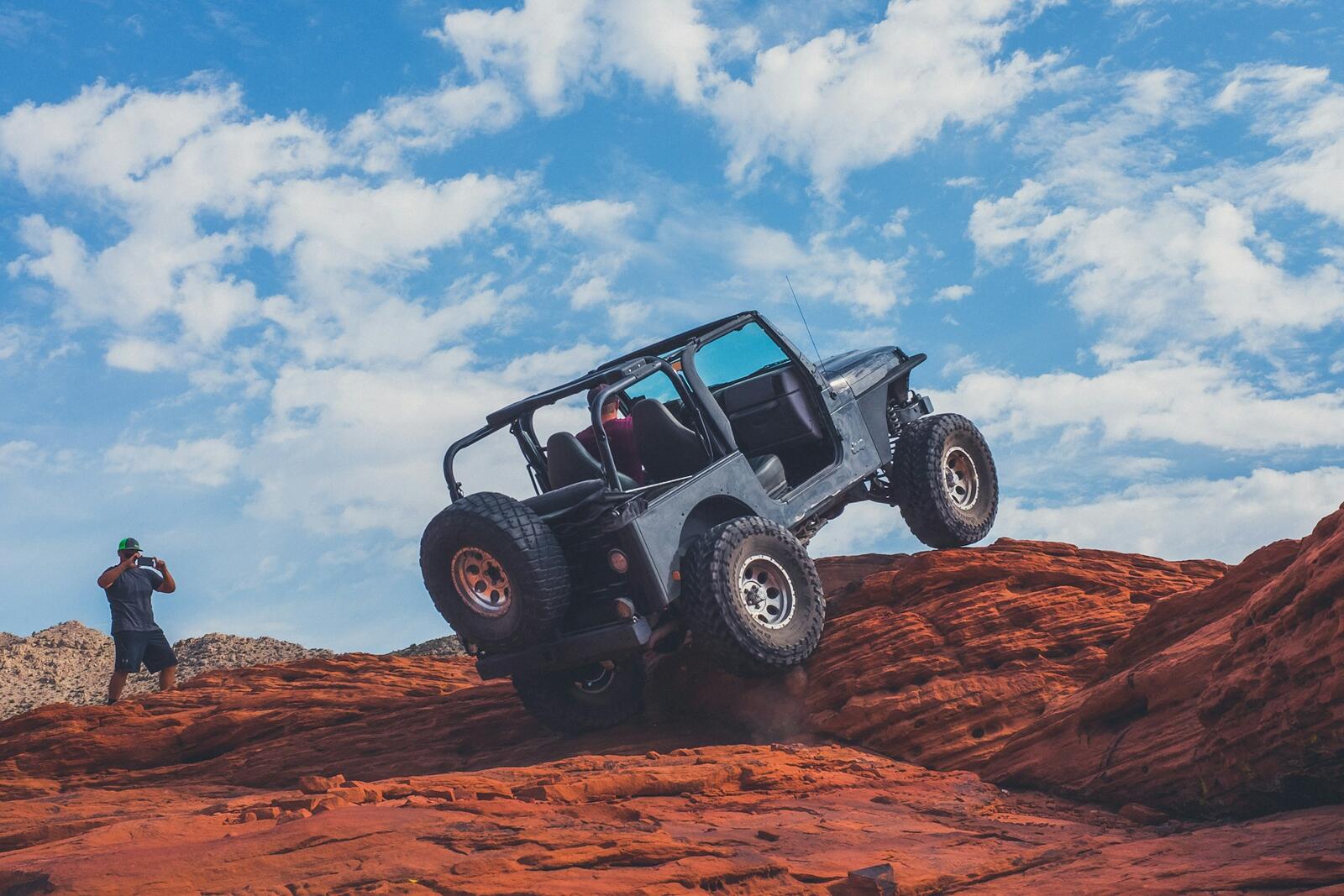
Remote trailheads put you miles past help. Carry what gets you out.

Remote trailhead recovery

This is the layer that separates a comfortable overnighter from a rescue call. Day runs have a margin: if you get stuck you figure it out, call for help, or walk. Overnight at a remote trailhead you're on your own until morning, possibly longer. Three items cover most of what goes wrong:

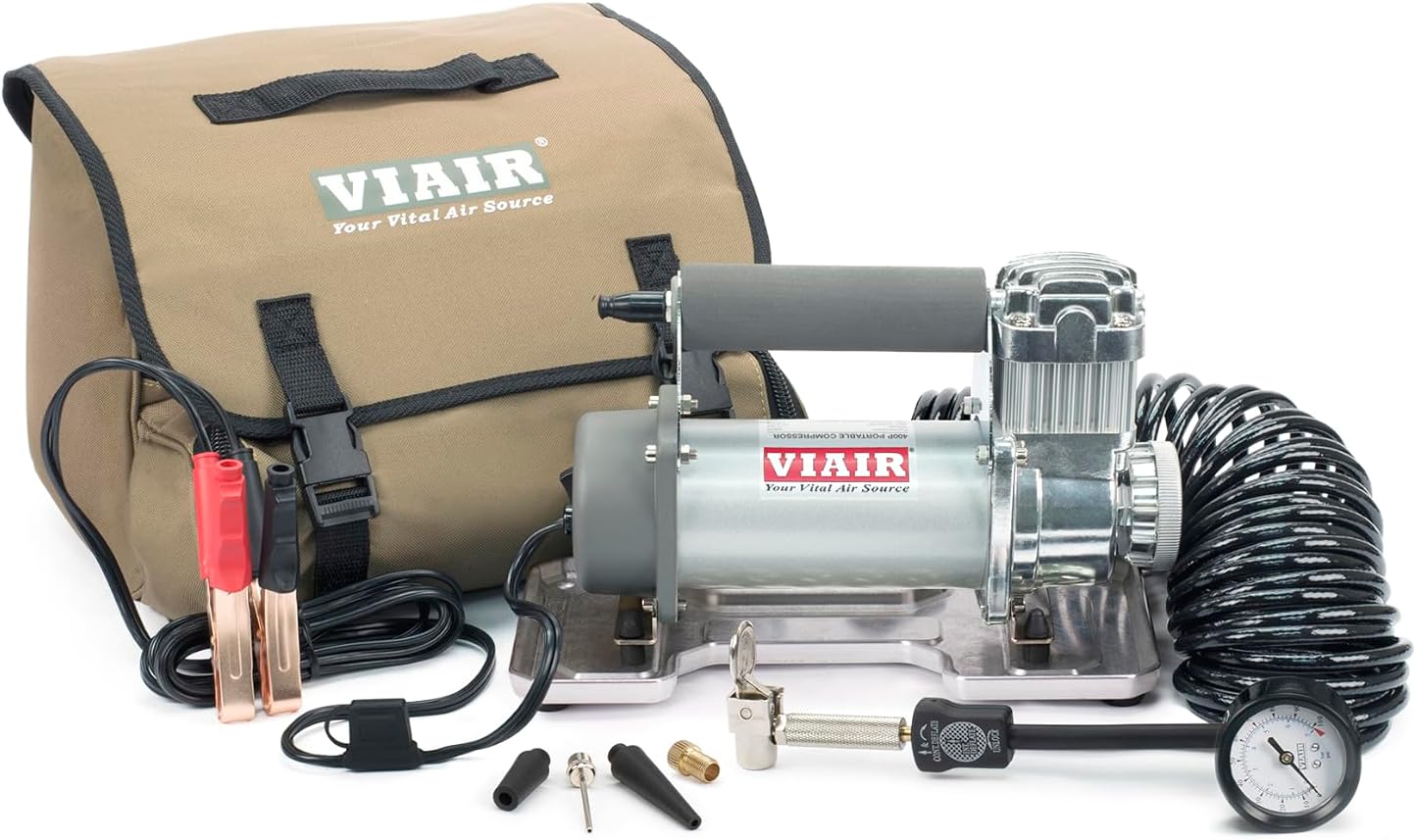
  1. Portable compressor: airing down to 18-22 psi opens up traction on loose dirt, sand, and rocky trails significantly. A quality 12V compressor clips direct to the battery and fills a 35-inch tire in about five minutes. You need this going home even if nothing goes wrong; if something does go wrong, you definitely need it. The VIAIR 400P handles tires up to 35 inches and runs off the main battery without drama.
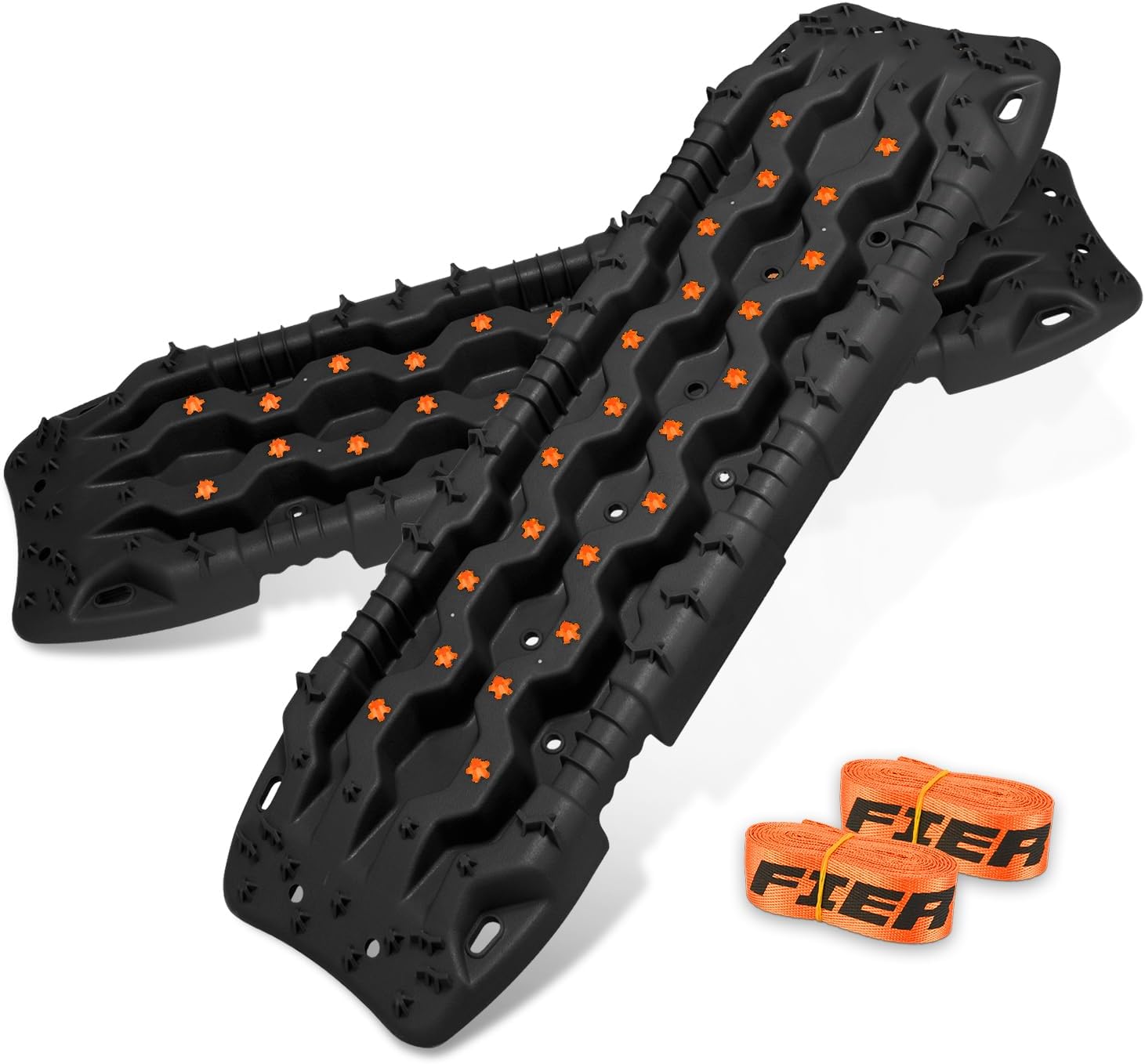
  2. Traction boards: a pair of 44-inch GEN3-style traction boards handles sand, mud, and soft dirt. Slide one under a buried tire, give it surface to bite, drive out. Sixty seconds to deploy; the alternative is hours of digging. Boards are a solo recovery tool, which matters when you're out alone.
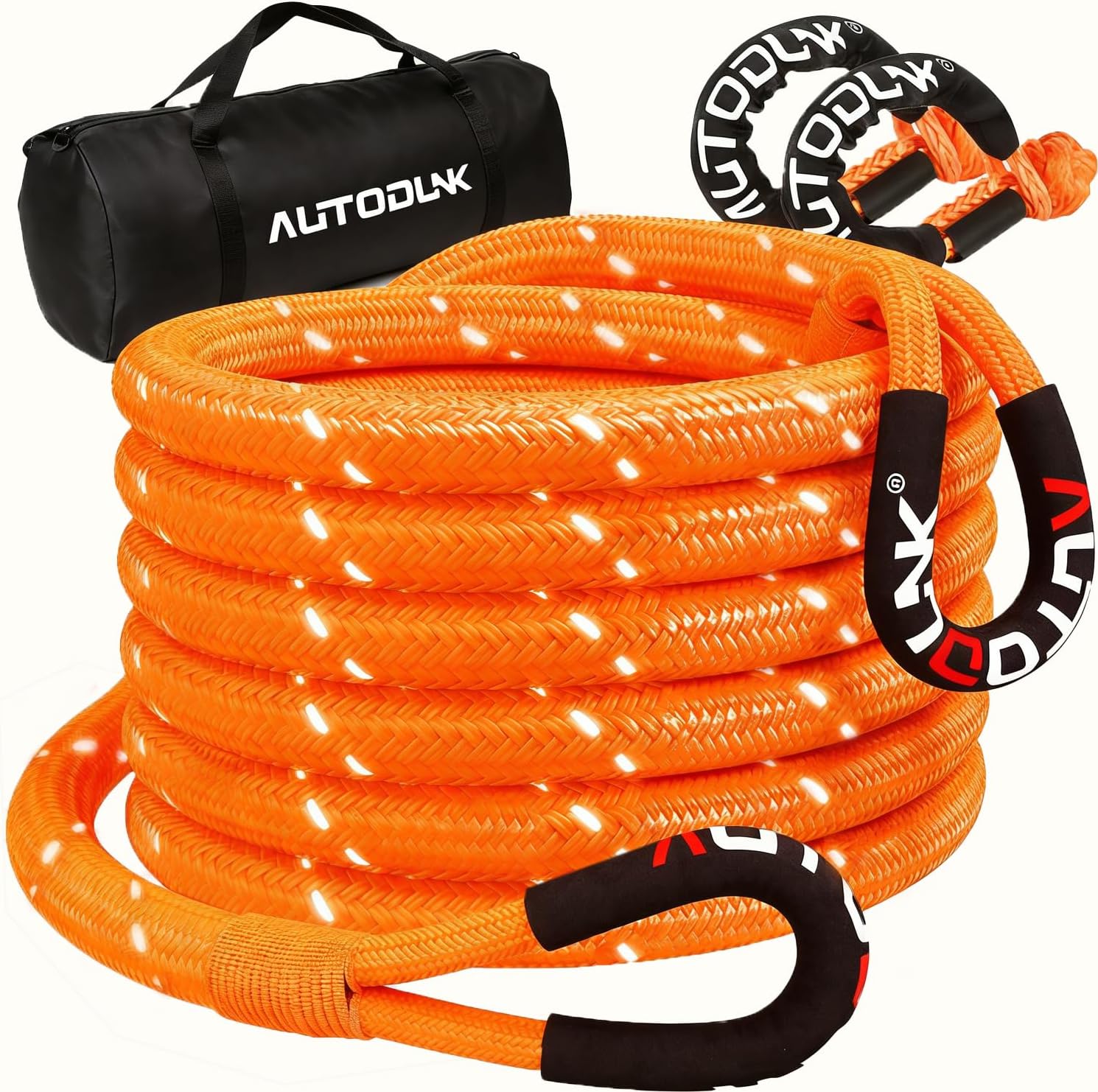
  3. Kinetic recovery rope and soft shackles: if a friend is on the trail, a kinetic rope is how you pull each other out. Kinetic ropes store and release energy like a spring, making them significantly safer and more effective than a tow strap. Pair with soft shackles instead of metal hooks and you eliminate the projectile risk if the rope parts under load.

You don't need all three on your first overnight, but you need at least two. If you're carrying one thing, start with traction boards: solo recovery with boards is possible. Solo recovery with only a rope requires a second Jeep.

LAYER 3: GET OUT

Remote-trail recovery

A compressor, traction boards, and a kinetic rope cover most of what goes wrong past the pavement. All links go to Amazon.
See all recovery gear →

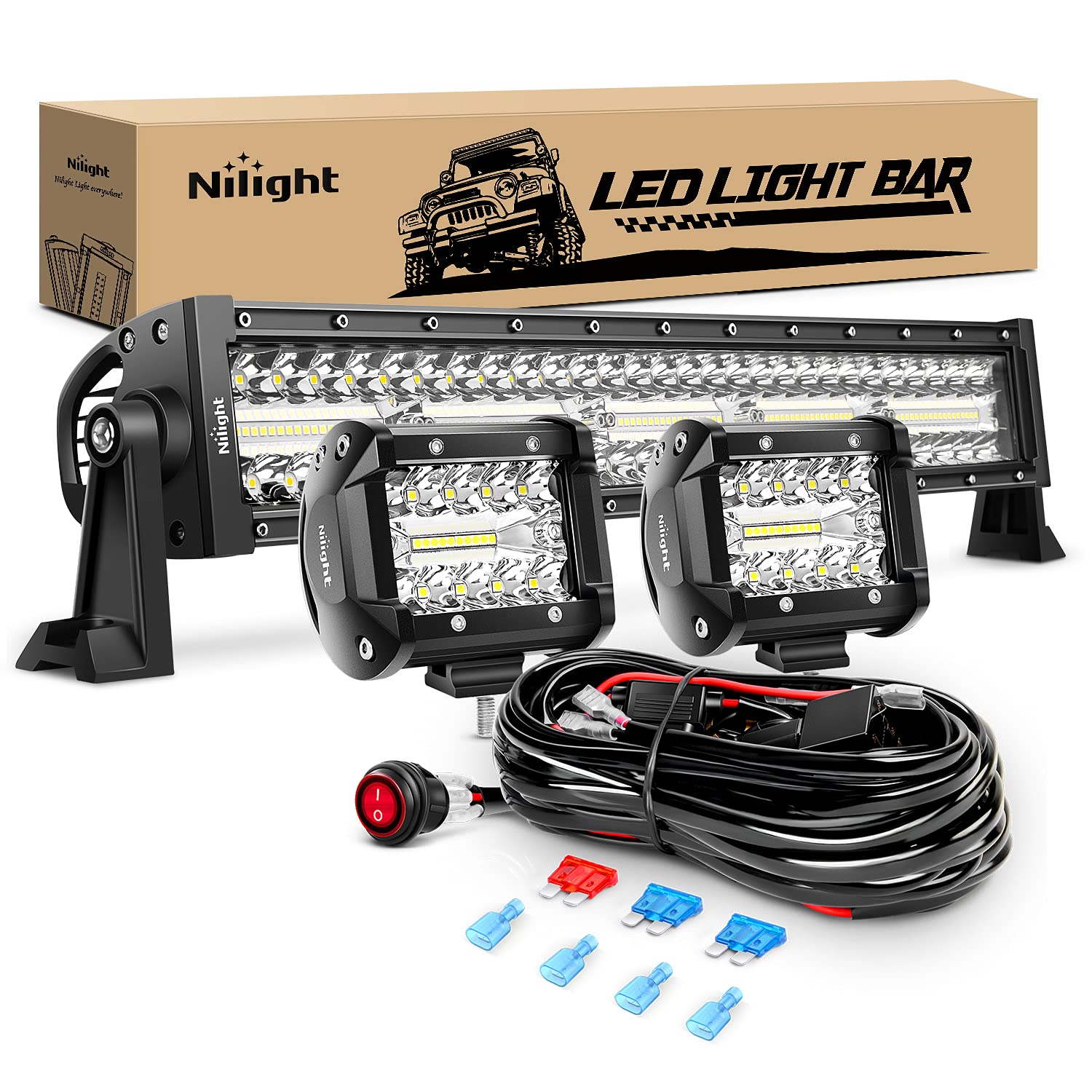
Lighting at camp

Factory headlights aim at the road. At a dark campsite they're pointed at trees thirty feet from where you're cooking. A set of LED pods or a roof-bar light turns your Jeep into a camp lantern with a real beam pattern. Two practical setups:

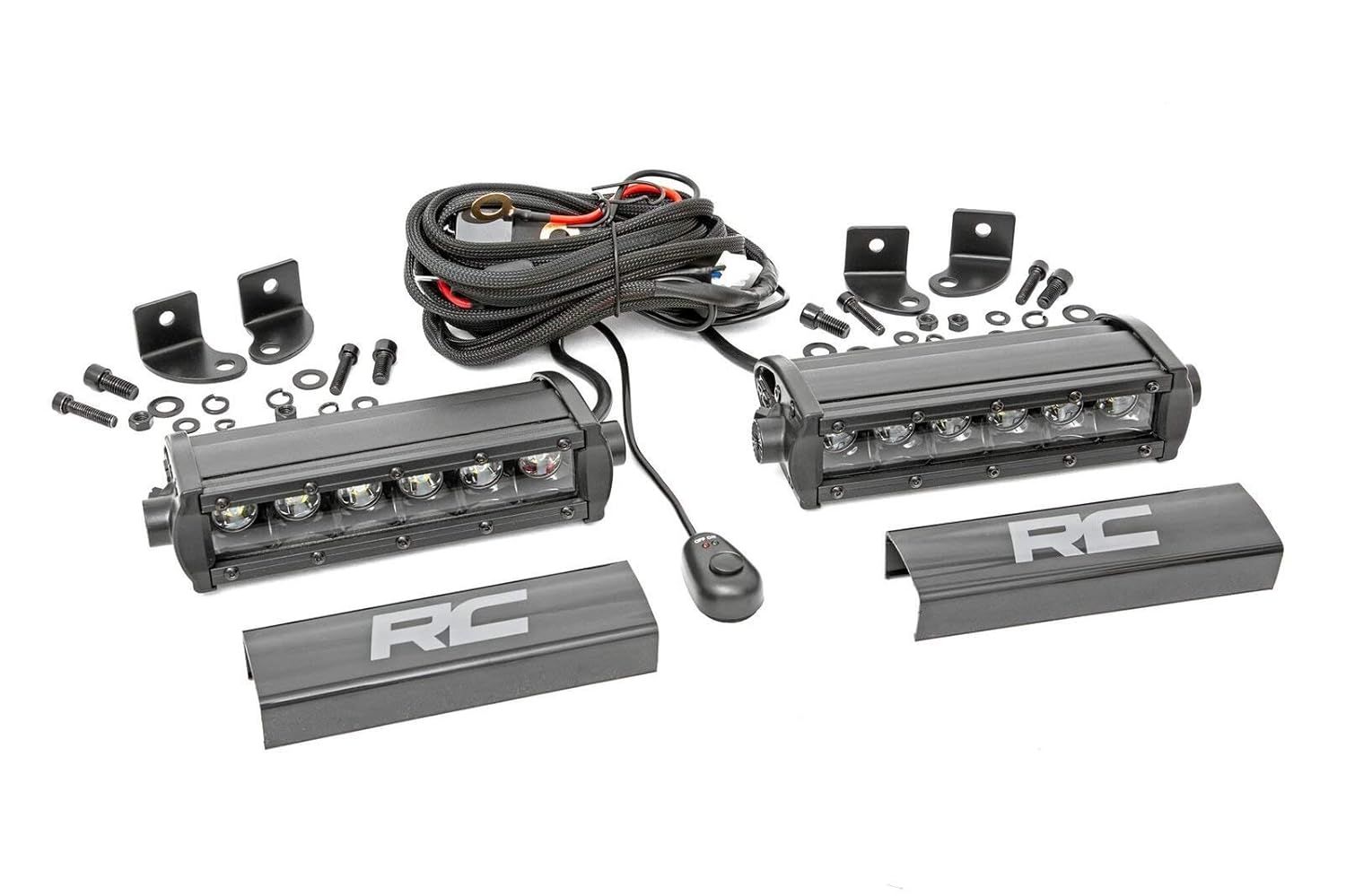
  • CREE LED pods (pair): 6-inch pods mount to the A-pillar, windshield frame, or bumper. They throw a focused spot or flood beam where you aim them and pull less current than a full bar. The right first lighting upgrade if you're not ready to commit to a full bar install.
  • 22-inch triple-row bar: mount to a roof rack and it throws a broad flood across the whole campsite. Serious light for the money, but it needs a rack and a wiring run. Once installed it's the most useful camp light you'll turn on.

JL note: windshield-mount bars need a bracket specific to the JL frame. Confirm compatibility before ordering a windshield-mount setup.

Build order on a limited budget

If you can't do it all at once, here's the sequence that buys the most overnight capability per dollar:

  1. Cargo liner and wheel well bin: cheapest, biggest immediate quality-of-life improvement. Fixes the where-does-it-go problem on the first trip.
  2. Traction boards: the safety item you can deploy solo. Own a pair before you overnight remote.
  3. Insulated drinkware and camp chair: low cost, high return. The chair especially earns it every night out.
  4. Kinetic rope and shackles: adds group recovery once you're running with other Jeeps.
  5. Portable compressor: expensive relative to the items above, but irreplaceable on a multi-day. Justifies itself the first time you're airing back up at a highway on-ramp at 6 a.m.
  6. Camp lighting: last, because any headlamp covers the immediate need. Upgrade once everything else is sorted and you've confirmed this is your thing.

A tailgate rack or roof basket fits anywhere in this sequence depending on how urgently you're running out of cargo space. If you're already busting at the seams on a one-night run, move cargo expansion up.

LAYER 4: SEE IN THE DARK

Camp lighting

Pods or a bar mounted up top turn a dark campsite into a workable one. Way better than a headlamp pointed at the sky. All links go to Amazon.
See all lighting →

STRAIGHT ANSWERS

Overnight overland FAQ.

Can a Wrangler actually carry enough gear for an overnight trip?
Yes, with a plan. A JL 4-door has a functional cargo area once a liner and wheel well bin are in, plus a full tailgate rack above the spare for bulky items. The JK is tighter but the same approach works: contain the cabin, add vertical storage with a rack. What fits easily: a two-person camp kit, recovery gear, and two to three days of food. What won't fit without a roof rack: a full roof-tent setup or a full-size cooler.
Do you need a roof rack for an overnight run?
Not necessarily. A tailgate rack on the spare tire carrier adds significant cargo capacity without touching the roof and works with both hard tops and soft tops. A roof rack gives more total volume and a place to mount a light bar, but it's not required for a first overnight.
What's the minimum recovery kit for a remote overnight?
Traction boards and a compressor. Boards handle solo stuck situations on soft terrain; the compressor handles air-down and air-up duty across the whole trip. A kinetic rope adds group recovery capability but requires a second vehicle to use. For solo runs, boards are more immediately useful than a rope alone.
Is a Gladiator JT better for overlanding than a Wrangler?
The JT has a longer bed which genuinely helps for overnight cargo, and the truck architecture makes securing gear more straightforward. The Wrangler tends to get picked for tighter trails because of its shorter wheelbase, though the JT handles most terrain well. Both work for overnight overland; the JT just gives you more room to work with on the cargo side.
How do you handle cold nights when camping with the doors off?
The doors go back on if it's cold. Doors-off is a warm-weather mode: sleeping without them below about 50 degrees F requires a serious sleeping bag and tolerance for a drafty cabin. Most overnighters keep the doors staged nearby and bolt them back on if the forecast turns. Check the regional season guide for when doors-off weather actually works in your area.
Do you need a second battery to run a compressor and lights at camp?
The VIAIR 400P draws around 20 amps at peak and runs fine off the main battery with the engine running. Running LED pods all night without the engine is more borderline depending on battery health. A quality battery tender is worth adding if you're doing multi-day trips and running accessories overnight without idling. For a single overnight, a healthy stock battery usually handles it.

General guidance for Jeep Wrangler and Gladiator owners; not professional survival or safety advice. Trail conditions vary, access rules change, so confirm local regulations before heading out.

STAY OUT LONGER

Doors off,
no checkout time.

Sort the cargo, pack the recovery layer, and check what the weather's doing before you commit. The doors-off forecast calls the week and keeps nothing on our end.

Jeep Wrangler on a wide open trail with doors removed and sky above

Doors off,
no checkout time.