As an Amazon Associate we earn from qualifying purchases. Every buy button leads to Amazon.As an Amazon Associate we earn from qualifying purchases.Full disclosure →Disclosure →
GUIDE / SOFT TOP LIFE

She's been through enough.
Here's how to tell.

The honest range for a factory soft top is five to ten years. Heavy doors-off use, repeated fold-and-stow cycles, and real UV exposure knock that number down. Here is what the wear signs mean, which failures are worth fixing, and when the math says to stop throwing money at it.

PART OF THE TOPS & WEATHER SHELFSee all 6 guides →

A cracked rear window is the one everyone spots. Fraying seams, leaking zippers, and mold along the header rail are the ones that have usually been building for a season or two before anyone looks close enough to notice.

How long soft tops actually last

Five to ten years is the honest range for a factory soft top under normal Wrangler use. Under normal use. If you are a doors-off regular — folding and stowing the top every weekend from April through October, leaving it baked open on a summer trailhead, running through rain with the seams wet — budget closer to five to seven years before something fails that is more than cosmetic.

JK tops from the 2007 to 2018 generation are now well past the ten-year mark on most surviving examples. The vinyl windows cloud and crack; the fabric stiffens; the header seals start weeping. JL owners on their second or third year of heavy use are not there yet, but the same clock is running. JT Gladiator soft tops sit on the same mechanical platform as the JL and follow the same wear timeline and failure modes.

What kills tops faster than age is the fold-and-stow cycle. Every time you fold a soft top back, you are creasing the same fabric and zipper tracks at the same stress points. UV does the rest. An unfolded, garaged, infrequently driven Wrangler can stretch a top to fifteen years without a noticeable failure. A doors-off build doing forty-plus days a year under real sun typically does not make it there.

Reading the wear signs

Most of these are visible from the outside in about ten minutes. Go through them in order. Each one tells you something specific about where the top is in its life.

  • Rear window: The plastic rear window on most JK and early JL tops is the first thing to go. Look for yellowing, hazing that does not wipe off, and surface cracking that runs with the grain of the material. A hazed window is annoying. A cracked one needs a replacement window at minimum.
  • Zipper tracks and teeth: Run all the zippers and watch for teeth that skip, a pull that binds halfway, or a track that has warped away from the channel. A zipper that leaks in rain but still closes is usually salvageable. One with missing or corroded teeth, or a bent pull, is done.
  • Seams at the header rail: The front header bar is where the top takes the most stress. It flexes every time you open or close the top. Seams pulling away from the header, stitching that has gone white and brittle, or fabric separating from the attachment strip all signal structural trouble.
  • Fold creases: On a fold-back top, press your fingers into the creases where the fabric stacks. If the material feels stiff and the crease has gone white or cracked through to the backing, UV degradation is well advanced. Fabric that still has some flex and give has more life in it.
  • Mold along the header and rear corners: Mold on the outside surface is usually contamination you can treat. Mold that has worked into the seams and backing material along the header rail or rear corners is a different problem. The backing holds moisture, and once mold is in the structure, cleaning slows it down but does not stop it.
  • Lower attachment points: Look where the soft top fastens to the body rail along the sides. Fabric fraying or pulling away from the attachment strip at the body rail is letting water in and signals the end is close.

What is worth fixing and what is not

The repair-or-replace question comes down to what has failed and whether the rest of the top is still sound enough to justify the work. Some failures are cheap and fast. Others mean the top has been telling you something for a while.

Things you can reasonably fix:

  • Stiff or binding zippers: Clean the teeth with a dry brush, then work zipper wax up and down the track. A zipper that binds only when cold and dry usually responds to this. A zipper that skips under rain load, or has visible missing teeth or a warped track, is not a lubrication problem.
  • Small tears in non-window panels: Vinyl adhesive patch kits work for small punctures in cargo-area and side panels. They do not hold at fold creases where the material flexes repeatedly. Do not patch near zippers or the header seam.
  • The rear window alone: If the rest of the top is structurally sound but the rear window has cracked or hazed beyond use, replacement windows are sold as individual panels for most JK and JL configurations. They vary in cost depending on the top model. This is worth doing when the fabric, seams, and zippers still have reasonable life and the top has another two or three years in it.
  • Surface mold: Dilute white vinegar and water, scrubbed in with a soft brush and rinsed thoroughly, handles surface mold on the fabric. Let the top dry fully before folding. Repeat every season in high-humidity environments.

When any of these conditions apply, the top is done:

  • Seams separating at the header rail or along the body attachment strip
  • Mold through the seam backing and into the structure
  • Fabric cracked or brittle at the fold creases
  • Two or more zipper tracks deformed or missing teeth

When two or more of those are present at once, repair costs catch up to replacement costs fast. A new aftermarket soft top for a JL or JLU costs substantially more than a window panel. If you are buying a rear window plus zipper hardware plus two weekends of work, and the header seam is also starting to lift, you are spending money on a top that has already told you what it wants.

REPLACEMENT TOPS

When it is time, these are worth it

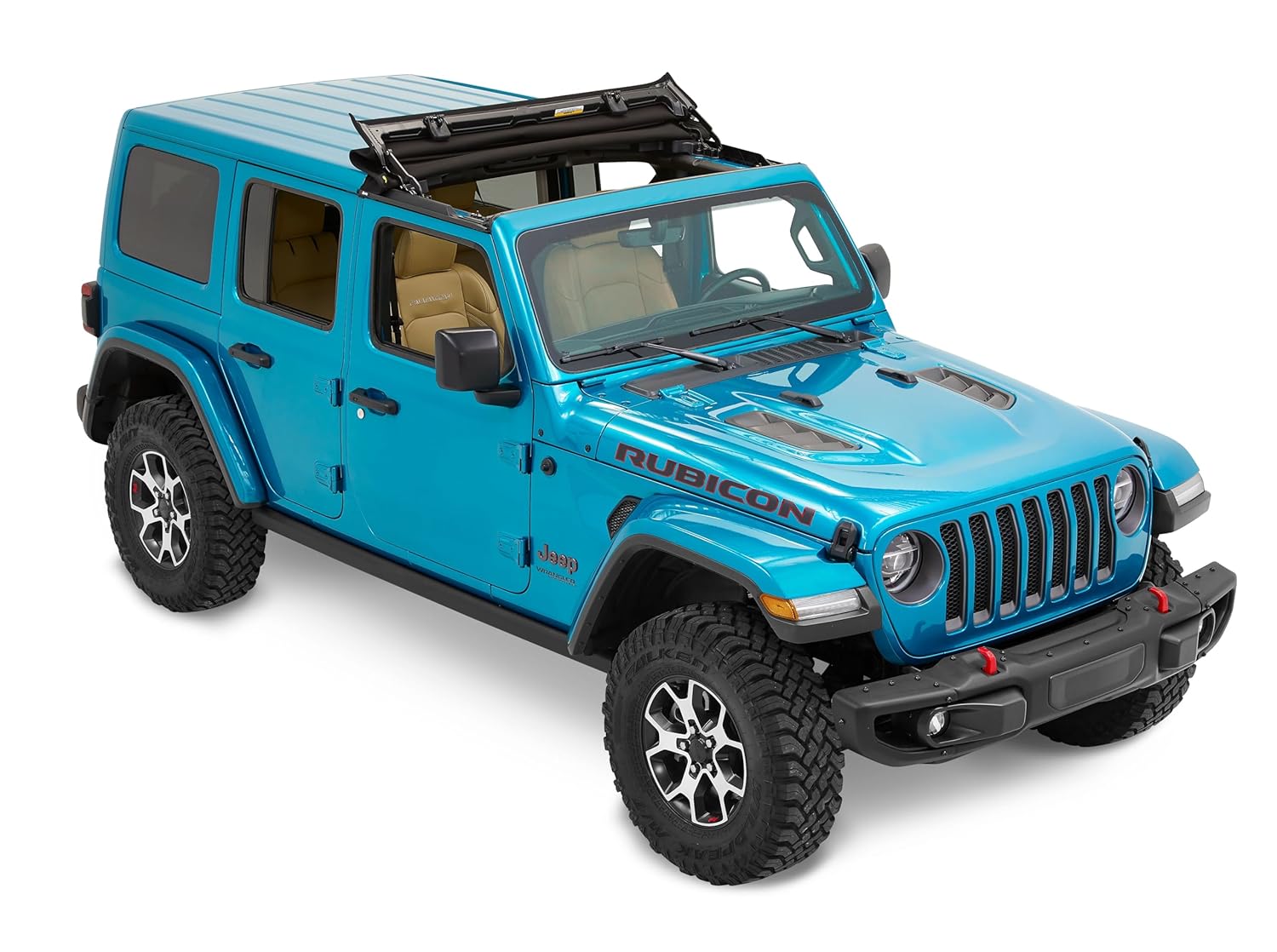
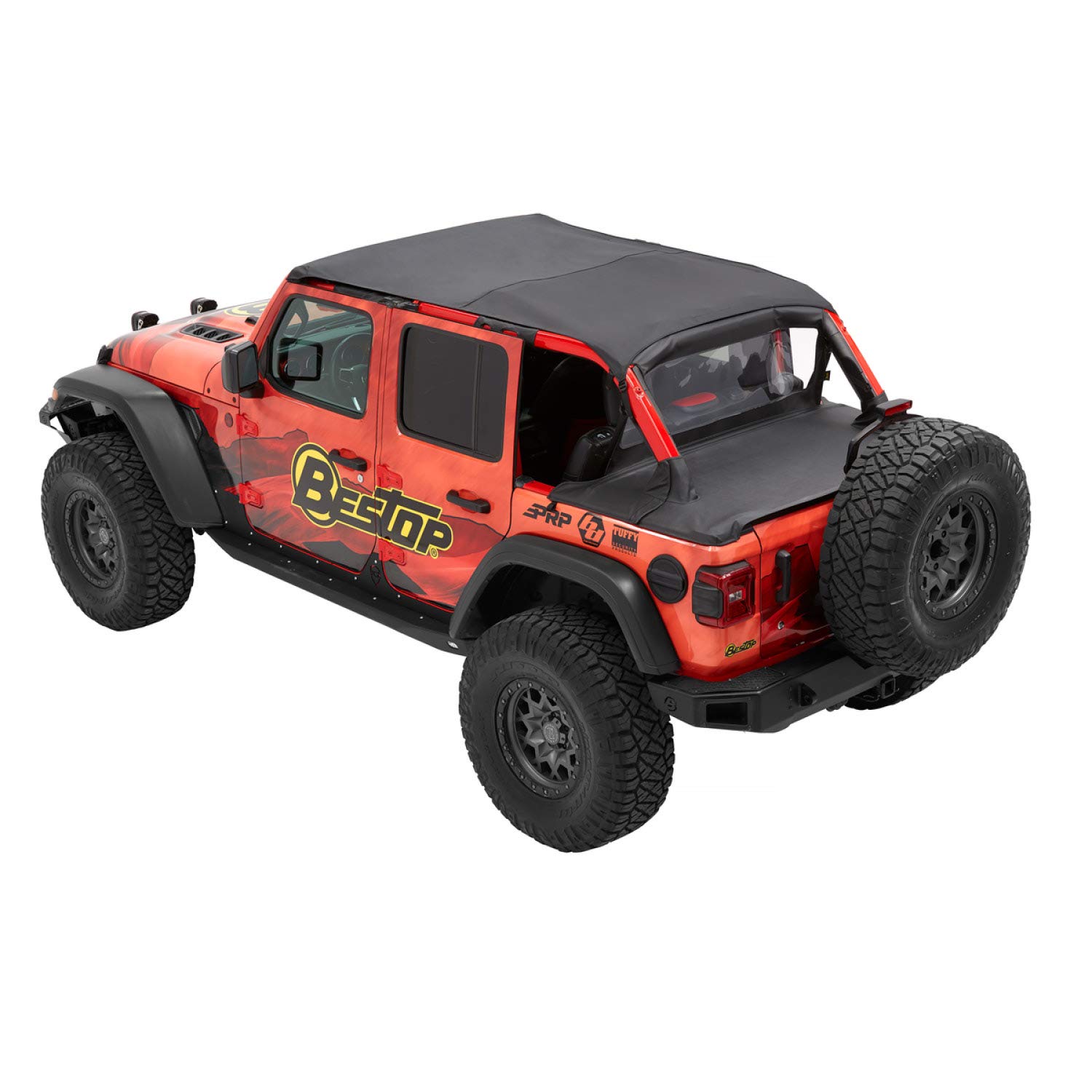
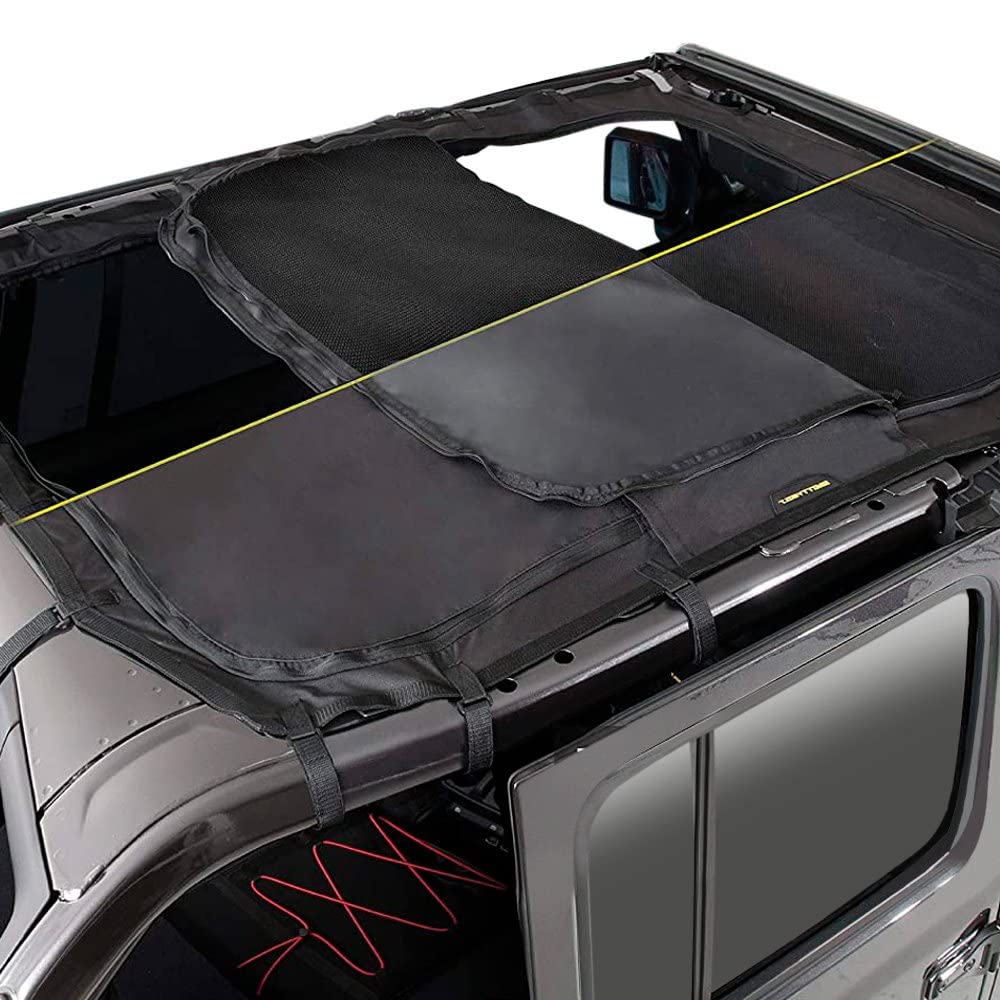
Three formats for JL and JLU owners — fold-back, frameless fastback, and shade-only coverage. Every link goes to Amazon.
See all tops and covers →

What you gain with each replacement

The three most-recommended replacement tops for a doors-off JL or JLU differ more than brand preference. They represent real tradeoffs that matter depending on how you actually drive.

The Bestop Sunrider for JL is the fold-back option with the clearest rear window in its price range. The rear window rolls down instead of unzipping, which matters when your old top's window has been clouded and cracking for a year. The whole top folds toward the rear without removing any hardware from the Jeep. If you go doors-off regularly and want to open things up without a wrestling match, this is the most operationally clean option in the category. Confirm JL or JLU fitment before ordering — the JK Sunrider is a different part number and will not fit.

The Voyager Fastback (Rugged Ridge) is a frameless design that sits lower than the factory profile and installs in an afternoon without drilling. It is lighter than a framed top and a step down in price from the Sunrider. Rear visibility is good without the roll-down mechanism. If budget is a real constraint and you want cleaner looks over premium mechanics, this is the middle option that earns its place.

The Smittybilt Shade Top is not a full enclosure. It is overhead coverage only — no rear window, no full panels, no weather sealing worth mentioning. For doors-off driving on clear days from spring through fall, that is the most honest setup available. Nothing to zip, nothing to fold, nothing to maintain, and no pretense about sealing out a storm you should not be in with the doors off anyway. Check the forecast before you head out.

Jeep Wrangler with soft top folded back under open sky
A doors-off build puts more cycles on the fabric than most owners track until something fails.
STRAIGHT ANSWERS

Soft top FAQ.

How long does a Jeep soft top last?
Five to ten years under average use, closer to five to seven for owners who fold and stow the top most weekends and drive doors-off regularly. The main variables are UV exposure, how often the fold-and-stow cycle runs, and whether you treat the vinyl and zippers seasonally. Factory OEM tops and quality aftermarket tops age at roughly the same rate under identical conditions.
Can I replace just the rear window instead of the whole top?
If the rest of the top is structurally sound, yes. Replacement rear windows are sold as individual panels for most JK and JL top configurations and vary in cost depending on the model. It is worth doing when the window is the only real failure point and the fabric, seams, and zippers still have reasonable life left.
What causes soft tops to crack and degrade faster?
UV is the main driver. The vinyl and treated fabric on most soft tops breaks down under repeated sun exposure, and the damage accumulates faster at fold creases where the material flexes repeatedly. Storing the top folded in direct sun for extended periods, skipping UV protectant spray, and folding a wet top for days at a time all shorten the timeline.
How do I know if a zipper is worth fixing or done?
A zipper that binds in cold or dry conditions but closes cleanly after wax is applied to the teeth is salvageable. A zipper with bent or missing teeth, or a track that has warped away from the channel, will not hold a seal in rain regardless of what you apply. Once the track is deformed, it is a replacement problem, not a maintenance one.
What is the difference between the Bestop Sunrider and the Voyager Fastback for JL?
The Sunrider uses a roll-down rear window with no zipper and folds back without removing hardware from the Jeep. The Voyager Fastback is a frameless design that sits lower and costs less, with a zipped rear window. Both install without drilling. The Sunrider is the better pick if rear-window clarity is the primary pain point from your old top. The Voyager is the better pick if budget is a real constraint and you want cleaner looks over premium mechanics.
How do I prevent mold on a soft top?
Let the top dry fully before folding it back. This is the one that matters most. The fold traps moisture in the backing material, and a top that goes into the fold wet and stays that way for days will mold at the creases and along the header seam. Surface mold responds to dilute white vinegar and a soft brush. Mold worked into the seam backing is not a cleaning problem.
Is it worth replacing with an OEM top or going aftermarket?
Aftermarket is the better call in almost every case when the OEM top is already done. The Bestop Sunrider, Voyager Fastback, and similar options are built around the fold-and-stow patterns of a doors-off ownership cycle. OEM replacements from the dealer cost more than comparable aftermarket options for no practical advantage.
What is a shade top and does it replace a soft top?
A shade top is overhead fabric coverage without panels, windows, or weather sealing. It does not replace a soft top in any weather-protection sense. For doors-off driving on clear days, it is the most minimal and lowest-maintenance option you can run. If you are already going out without doors, you have committed to the open air. A shade top keeps the direct sun off you. Check the forecast before you go.

General guidance for Wrangler and Gladiator owners. Not professional automotive repair advice. Fitment varies between JK, JL, and JT generations and between two-door and four-door configurations. Confirm your specific model and year before ordering any replacement top.

TIME TO REPLACE

Top is done.
Get a better one.

When the seams are lifting and the zippers are skipping, the repair math catches up fast. Pick the top that fits how you actually drive, then check the sky before you go out.
Muddy Jeep Wrangler on a trail

Top is done.
Time to upgrade.