As an Amazon Associate we earn from qualifying purchases. Every buy button leads to Amazon.As an Amazon Associate we earn from qualifying purchases.Full disclosure →Disclosure →
GUIDE / HAND & ARM PROTECTION

Shirt optional.
Sun sleeves aren't.

Pull the doors off a Wrangler or Gladiator and your left arm goes straight into full side sun with no door glass, no A-pillar shadow, and nothing between your forearm and whatever the road or trail sends its way. Here's the gear that fills the gap.

PART OF THE OPEN-AIR LIFE SHELFSee all 11 guides →

Three hours of doors-off driving in direct sun will burn forearms most drivers don't even notice baking. The breeze keeps you comfortable; the UV index does not care. Sorting the hand and arm layer takes five minutes and fixes the problem for every run after.

Why arms take the hit doors-off

The factory door does more than keep passengers in. The door glass blocks a real slice of UV on the driver's side. The A-pillar casts a shadow stripe across your left arm for most of a morning drive. The door panel creates a windbreak that keeps debris and blown grit off your forearm at speed.

Without the door, your left arm gets direct side sun for the entire drive. On a JL or JT with the hardtop panels pulled and no shade top, there is no overhead cover either. The driver's left arm, the backs of both hands on the steering wheel, and any exposed wrist between glove cuff and sleeve take that load for the full run.

What makes it harder to notice: the constant airflow keeps you comfortable. You don't feel the heat building because the breeze pulls it away. Three hours in, the forearms are red and the backs of the hands are burned, and the driver felt fine the whole time. It's one of those doors-off problems that shows up after the fact.

On the trail, add flying debris. At 15 mph on a rocky two-track with brush alongside, bare forearms get hit by gravel, small branches, and dust the whole time. Gloves and a sleeve turn that from a nuisance into a non-issue.

Sun sleeves: why UPF beats SPF on a long run

The case for a UPF-rated sun sleeve over sunscreen alone comes down to consistency. SPF 50 applied correctly gives about two hours of protection on average, and most people don't apply enough for the label rating to hold anyway. A UPF 50+ sleeve blocks 98% of UV for as long as you wear it. No reapplication, no missed spots, no sweating it off.

  • UPF 50+: the standard to shop for. Blocks 98% of UV. Most sun sleeves and sun hoodies aimed at outdoor sports hit this rating.
  • Sleeve vs. full shirt: arm sleeves let you push them down when parked and put them back when you're moving. A long-sleeve UPF shirt is simpler and covers the neck and shoulders too, both of which take direct side sun with the doors off on the driver's side.
  • Moisture-wicking fabric: more relevant than it sounds. A damp cotton shirt in direct sun is heavier, clings, and takes longer to dry. Synthetic sun fabrics dry in minutes and don't hold sweat against your skin.
  • Thumb loops: keep the sleeve from riding up and leaving the back of the wrist exposed. Worth checking if you're buying arm sleeves rather than a full shirt.

On the finger coverage question: standard arm sleeves stop at the wrist. The backs of your hands get direct sun on the steering wheel for the whole drive. Pair sleeves with gloves, or apply SPF to your hands before you leave. Don't forget the back of the neck if you're running without an overhead top.

DRESS FOR IT

Hats that won't fly

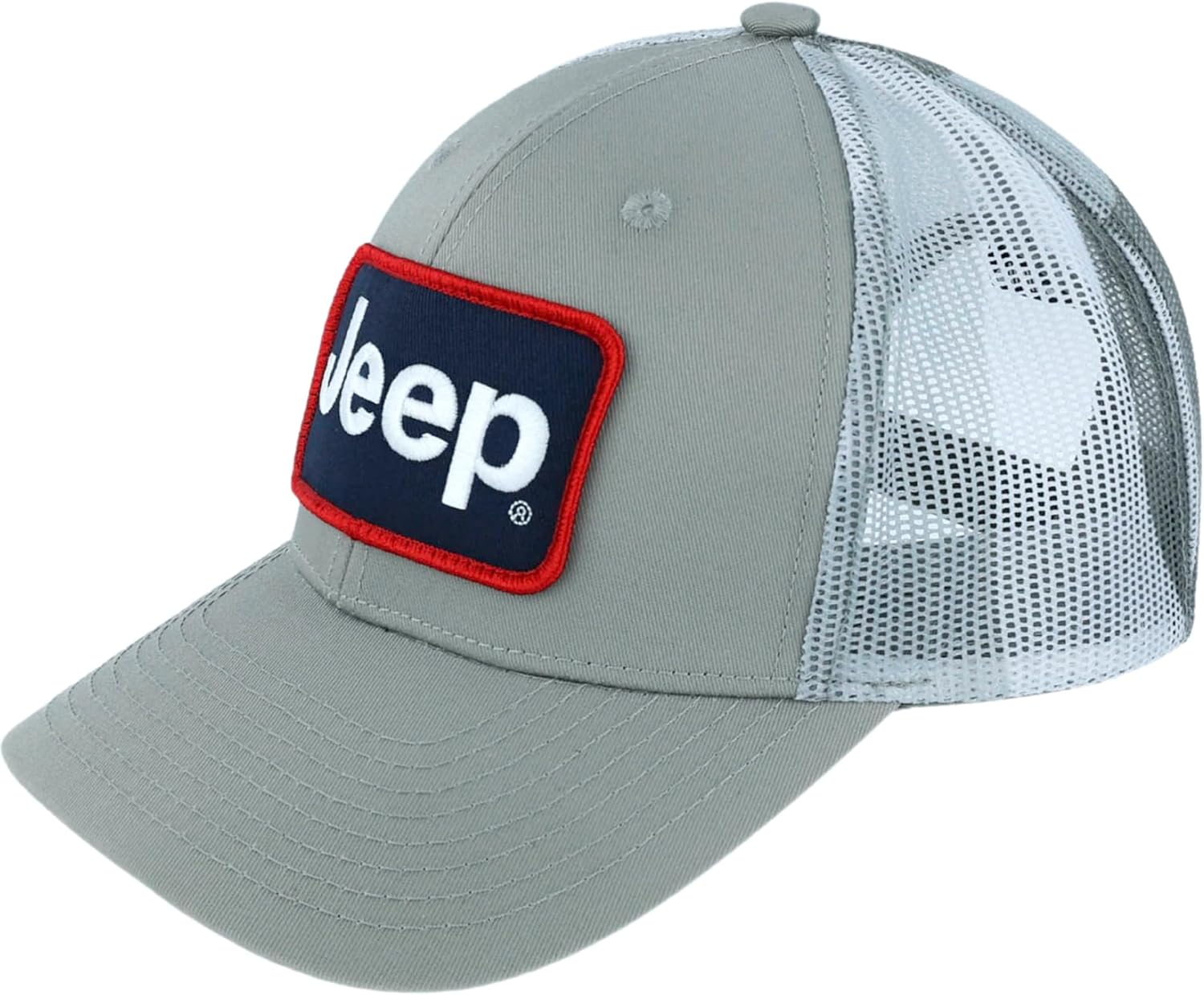
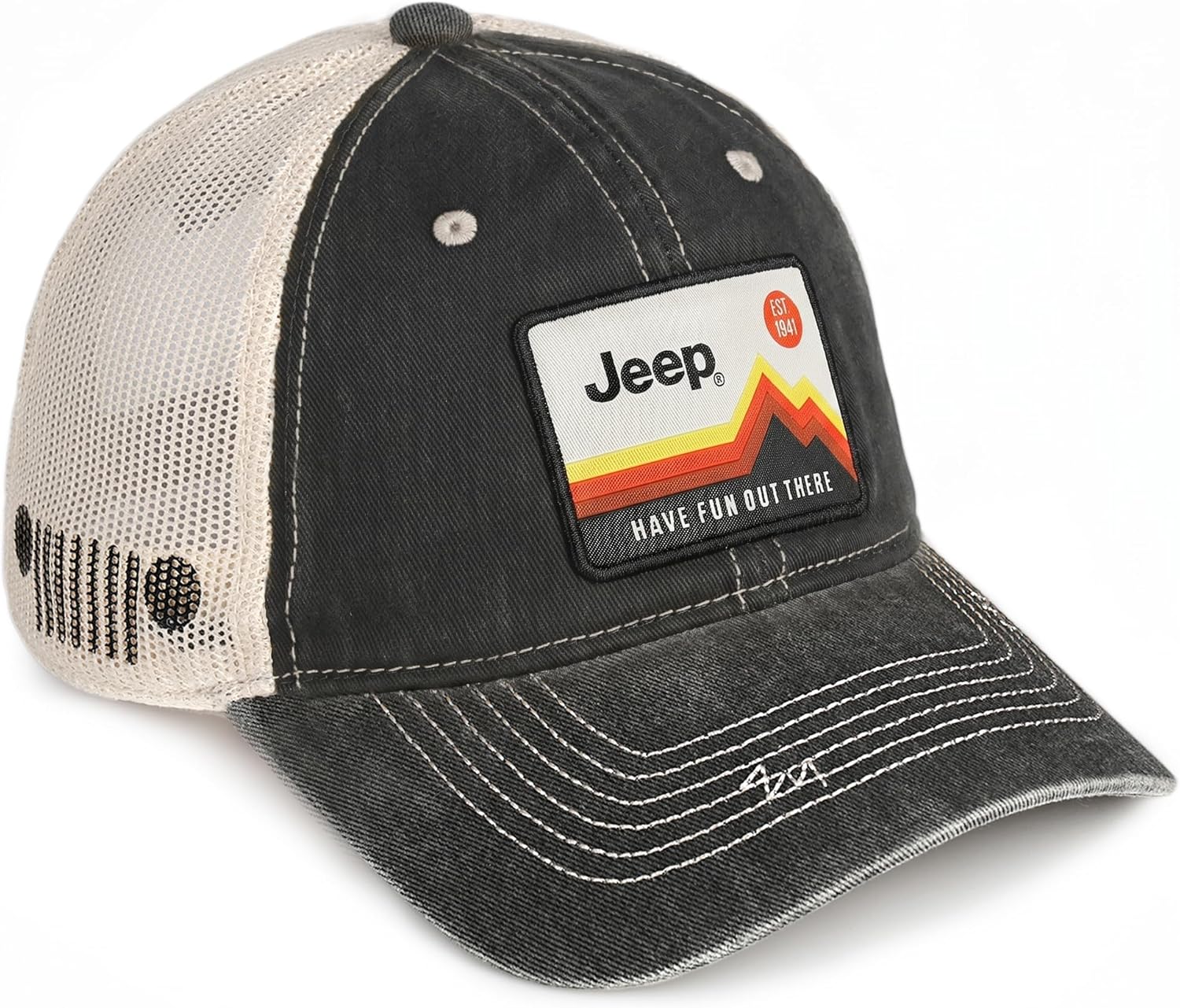
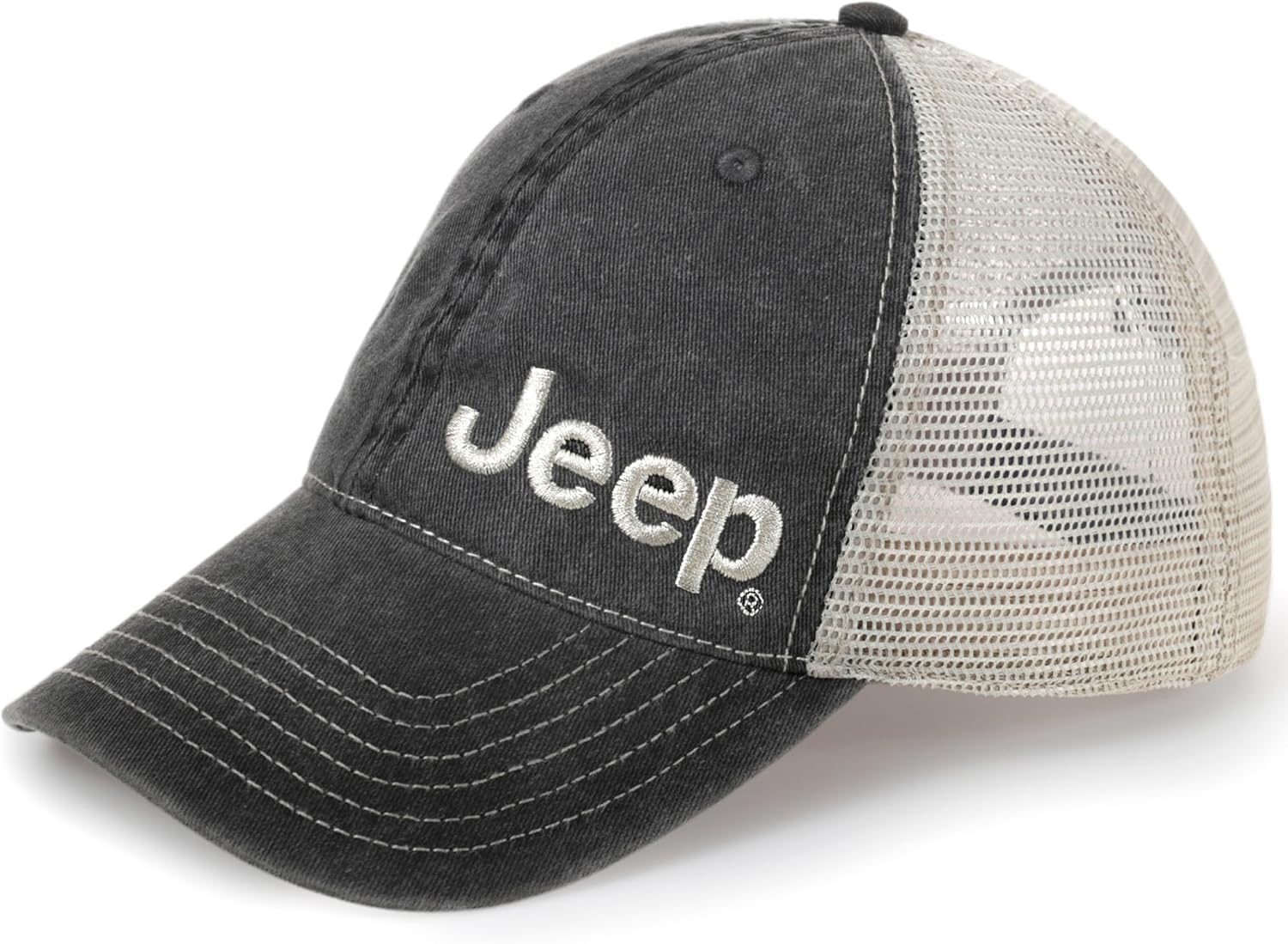
Sun protection runs from the top down. A structured trucker hat worn brim-forward stays put at highway speed and cuts the overhead and forehead angle. Pair one with a UPF sleeve and you have the face-and-arm problem handled before you start the engine.
See all apparel →

Fingerless vs. full gloves: which to run

The choice between fingerless and full-finger gloves comes down to what you're doing with your hands that day.

  • Fingerless gloves: the default for highway and light trail use. Tactile feedback on the steering wheel stays intact, you can use your phone and GPS without taking them off, and ventilation is better in summer heat. The backs of the hands get UV and debris protection; the fingertips don't, which matters on long days in strong sun.
  • Full-finger driving gloves: the better call for active trail driving and dusty conditions. A thin leather or synthetic full glove keeps grit out of the knuckle joints and protects the whole hand when debris is a real factor. Lightweight options designed for motorsport driving have enough feel for steering inputs without the bulk of a work glove.
  • Work gloves: overkill for road use, but genuinely useful for technical trail driving where hand-over-hand on rough terrain means knuckle exposure. If you're doing real off-road driving with a hand on a roll bar or clearing trail brush, full protection earns its place.

Fit matters more than brand here. A glove that's too thick changes your steering feel; one that's too loose shifts on the wheel and creates hot spots. Thin leather or thin perforated synthetic is the right range for road and easy trail use. Save heavier options for when you're pushing through technical terrain.

On the JK specifically: the grab handles mounted to the roll bar are within reach of a passenger's arm on rough trails. Running sleeves and gloves on rough terrain means less bouncing debris reaches bare skin from the side as well.

The shoulder season: when wind chill enters the picture

October through November and March through April are when doors-off shifts from sun management to temperature management. The math changes fast: at 55 mph on a 50-degree day, wind chill drops the effective temperature to roughly 38 to 40 degrees. That's cold enough to numb bare hands in 20 to 30 minutes and make forearms genuinely uncomfortable within the first hour of driving.

What changes compared to summer:

  • Gloves shift from sun protection to warmth: a thin driving glove is no longer enough. Insulated gloves or layered glove liners keep hands functional on cold morning runs. If you can't feel the steering wheel properly, the grip suffers before the discomfort registers.
  • Sun sleeves stop making sense: a mid-layer under a shell jacket handles the arm problem better in shoulder-season temps. The wind is the driver now, not UV, and a thin synthetic sleeve doesn't block wind the way a jacket does.
  • The morning-to-afternoon swing: a common shoulder-season trap. A 9am start at 45 degrees warms to 65 by noon. Pack a layer you can shed mid-run, not just what you need for the cold start.

The doors-off forecast tool accounts for wind and temperature in its daily call, which helps with exactly this planning. On borderline days, wind speed matters more than the temperature reading alone.
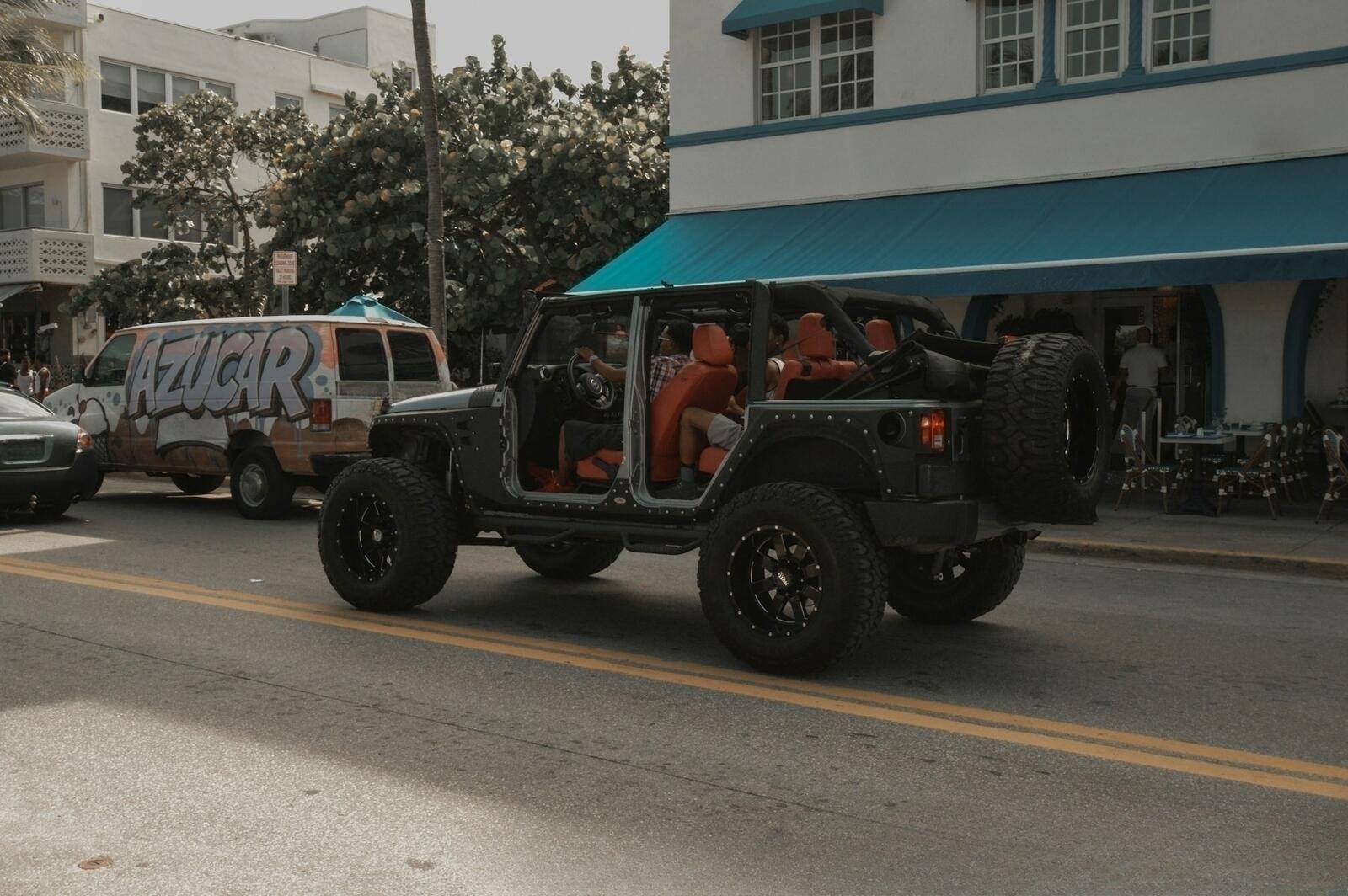
Jeep wearables and apparel laid out for a doors-off day
The arm layer. Work out from the shoulder.
STRAIGHT ANSWERS

Hand and arm protection FAQ.

How bad does a forearm burn get on a 3-hour doors-off drive?
Worse than most people expect the first time. Without door glass blocking the side sun, the driver's left arm gets three hours of direct UV from the side while both hands on the steering wheel take overhead exposure. SPF 15 to 30 applied once at the start is typically gone before the 90-minute mark. A full UV-day forearm burn takes a few days to settle. A UPF 50+ sleeve or properly applied SPF 50 (reapplied every two hours) prevents it entirely.
Do sun sleeves make your arms hotter in summer?
Counterintuitively, no, if you buy the right ones. A lightweight, moisture-wicking UPF fabric keeps arms cooler than bare skin in direct sun on long runs. Direct solar radiation heats skin faster than a thin, breathable UV-blocking fabric does. Cotton sleeves trap heat; UPF-rated synthetics designed for outdoor sports don't.
Can I legally wear gloves while driving?
No U.S. state has a general prohibition on wearing gloves while driving. Some states require that controls be operable with normal hand function, which a well-fitted driving glove meets easily. Confirm your state's vehicle code if you're in doubt. We're enthusiasts, not lawyers.
Do fingerless gloves affect steering feel?
Minimally, when they fit well. The palm and finger-base contact is where steering feedback lives anyway. A thin fingerless glove barely changes the feel versus bare hands. A thick or ill-fitting glove shifts on the wheel and changes your grip mechanics more than any loss of feel.
What's the minimum setup for a quick 1-hour summer run?
SPF 50 on hands and forearms, applied before you leave. A hat worn forward if you're going highway speed. That handles the worst of the exposure for a run under 90 minutes. For anything longer, add the UPF sleeve, because SPF needs reapplication at the 90-minute to 2-hour mark and most people don't stop to do it.
How cold does 55 mph feel with the doors off?
Wind chill at 55 mph drops the effective temperature by roughly 15 to 20 degrees Fahrenheit compared to ambient. At 50 degrees ambient, that's a 30 to 35 degree effective temperature on exposed skin. Bare hands numb in 20 to 30 minutes at that range. Below 45 degrees ambient, plan for insulated gloves on a doors-off highway run, not just driving gloves.
Does a shade top help with the arm problem?
For overhead sun, yes. A shade top blocks direct sun from above and reduces total UV load on the cabin. It doesn't address the side-sun angle that hits the driver's left arm directly, or the hands on the steering wheel. The full answer is a shade top plus arm coverage, not either one alone.

General guidance for Jeep Wrangler and Gladiator owners, not medical or legal advice. Sun exposure risk, wind chill, and local driving rules vary, so confirm your own conditions and your state's vehicle code.

COVER UP

Shirt optional.
Forearms aren't.

Sort the layer before the run, not 90 minutes in when the burn is already starting. Check the forecast for wind chill and UV index before committing to a doors-off day.