Leaves out.
Doors off.
A winding mountain road, aspens or maples lit up across the hillside, not a door in sight, and your Stanley still hot two hours in. That run exists. It takes about thirty minutes of prep the night before and a rough sense of when the color actually peaks in your region.
Fall gives you some of the best doors-off riding of the year and some of the fastest-changing weather. Timing is the first fix. Cargo is the second.
When to go, by region
Foliage timing shifts by region, by elevation, and by how warm the weeks leading up to it ran. These windows are the reliable center of the bell curve at the elevations people actually drive.
- Northeast (Vermont, Maine, New Hampshire): Higher elevations in the Green and White Mountains typically peak the third week of September. Lower valleys follow in early October. The color window at any given spot runs about ten days before the leaves drop and the view is mostly bark and mud. Check a live tracker the week before, not just the month before.
- Appalachians (Blue Ridge, Smokies, Shenandoah): The Blue Ridge Parkway gives you a mobile color window you can drive along. Higher sections near Asheville peak around early October; lower Virginia sections hold into late October. Skyline Drive in Shenandoah typically hits mid-October. The Smokies push later, sometimes into early November at lower elevations.
- Rockies (Colorado aspens, Wyoming, Utah): The fastest and most intense window of any region. Colorado aspen groves turn gold in late September, and a single early hard freeze can end it in forty-eight hours. Target the last ten days of September through the first week of October. Kebler Pass near Crested Butte, the Million Dollar Highway south of Ouray, and the roads around Aspen are the benchmarks.
- Pacific Northwest (Oregon Cascades, Washington Cascades): Vine maple and big-leaf maple give you October color at mid-elevations; lower valleys push into November. More variable than the eastern windows and reliably wetter. Factor in your top situation before you leave, not after you are already up the mountain.
Most state tourism boards run live foliage trackers during peak weeks. A ten-minute check the day before beats a two-hour drive to bare branches.
How fall changes the plan
The shift that catches first-timers is the temperature swing. A mountain road at 7 a.m. in early October can sit in the mid-30s Fahrenheit. The same road at noon is 60. If the run goes long enough, you are going to feel both ends of that range.
Three things change doors-off riding as the calendar turns toward peak color:
- Morning windchill: Windchill at 45 mph on a 38-degree morning reads around 26 to 28 degrees Fahrenheit. A warm base layer and a midlayer are not optional on an early start. They stay in the cargo even on a clear-forecast day, because mountain forecasts are approximations.
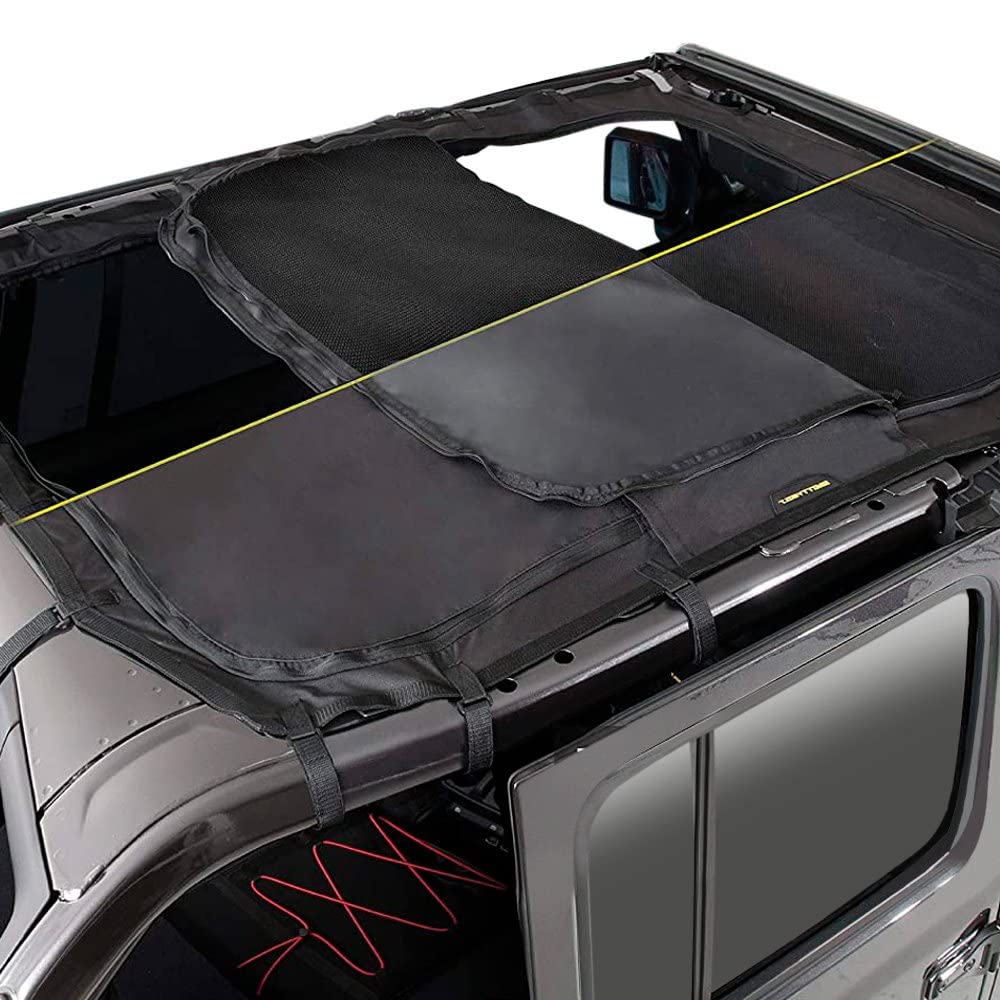
- Fast-moving rain systems: Fall weather patterns push fronts through faster than summer. A clear 8 a.m. can produce a real shower by early afternoon, especially at elevation. A shade top or folded soft top in the cargo area turns a wet forced retreat into a five-minute stop and a continued ride.
- Early dark: On a mountain pass in late October, last good light is around 5:30 p.m. Plan your turnaround time around what the road looks like in the dark, not what it looked like when you left the trailhead lot.
Tops worth having folded in the cargo
A shade top or soft top that lives in the cargo bay until the sky changes. Every link goes to Amazon.
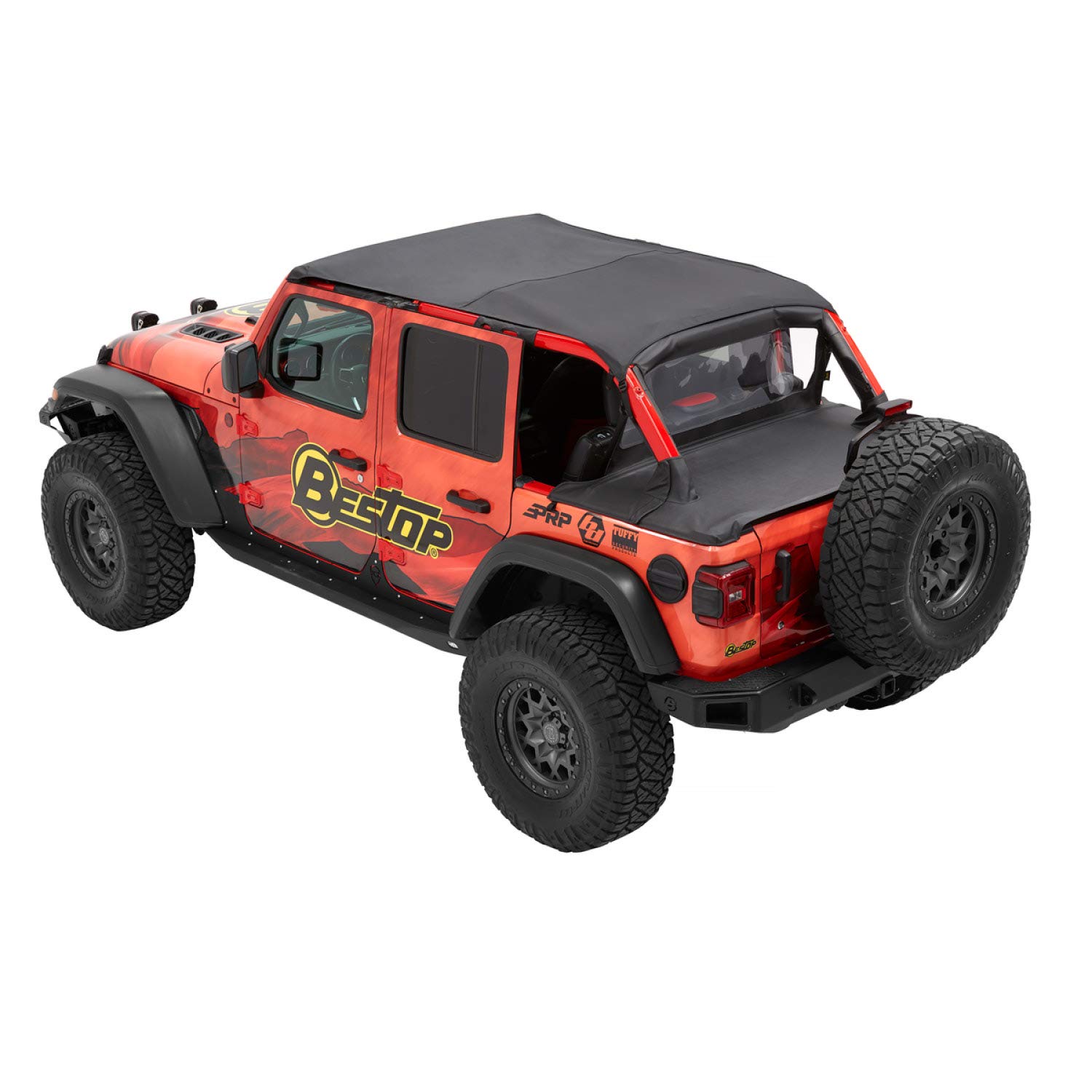
Rugged Ridge Voyager Frameless Soft Top

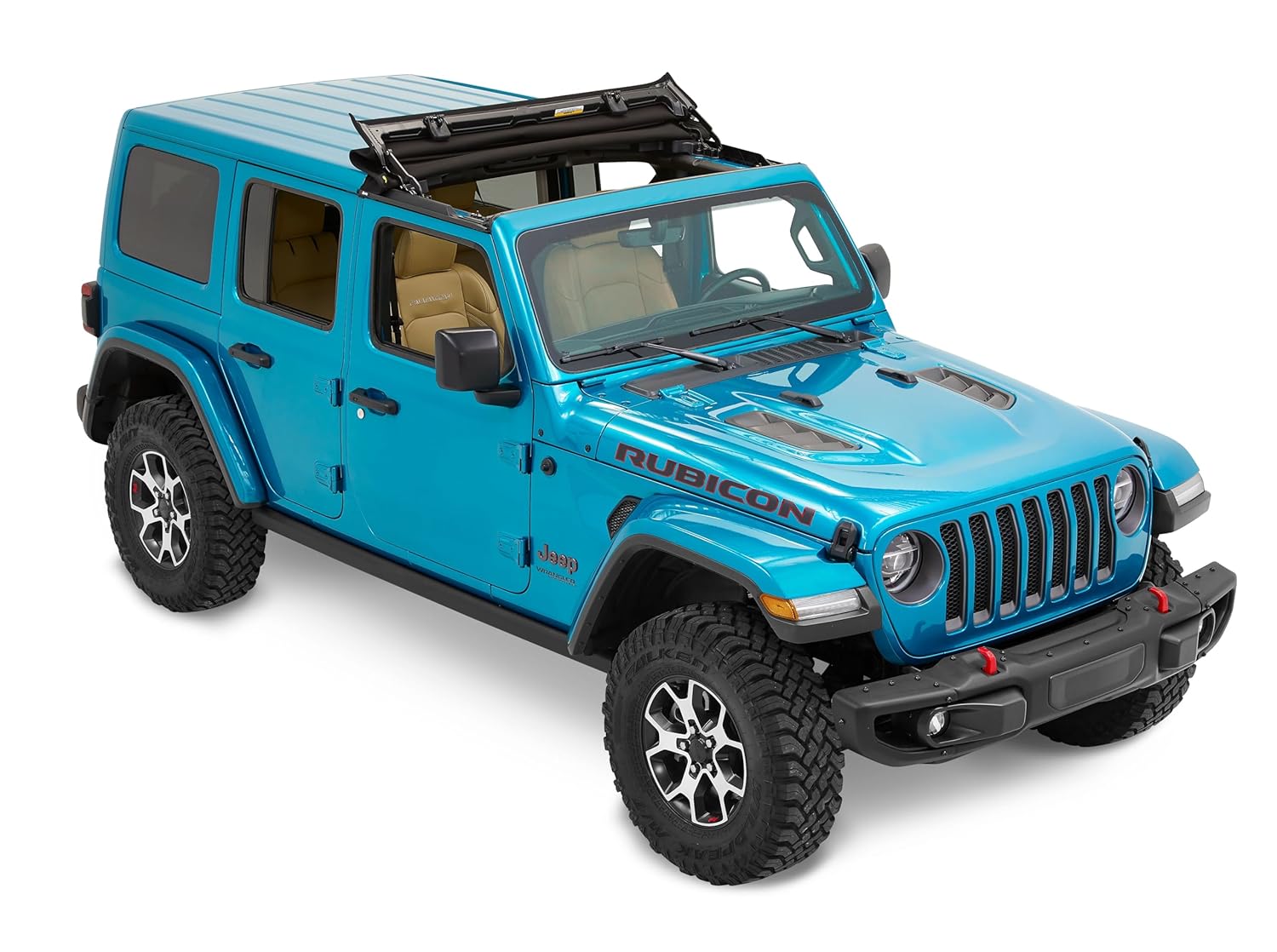
Bestop Sunrider for Hardtop
What to pack
The goal for a day-trip fall run is a cargo bay that goes from parked to moving in under five minutes and can deal with a weather change without forcing a turnaround. Here is what earns its space:
- A folded backup top. A shade top or fastback folds to roughly the size of a duffel bag. It lives on the cargo liner until you need it. Getting it on in a parking lot takes about ten minutes on a JL once you have done it once. Do not leave it in the garage because the forecast looked good at home.
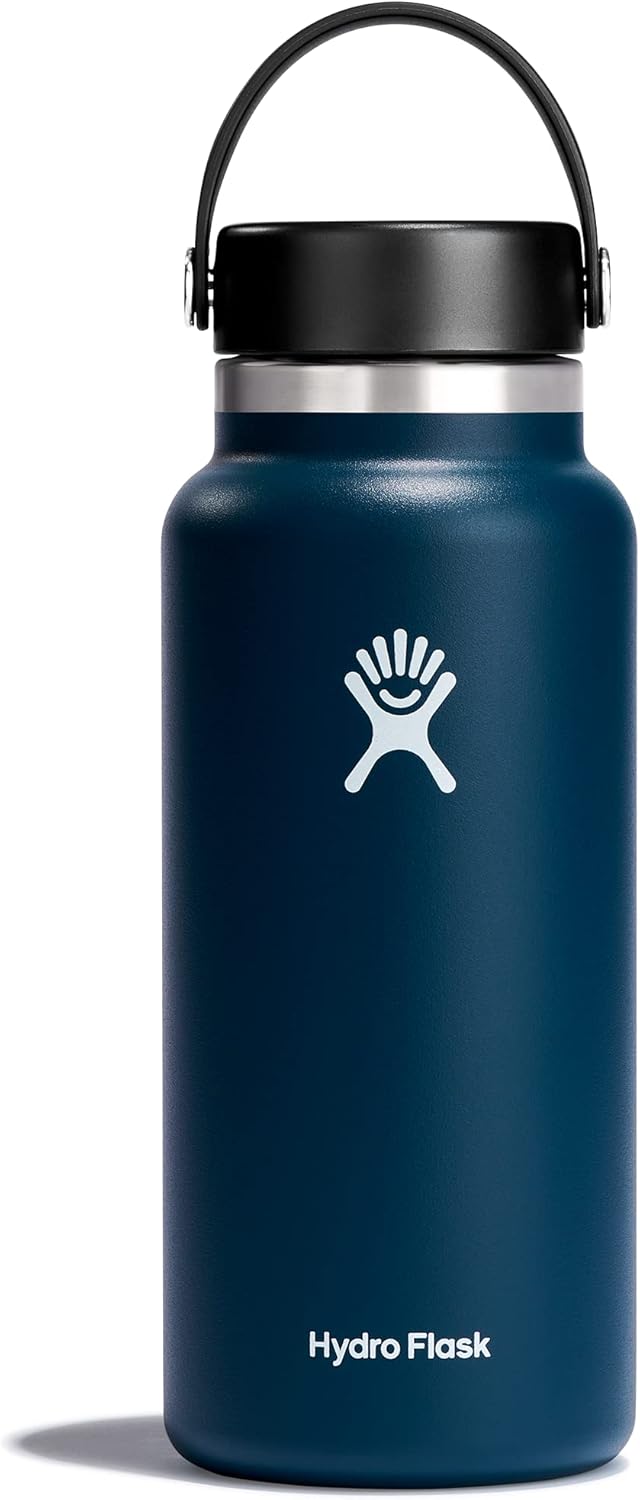
- An insulated bottle, filled before you leave. Mountain gas stations at 7 a.m. in October are a gamble. Fill your thermos at home. A real vacuum bottle keeps coffee hot for a two-hour mountain run. Nothing at the summit parking lot will come close.
- A day pack with your layers. A fleece or lightweight down, a packable rain shell, a warm hat, and thin gloves. All of it fits in a 25- to 30-liter pack. The pack also carries your lunch and camera so nothing rattles loose in the open cargo bay.
- A dry case for your phone. Optional when the forecast is clean. Worth including in the Pacific Northwest and anywhere a shower is plausible.
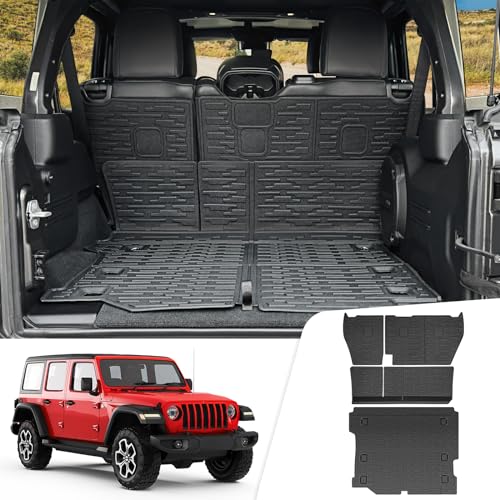
A cargo liner keeps mud and wet gear off the floor. A wheel-well bin gives you a spot for the small stuff that would otherwise slide around every switchback.
Insulated drinkware for cold mornings
Fill it at home. A real vacuum bottle keeps your coffee hot to the summit and back. Every link goes to Amazon.
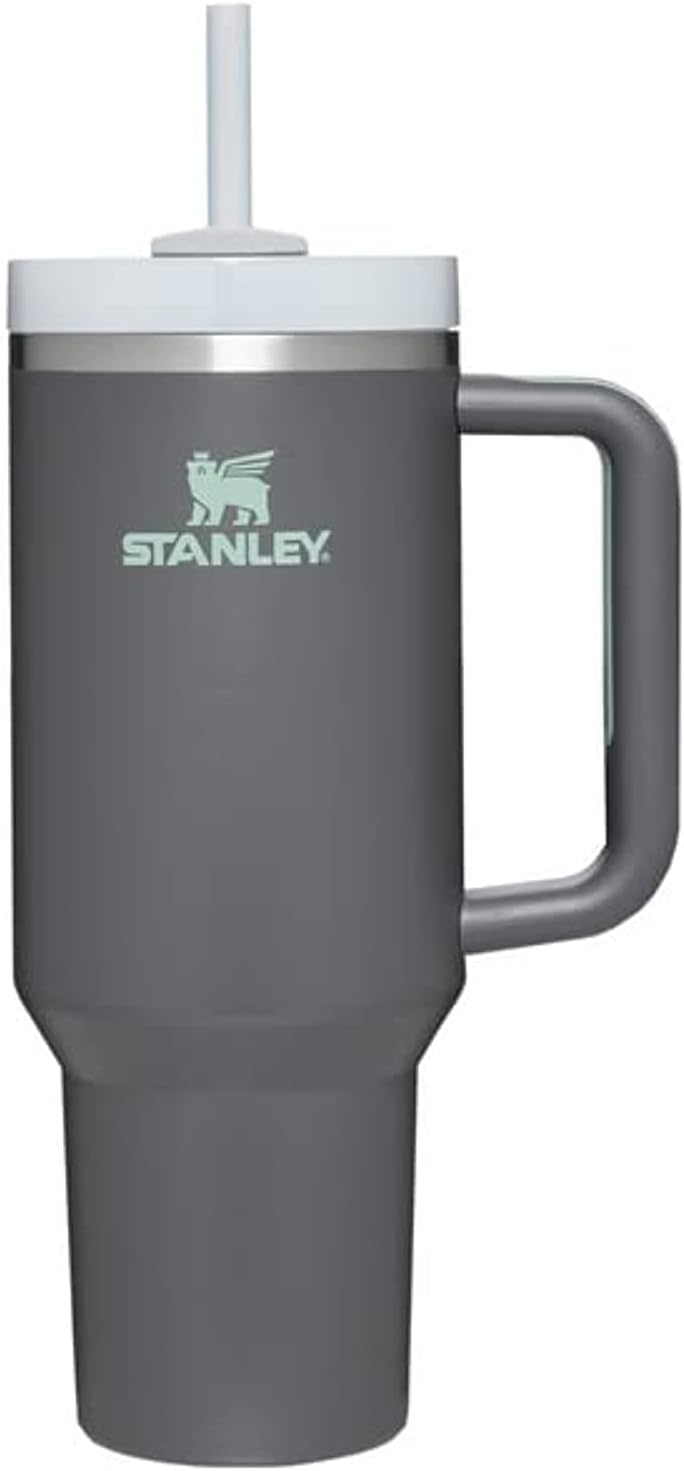
Stanley Quencher H2.0 FlowState 40 oz

Hydro Flask 32 oz Wide Mouth Bottle
Keep the back organized
A day pack, a liner, and a bin make the cargo bay faster to load and easier to work out of at the trailhead. Every link goes to Amazon.

WOLT Military Tactical Backpack (3-Day Assault Pack, MOLLE)

Jeep JL 4-Door Cargo Liner + Seat Back Protector

Jeep JL Rear Wheel Well Storage Bin (2024–2025)
Layering for open-air riding
Doors-off at 40 degrees and 45 mph generates windchill around 28 to 30 degrees Fahrenheit. At 55 degrees ambient, your hands and face are going to feel it on any long stretch of open ridgeline.
What works for actual fall riding:
- Warm base layer: Merino wool or a synthetic thermal. Cotton holds moisture and gets colder as you sweat. Skip it.
- Packable midlayer: A 100-weight fleece or lightweight down that fits inside your pack when you climb out. This goes on at the summit and comes off when you drop back to a lower elevation and warm up. It is the most-used layer of the trip.
- Rain shell: Packable, stuffed into its own pocket, tucked in the day bag. A fitted shell that stays put at 50 mph. A poncho is not a substitute for this.
- Warm hat and thin gloves: Your head and hands lose heat fast in an open cockpit. A fleece-lined beanie and midweight liner gloves weigh almost nothing and make a real difference on a cold descent.
JK owners have a smaller cockpit and a lower windshield than a JL or JT, which means more wind exposure at the driver's head. Add at least one layer to the above if you are running a JK.
Fall foliage run FAQ.
- When is the best time for a fall doors-off run?
- It depends on the region. Northeast (Vermont, Maine, New Hampshire): late September through mid-October at higher elevations, early October in the valleys. Appalachians and Blue Ridge: early through late October. Colorado Rockies aspens: last ten days of September through the first week of October. Pacific Northwest: October into November at lower elevations. Check a live foliage tracker the week before you go, since the peak window at any spot is about one to two weeks wide.
- How cold does it actually get with the doors off in fall?
- Colder than the ambient temperature suggests. Windchill at 45 mph on a 40-degree morning reads around 28 to 30 degrees Fahrenheit. A 55-degree afternoon feels like the mid-40s once you are moving on an open ridgeline. Plan for at least 15 to 20 degrees colder than the forecast temperature when the doors are off at highway speed.
- Do I really need to bring a backup top for a day run?
- For the Rockies and Pacific Northwest, yes. For the Northeast and Appalachians, it depends on how far you are from a bailout point and how confident you are in the forecast. A shade top or folded soft top in the cargo takes up minimal space and costs you nothing if the day stays clear. It costs you the rest of the day if it does not.
- What soft top fits in the cargo area for a JL?
- A shade top is the easiest option since it is lighter and smaller when folded. The Smittybilt Shade Top is a common JL choice for backup coverage without the bulk of a full soft top. The Bestop Sunrider folds forward and stays attached at the rear, so you are not carrying it in the cargo bay at all -- it is already on the Jeep.
- Should I bring a hat and gloves on a fall doors-off run?
- Yes. A warm beanie and thin gloves are the two pieces of gear people most often leave in the truck and spend the first hour of the drive wishing they had. They weigh almost nothing. Pack them even if you think you will not need them.
- What is the best insulated bottle for a Jeep run?
- The Stanley Quencher 40 oz keeps drinks hot long enough for a full mountain run. The Hydro Flask 32 oz is the smaller option if cargo space is tighter. Either one filled at home is better than whatever is available at a mountain gas station at 7 a.m.
- Can I go doors-off in the rain during fall foliage season?
- You can. But riding doors-off in the rain is a different experience than riding in the dry. If rain is a real possibility, a backup top in the cargo turns a forced retreat into a five-minute stop and a continued ride. Whether that is worth the cargo space is your call based on the route, the timing, and how much you want to push through a shower.
- Any JK-specific notes for fall riding?
- The JK's smaller cockpit and lower windshield position means more wind exposure at the driver's head than a JL or JT. Add at least one layer to whatever you planned. The JK door surrounds and soft top seals also get stiffer in cold weather, so if you are putting doors back on in the field, give yourself extra time and have a rubber conditioner in the cargo kit if the seals have been sitting since summer.
General guidance for Jeep Wrangler and Gladiator owners, not professional outdoor or weather advice. Mountain weather can change quickly. Check forecasts, road conditions, and any seasonal closures before you head out.
Open air.
Leave early.
The forecast is the first check. A backup top in the cargo is the second. The layers, the thermos, the day pack: that is a ten-minute pack the night before.