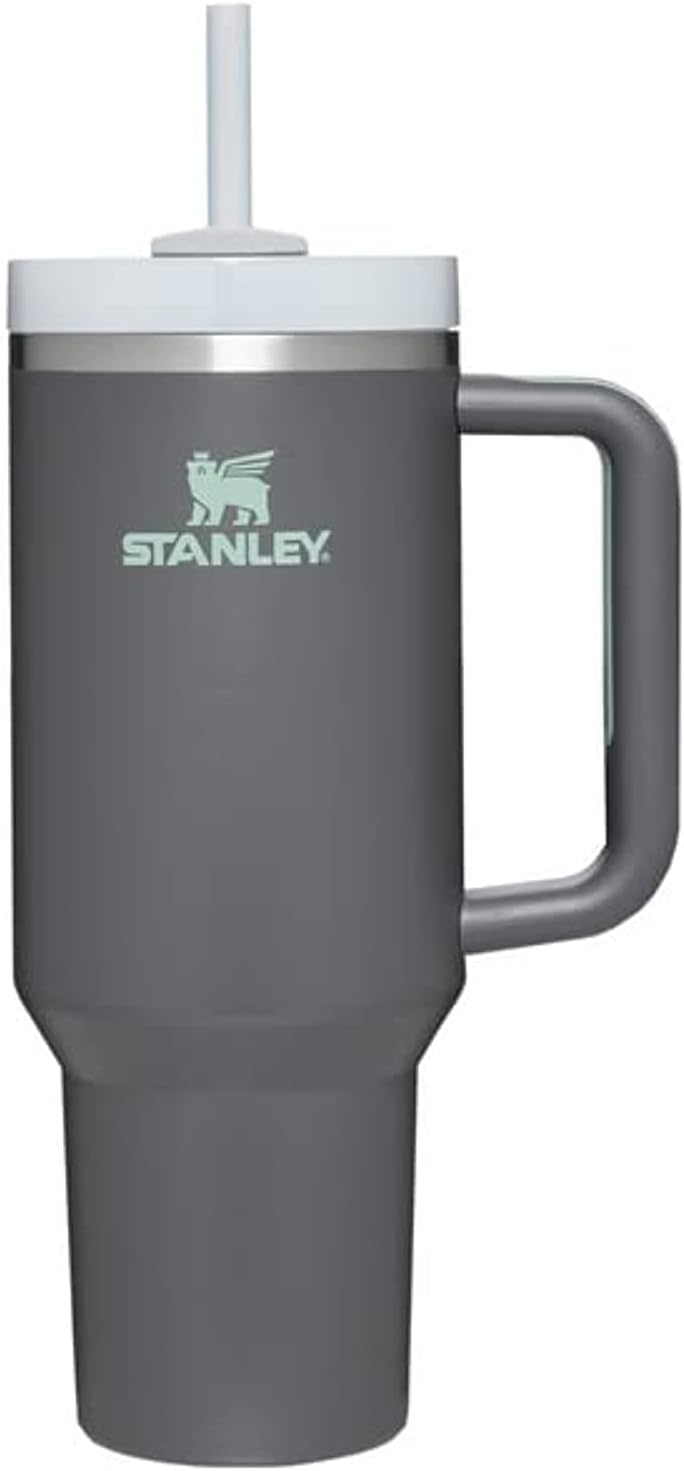
Stanley Quencher H2.0 FlowState 40 oz
Check price on Amazon
Buy →Sixty degrees sounds fine until you're doing 65 on the highway with no doors and no top. Wind chill at that speed turns 45-degree ambient air into something closer to 25 degrees on exposed skin. Here's what to wear, what to carry, and what to protect before you push the season.
Late-season doors-off runs are some of the best ones. Cool air, low humidity, thin crowds on the trail. But moving air at highway speed is its own weather system, and the gear list changes once the calendar flips.
A doorless Jeep at highway speed creates roughly the same wind exposure as a motorcycle. The NOAA wind chill formula makes it concrete: at 65 mph, 45-degree ambient air feels like about 25 degrees on exposed skin. Drop the ambient to 35 degrees and you're looking at something closer to 6 degrees. Those aren't rounding errors. They're the difference between a great fall run and one that ends at a gas station because your hands stopped working.
The math matters because it sets your planning floor. Before you leave, check the ambient temperature, then dress for what the moving air will actually feel like at your planned highway speed. The number on your phone's weather app is for standing still in the shade.
Standard outdoor layering works fine in a doorless Jeep, with one extra constraint: everything has to stay put at 65 mph. That rules out loose scarves, anything with an open front, and soft shells with unzipped flapping pockets. Here's what survives:
Neck and head lose heat fast. A neck gaiter stays put at speed; a scarf won't. A fitted beanie under a hood, or a lined buff that covers your ears, handles the top half. Gloves are non-negotiable below 50 degrees. Thin liner gloves give you full steering feel; thick ski gloves don't. Pick accordingly.
On JL and JT platforms, the doors reinstall in a few minutes once you know the routine. If you're running below 45 degrees and the trip runs longer than expected, that's a real option. JK doors are heavier and harder to rehang solo, especially cold-handed. Factor that in before you leave the driveway.
Wind doesn't only hit from the sides. At speed, cold air flows across the floor, through firewall gaps, and up from beneath. A bare Jeep floor does nothing to stop it. Neoprene seat covers cut wind from the seat side and block the chill that seeps through thin foam padding. A floor liner with tall sidewalls (not a flat mat) traps the draft from below and keeps wet, cold boots from cooling your feet through damp carpet.
The difference between sitting on bare fabric at 40 degrees and sitting on a neoprene-lined seat is noticeable in the first mile. If you're cold-weather running regularly, a seat cover is a bigger comfort upgrade than most people expect going in.
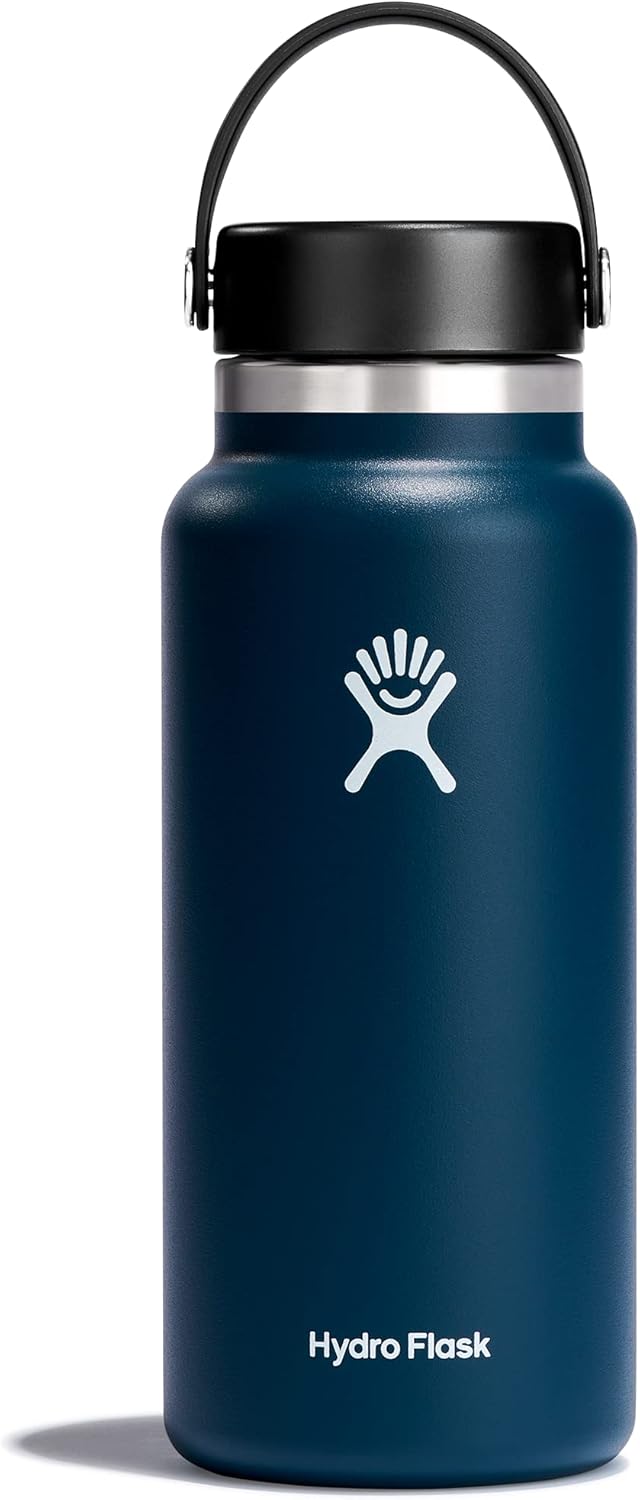
A vacuum-insulated bottle of hot coffee or tea is the cheapest heated-seat substitute in existence. Both keep liquids hot for 6-12 hours. Bring one, drink it slowly, repeat.
Disposable hand warmers (HeatMax, HotHands) are cheap, weigh nothing, and go in your pockets. Reusable catalytic warmers (Zippo, Peacock) cost more upfront but run hotter and last longer on a full run. Either type is worth having on a sub-45-degree day. Slip one into a glove or jacket pocket before you start; they take 15 to 20 minutes to come up to full temperature, not 15 seconds.
12V heated vests, powered off the accessory port, run all day without disposable warmers. Battery-heated vests (Milwaukee, DeWalt) work if you already own compatible batteries. Neither is mandatory for occasional use, but if you're regularly pushing into the 30s, heated core is the upgrade that changes the day more than any other layer.
Cold also raises the stakes if something goes wrong. A twisted ankle at a trailhead at 35 degrees is a different problem than the same ankle at 70 degrees. An IFAK with a space blanket and a change of dry clothes in a dry bag takes 30 seconds to pack and a lot of stress off the back half of the run. The survival kit doubles as a general trail kit year-round anyway.
A capable pack to carry the emergency gear you have checked and know how to use. Cold makes emergencies worse faster.

Soft-top vinyl gets brittle in cold weather. Below about 40 degrees, unprotected vinyl can crack at fold points, particularly on the rear window and the corners where the top folds against itself. Two things protect it: a vinyl conditioner applied before cold storage or use (303 Aerospace Protectant is the standard; it keeps vinyl supple and blocks UV at the same time), and proper folding technique.
Never force-fold a cold, stiff top. Let the Jeep sit somewhere warmer for 20 to 30 minutes first, or use a heat gun on a low setting to soften the fold points. The material will fold clean. Forcing it cold is how rear window panels crack.
Ice on rolled-up side windows is a separate problem. The clear plastic panels scratch easily, and zipper teeth crack when ice freezes into them. On sub-freezing nights, lower the side windows fully rather than leaving them partially rolled up, so there's nothing for ice to form in. Keep a small spray bottle of 70% isopropyl alcohol in the rig for ice on zipper pulls. It melts ice fast without damaging the plastic.
The JL's fold geometry differs from the JK's, and the JT's rear window is longer than both. Jeep includes a cold-weather folding note in the owner's manual for each generation. If you're uncertain about a fold point, that's where to look first.
When 30 degrees and a sleet forecast ends the debate, these go back on fast. All JL-fit. Some have JK equivalents from the same brand.
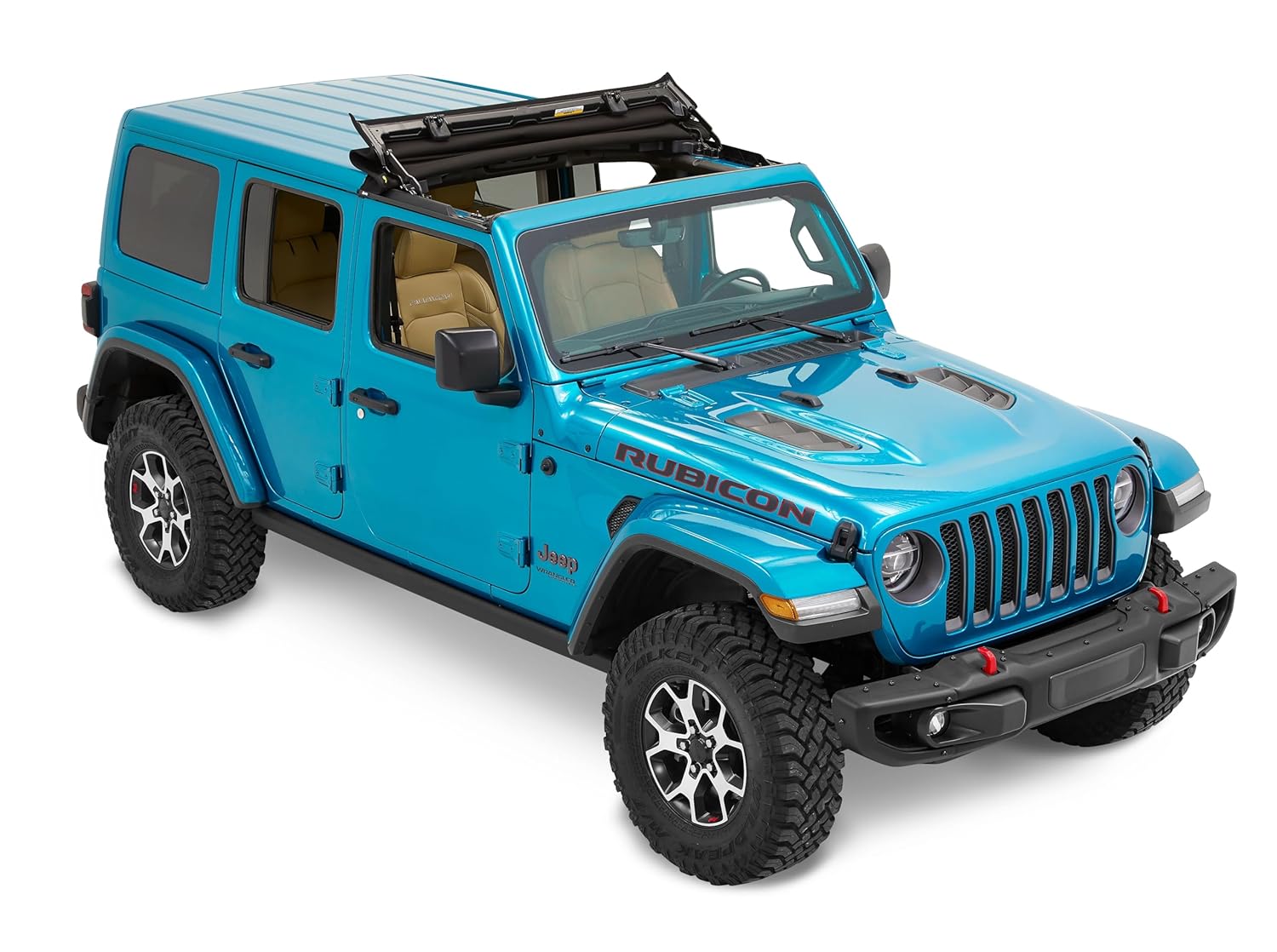
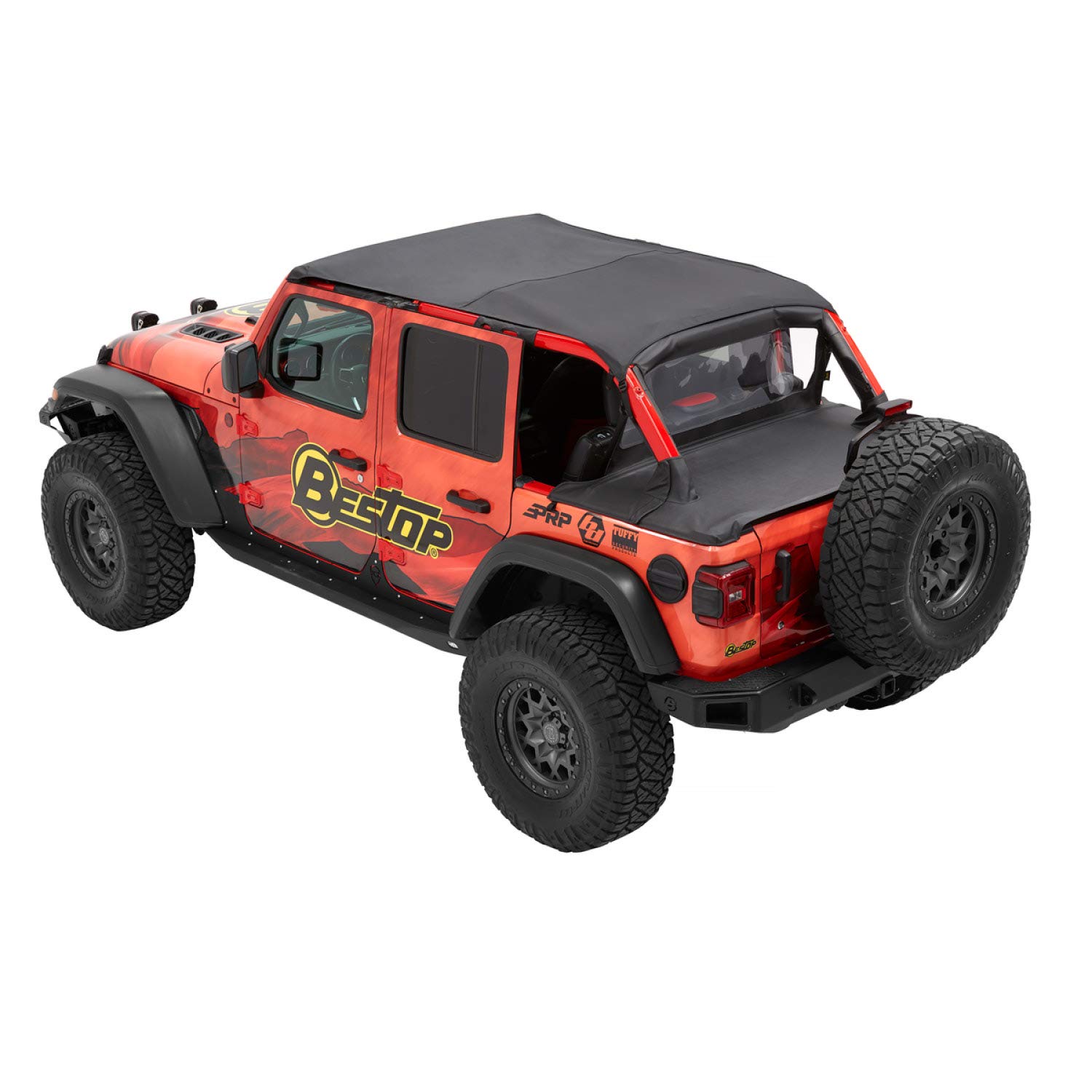
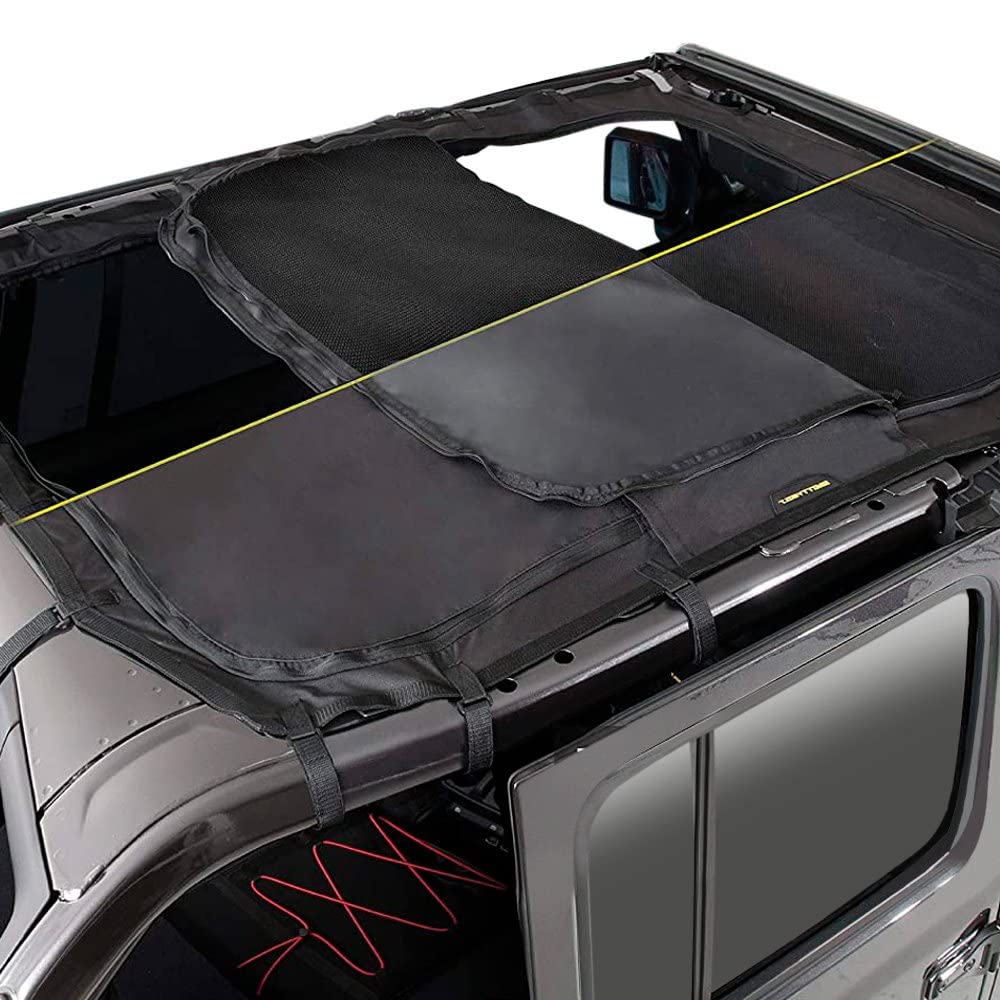
There's no wrong answer here, but the signals are clear. Rain in the forecast before you're back: top goes on. Below 32 degrees: top goes on. Temps dropping faster than expected: stop and put it back before your hands get too cold to manage the hardware. A hardtop Jeep handles cold-weather doors-off running more easily than a soft-top rig, because you still have a roof. Soft top stowed, doors off, 35 degrees, highway speed: that's a hard combination. Know in advance what your personal line is.
Cold also hits the battery. Starting a Jeep in 30-degree weather on a battery that's two or three years old is a different proposition than starting in July. Cold-soaked batteries lose 20 to 35 percent of their cold-cranking capacity, and that loss shows up on the mornings you'd least want it. If you're parking for a trail section in cold weather, keep the engine run time in mind and carry a jump starter. It takes up less room than you'd think and removes one whole category of problem from the day.
General guidance for Jeep Wrangler and Gladiator owners. Weather conditions, vinyl durability, and battery performance vary. Always confirm local road conditions and vehicle-specific requirements before running in cold weather.
Check the real wind-chill number before you roll, dress two layers past the thermometer, and let the forecast make the final call on whether today's the day.
