As an Amazon Associate we earn from qualifying purchases. Every buy button leads to Amazon.As an Amazon Associate we earn from qualifying purchases.Full disclosure →Disclosure →
GUIDE / BEACH & SALT

Sand in everything.
Still worth it.

A beach run in a doorless Jeep is one of the better ways to spend a day. Salt air does nasty things to hinges and hardware if you ignore it, sand finds every crevice in the interior, and the sun is considerably less forgiving without a roof in the way. Here is how to time a coastal run by coast, what the exposure costs you if you skip post-trip care, and a packing list that covers hydration, interior protection, and sun.

PART OF THE OPEN-AIR LIFE SHELFSee all 11 guides →

The coast runs are worth it. The rust and the sand damage that follow an ignored post-trip rinse are not. Set yourself up right and the Jeep stays healthy for the whole season.

When to run, by coast

Coastal doors-off season varies more than most people expect, because the coasts are different animals from each other.

  • Gulf Coast (FL, AL, MS, LA, TX): the longest season of the three. October through May is the sweet spot before summer heat and humidity peak. Gulf humidity makes the heat index nastier than the thermometer reads. Hurricane season runs June through November, and beach access closes or degrades when systems are tracking. Spring and fall runs are the reliable call.
  • Atlantic Coast (ME to FL): shoulder seasons are best. May through June, and September through October, cover most of the mid-Atlantic and Carolinas well. Florida's Atlantic side extends into April and November. New England is limited to late spring and early fall. Summer works on the calendar but crowds and beach parking enforcement make it a harder day.
  • Pacific Coast (CA, OR, WA): California works year-round in the southern half, where sea breezes keep summer heat manageable. Oregon and Washington are spring and fall propositions. Pacific marine layer season, roughly June through August, brings fog and cold marine air more than beach weather. Pacific coastal temps run cooler than the Atlantic at the same latitude, so pack a layer even in summer.

Beach driving access adds another layer. National seashores (Cape Hatteras, Assateague, Padre Island, Point Reyes) each have their own permit and vehicle requirements. Check before you show up.

What salt air and beach sand actually do

Salt is a corrosion accelerant. Sodium chloride in the air speeds up the oxidation process on bare metal, and a doors-off Jeep has a lot of bare metal exposed. The hinges the doors bolt to are the first concern, because they are designed to be covered by the door and do not have much protective coating on the inward-facing surfaces. The door striker and latch hardware on the body, the exposed wiring in the door aperture on JL and JT models, and any bolt heads or bracket hardware near the openings are all at elevated risk after repeated coastal exposure.

The damage timeline is not dramatic after a single run. It compounds. One unrinsed coastal trip will not ruin a hinge. A full summer of beach days without any post-trip care will leave you with seized hardware and surface rust by fall. The JL and JT in particular have aluminum-intensive construction that handles corrosion better than the steel-heavy JK, but the steel fasteners and hinge hardware are still vulnerable.

Sand is a different problem. It is not corrosive, but it is abrasive and it gets everywhere. The interior floor, wheel wells, and console all collect it. Sand that works into seat tracks can score them over time. Sand that piles up against rubber seals and gaskets accelerates wear. Beach sand is also finer than most trail sand, so it infiltrates more thoroughly and is harder to shake out once it settles.

PROTECT THE INTERIOR

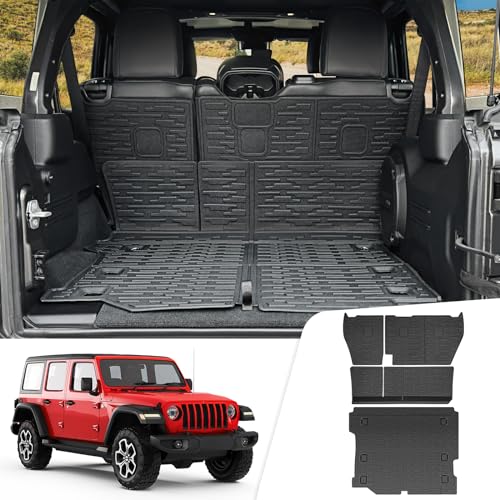
Cargo and interior protection for beach runs

A cargo liner and console organizer keep sand out of the carpet and trim. Worth it before the first trip.

See all storage and organization →

Post-trip care: the rinse-and-lube routine

The most important thing you can do after a coastal run is rinse the exposed hardware before the salt dries and sits. A garden hose or a coin-op car wash wand handles it fine.

  1. Rinse the hinges. Hit the door aperture area on both sides, the exposed hinge knuckles, and any hardware you can see. You are not washing the Jeep here, you are flushing salt off metal before it has time to work.
  2. Get the undercarriage. Sand packs into the wheel wells and suspension components. A spray-down from below clears it before it can work into joints and bushings.
  3. Dry and lubricate the hinges. Water-displacing lubricant on the hinge knuckles after they are clean pushes residual moisture out and leaves a light protective layer. A dedicated marine-grade lubricant holds up longer in high-salt environments if you are running the coast frequently.
  4. Vacuum the interior. Beach sand is fine enough that a shop vac or hand vacuum pulls most of it out before it migrates into seat tracks and trim gaps. Do this while it is still dry and loose. Once it gets wet again, it packs in and is significantly harder to remove.
  5. Check the door wiring. JL and JT models route wiring through the door aperture. Inspect the rubber grommets and connectors for any visible salt residue after the rinse. A quick application of dielectric grease on exposed connectors is cheap insurance for the long run.

None of this takes more than 20 minutes. Skipping it on a few consecutive runs is where the problems start.

What to pack for a full day coastal run

Without a roof, you lose the shade and the storage shelf most people pile gear onto. A doorless, topless Jeep at the coast in summer means full overhead sun from the moment you roll and sand that finds anything you leave open. Pack accordingly.

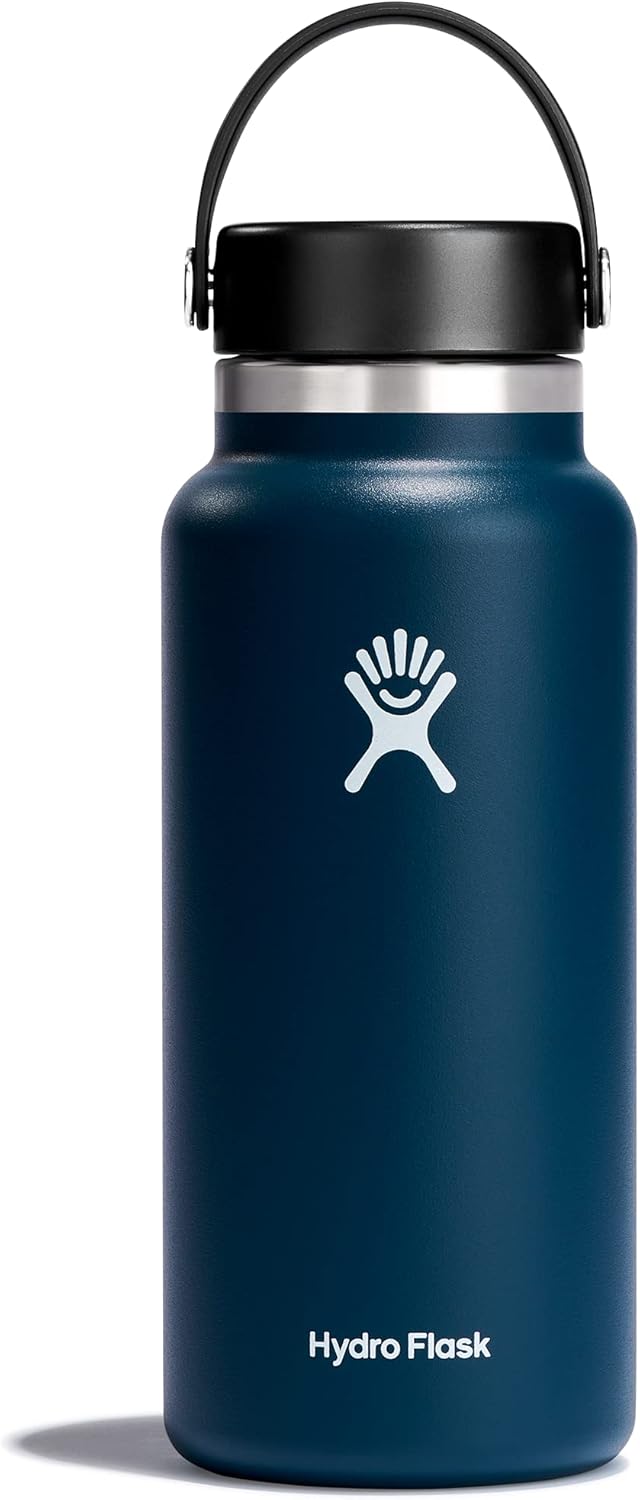
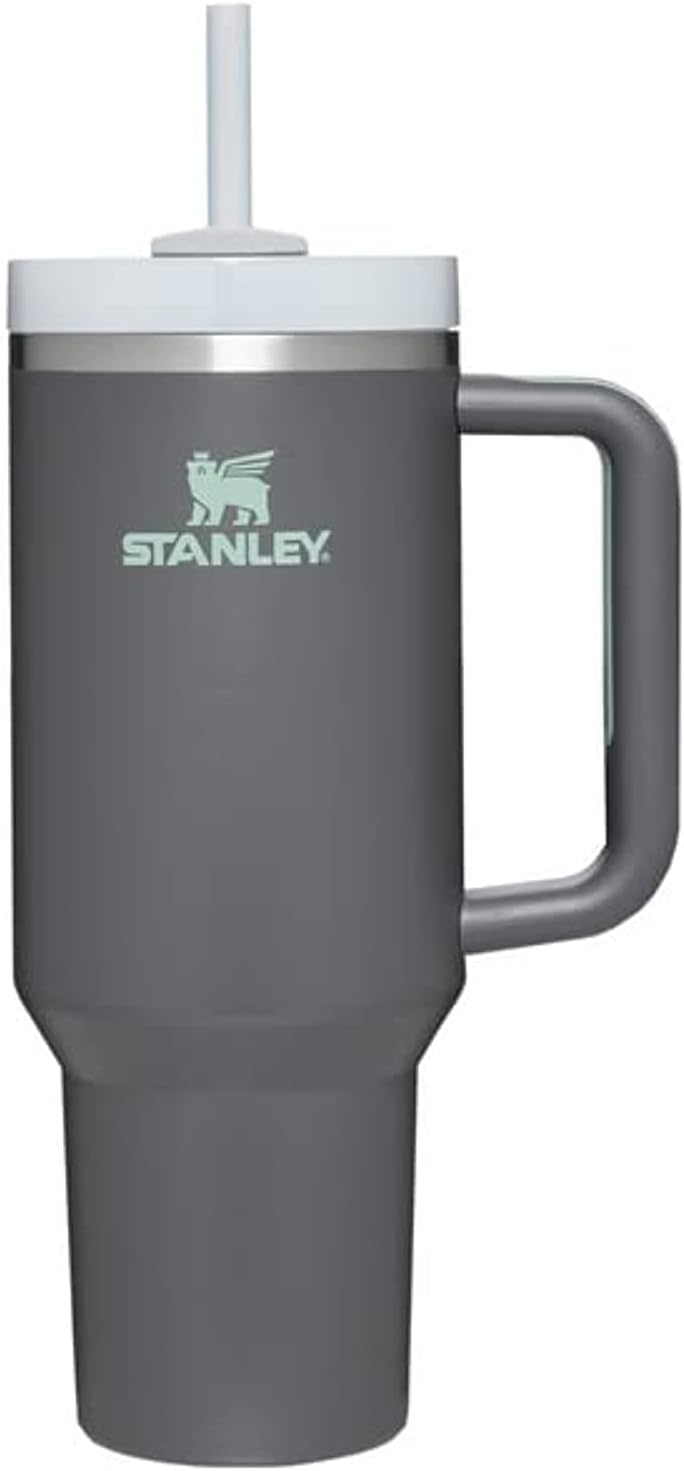
  • Water, and more than you think. Heat and sun on an open Jeep burn through hydration faster than a trail run in the trees. An insulated bottle keeps cold drinks cold for hours, which matters when the ambient temp is 90 and there is no cab to trap conditioned air.
  • Bags that close. Open bags, open coolers, open anything at the beach means sand in it by noon. Zip-close bags for food, sealed containers for anything you do not want gritty.
  • Interior protection before you leave home. Put the cargo liner down, snap the console organizer in, cover anything fabric you care about before you drive onto the sand. Keeping sand off is much easier than cleaning it out of carpet later.
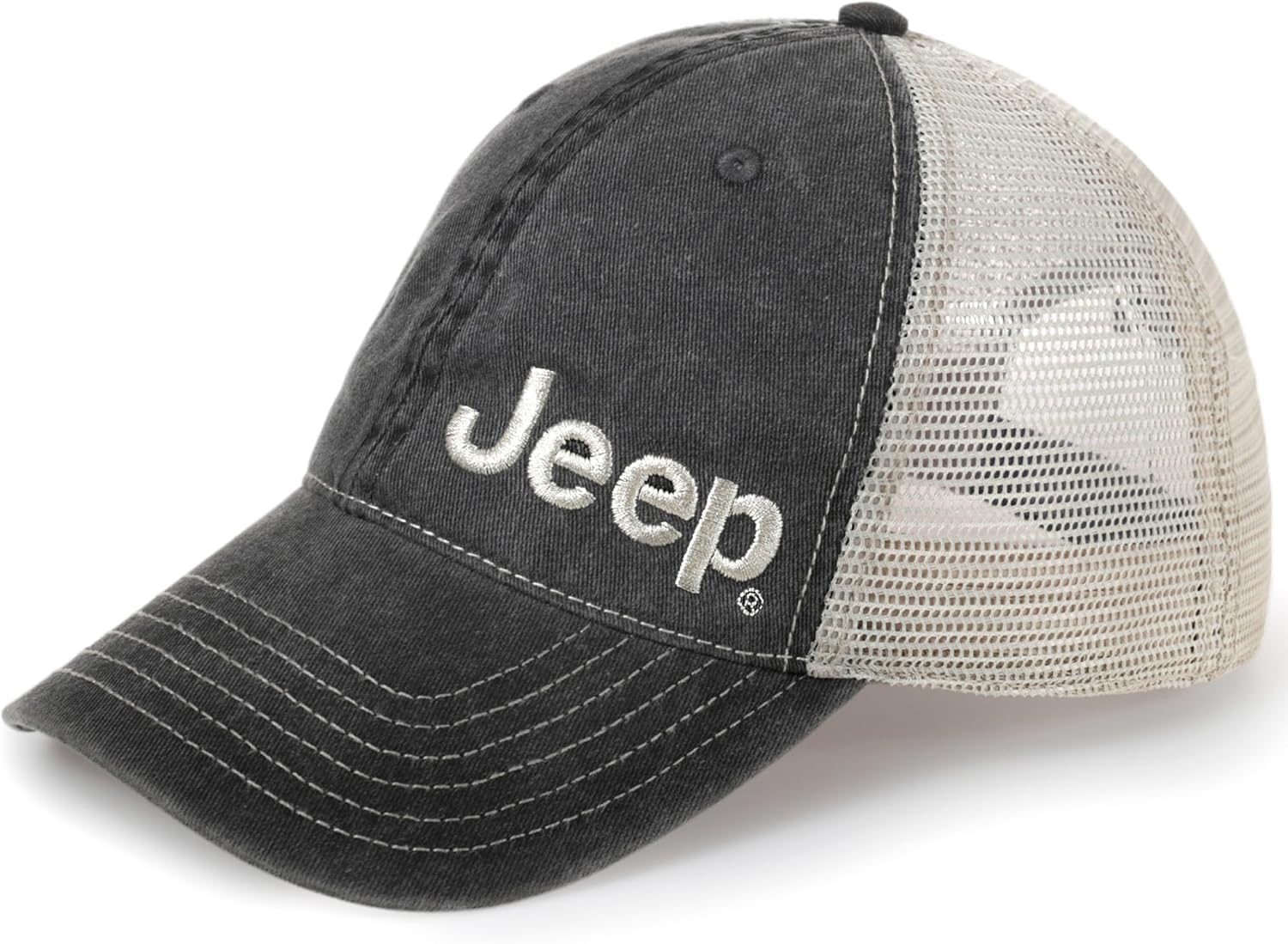
  • Sun cover. A hat, an SPF layer, or a sun hoody. Without a roof to take the edge off, you are getting direct overhead sun the entire drive. A brim makes more difference than you would expect on a full-day run.
  • A towel or seat cover. Hot sand on a seat is uncomfortable. Sand in seat fabric is annoying for weeks. Throw a towel down before loading up at the beach.
Jeep apparel and gear laid out for a coastal run
Pack for sun before you leave. The coast does not give you shade.
STAY HYDRATED

Cold drinks for a full day run

An insulated bottle matters when the cooler is buried under gear and the Jeep has no shade. These hold cold for hours.
See all drinkware →

Sun protection when there is no roof

The math changes without a top. On a normal drive, the roof absorbs a significant chunk of the overhead solar load. Doors off, top off, you are sitting in a bowl of direct sunlight. For a two-hour morning run this is manageable. For a full day at the coast it adds up fast.

A wide-brim hat or mesh trucker hat blocks the overhead exposure, which is the main vector in an open Jeep. Long-sleeve sun hoodies are standard on the Pacific coast where temps stay cool enough to wear them comfortably. On the Gulf and Atlantic in summer, a lightweight fabric with a UPF rating is the practical option. Do not forget your hands on the wheel and the tops of your thighs. Both get consistent direct sun on a long drive and are easy to miss when you are focused on face and neck.

Bring more sunscreen than you need. Heat and wind dry it faster, and re-application mid-drive is awkward enough that it usually does not happen. Coat up before you leave.

HEAD COVER

Sun hats for open-air Jeep driving

A brim makes a real difference on a full-day beach run with no roof. These are built for the Jeep crowd.
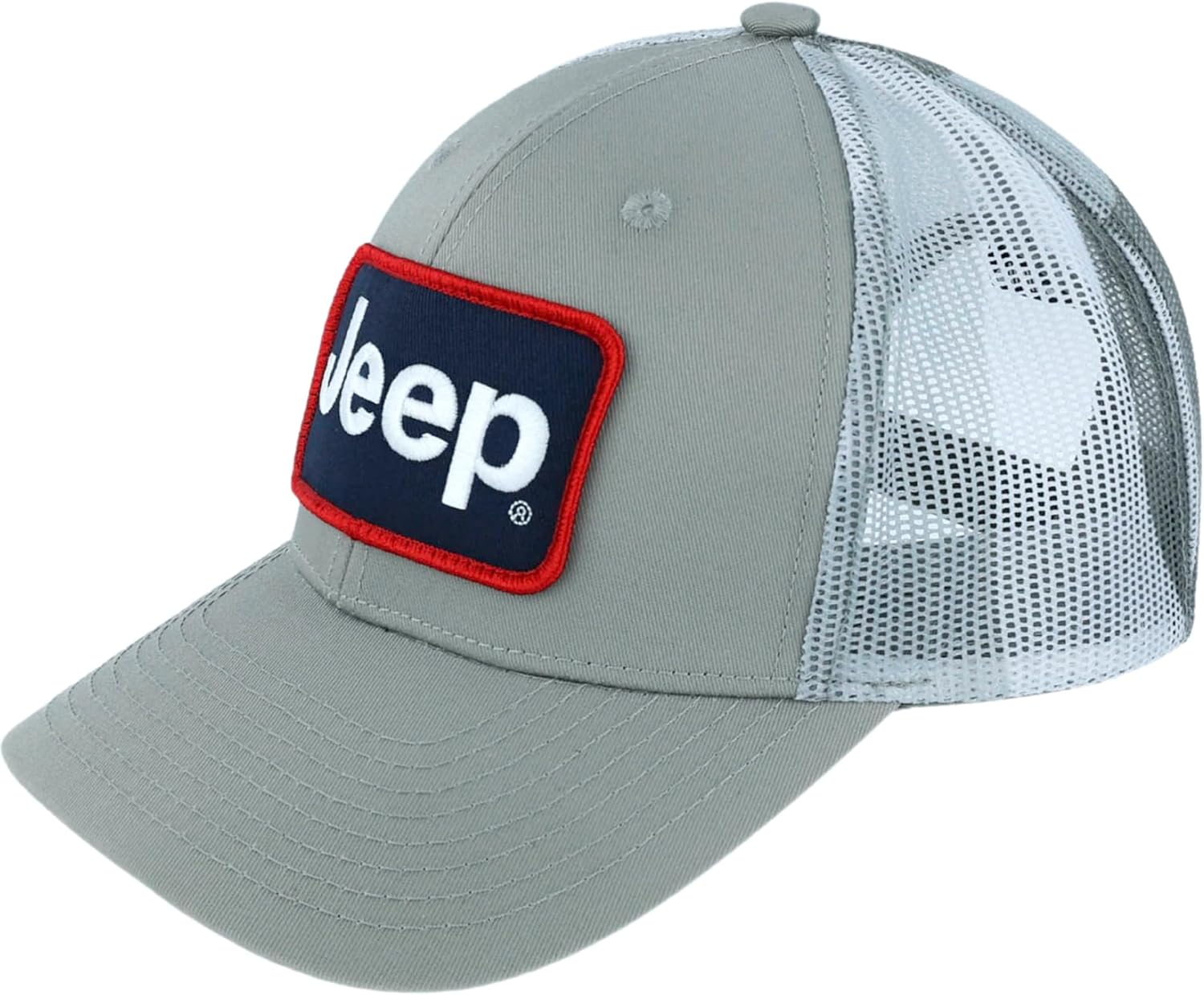
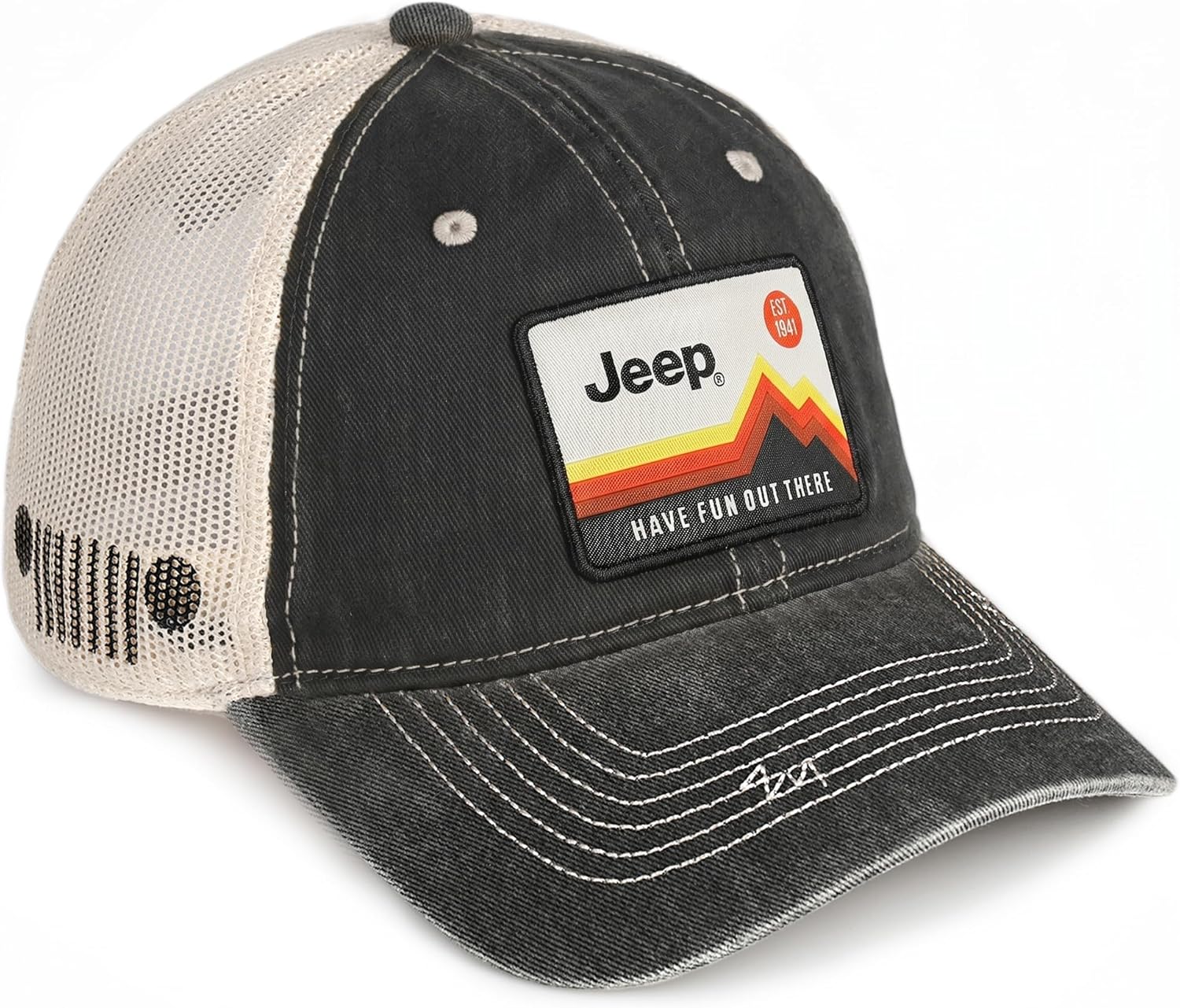
See all Jeep apparel →

STRAIGHT ANSWERS

Beach and coastal run FAQ.

When is the best time of year for a coastal doors-off run?
Depends on the coast. Gulf Coast: October through May before summer heat and humidity peak. Atlantic mid-Atlantic and Carolinas: May-June and September-October. Southern Florida extends further in both directions. Pacific California: year-round in the south, with summer fog and cold marine air on the Oregon and Washington coasts making spring and fall the better windows there.
Does salt air really damage door hinges that fast?
One trip will not do it. Accumulated salt without post-trip cleaning compounds over a season. Bare metal hinges in a salt environment develop surface rust and eventually seize if they are never rinsed and lubricated. The fix is simple: rinse with fresh water and apply water-displacing lubricant after each coastal run. Takes about 10 minutes per side.
Do I have to wash the whole Jeep after every beach run?
Not the whole Jeep, but focus on the metal. Rinse the door hinges, the exposed hinge knuckles, and the undercarriage. Hit any bolt heads and bracket hardware you can see around the door aperture. That is where salt does the most damage over time. The rest of the Jeep benefits from a full wash too, but the hinge rinse is the one that is not optional.
What is the best way to get sand out of the interior?
Vacuum while it is dry. Dry sand vacuums out cleanly. Wet or packed-in sand is a much harder problem. Get a cargo liner down before you go, and vacuum at the end of the day before you drive home. Fine beach sand migrates fast once it gets wet and settles into fabric and carpet fibers.
Is driving on the beach legal? Do I need a permit?
Varies by beach and state. Many national seashores (Cape Hatteras, Padre Island, Assateague, Point Reyes) allow beach driving with a permit, usually available online or at the entrance. Many state parks and public beaches either prohibit vehicle access or restrict it to specific corridors. Confirm the rules for your specific beach before loading up.
Do I need 4WD to drive on the beach?
4WD and all-terrain tires are strongly recommended for soft sand. Airing down, typically to 15-20 PSI on soft sand, makes a significant difference in flotation. A stock JL or JK with AT tires aired down handles most beach surfaces without drama. Dry, powdery sand above the tide line is the hard case, and that is where low-range and consistent momentum management matter.
How much water should I bring for a full day doors-off run?
More than you think. A reasonable starting point is at least a liter per hour of active outdoor time, more when temps are above 85. For a full day beach run, two 32 oz insulated bottles plus a backup in the cooler covers most situations. An insulated bottle keeps cold significantly longer than a standard bottle under direct sun.

General guidance for Jeep Wrangler and Gladiator owners. Beach access rules, permit requirements, and vehicle laws vary by location and change over time. Confirm current rules for your specific beach before your run. Not legal or safety advice.

GO COASTAL

Rinse it off.
Go back tomorrow.

Rinse the hinges, vacuum the sand, pack the cold drinks, and check the forecast before committing. The coast runs are worth every minute of the post-trip rinse.