As an Amazon Associate we earn from qualifying purchases. Every buy button leads to Amazon.As an Amazon Associate we earn from qualifying purchases.Full disclosure →Disclosure →
GUIDE / LIGHTING

Light it up.
Doors went home without you.

Pulling the doors off a Wrangler or Gladiator does more than open up the sides — it removes the mounting points most owners never think about until they're deep in a trail at dusk. No lower side markers, a wider field of vulnerability, and nothing breaking up the wind past your ears. Here's how to sort the lighting before the sun does it for you.

PART OF THE TRAIL & RECOVERY SHELFSee all 11 guides →

The doors-off lighting question isn't just about lumens. It's about what kind of light goes where, how it wires without the doors in the path, and whether a single bar or a split pod setup actually makes sense for a rig that's running without its flanks.

Why going doors-off changes your lighting game

Most Jeep owners think about lighting on a single axis: brighter is better. Pull the doors and a second axis opens up — coverage. On a stock rig, the doors break up the cabin sides, give your peripheral vision something to work with, and provide a physical boundary between you and the dark. Without them, the trail can come from everywhere, and the light on your roof needs to handle the load the doors used to share.

There's also a practical wiring question. Any lighting you add to a doorless rig lives on the body — no door jambs to route through, no moving hinge gaps to protect against chafe. Your wiring paths are actually cleaner than on a full-door rig, but you need to think about them from scratch rather than assuming the factory harness covers it.

Spot vs. flood vs. combo: what the beam actually does

Every off-road light spec leads with lumens. Lumens are total output. What matters more on a trail is the beam pattern — where those lumens actually land:

  • Spot beam throws a tight, long cone forward. Good for high-speed desert runs or fast fire roads where you need to see far down the trail ahead. Narrow field of view.
  • Flood beam spreads wide and low. Good for rock crawling, technical trails, and camp setup — anything where you need to see what's happening immediately around the rig. Short throw.
  • Combo beam splits the bar between spot and flood rows, giving you both in one unit. Most trail-purpose bars and pods use combo optics, and it's the right call for a doors-off rig that needs to handle varied terrain in one pass.

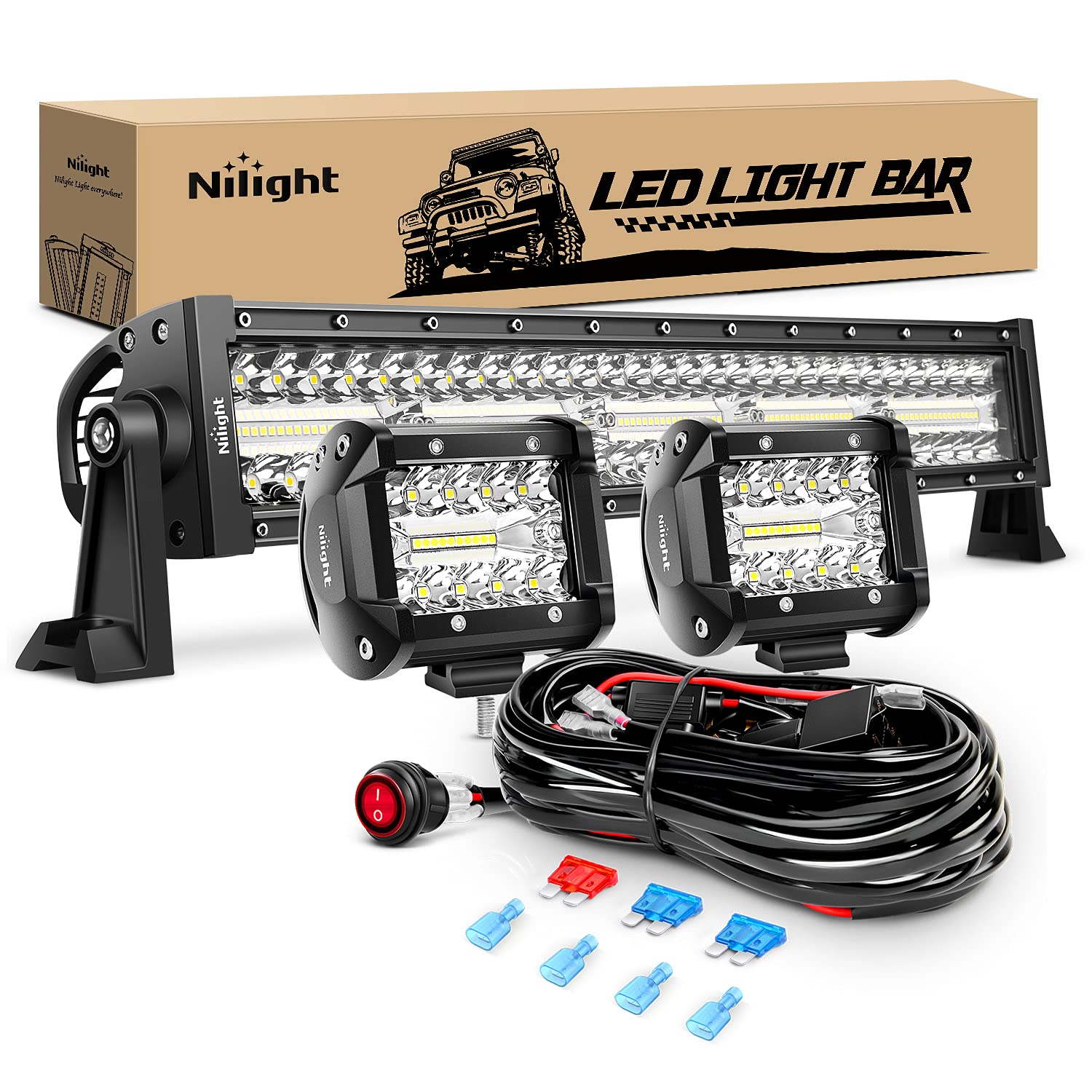
Triple-row bars like the Nilight pack all three patterns into one bar. Single-row bars tend toward spot or flood depending on the optic choice. If you're buying pods as your primary trail lighting, get combo pods — a pure spot pod on a slow rock trail leaves you blind to the sides and obstacles close in.

LIGHT THE TRAIL

Roof bars and basket combos

Roof-mounted light bars and integrated basket setups for a doorless rig. Every link goes to Amazon.
See all lighting →

The roof bar approach

A roof-mounted light bar is the most common upgrade for any Jeep, doorless or not, and it makes particular sense for a doors-off rig because the roof is always there. It's the one mounting surface that doesn't vary by configuration — no tubes to clear, no wiring to reroute when the doors come back on.

Two bars worth knowing about:

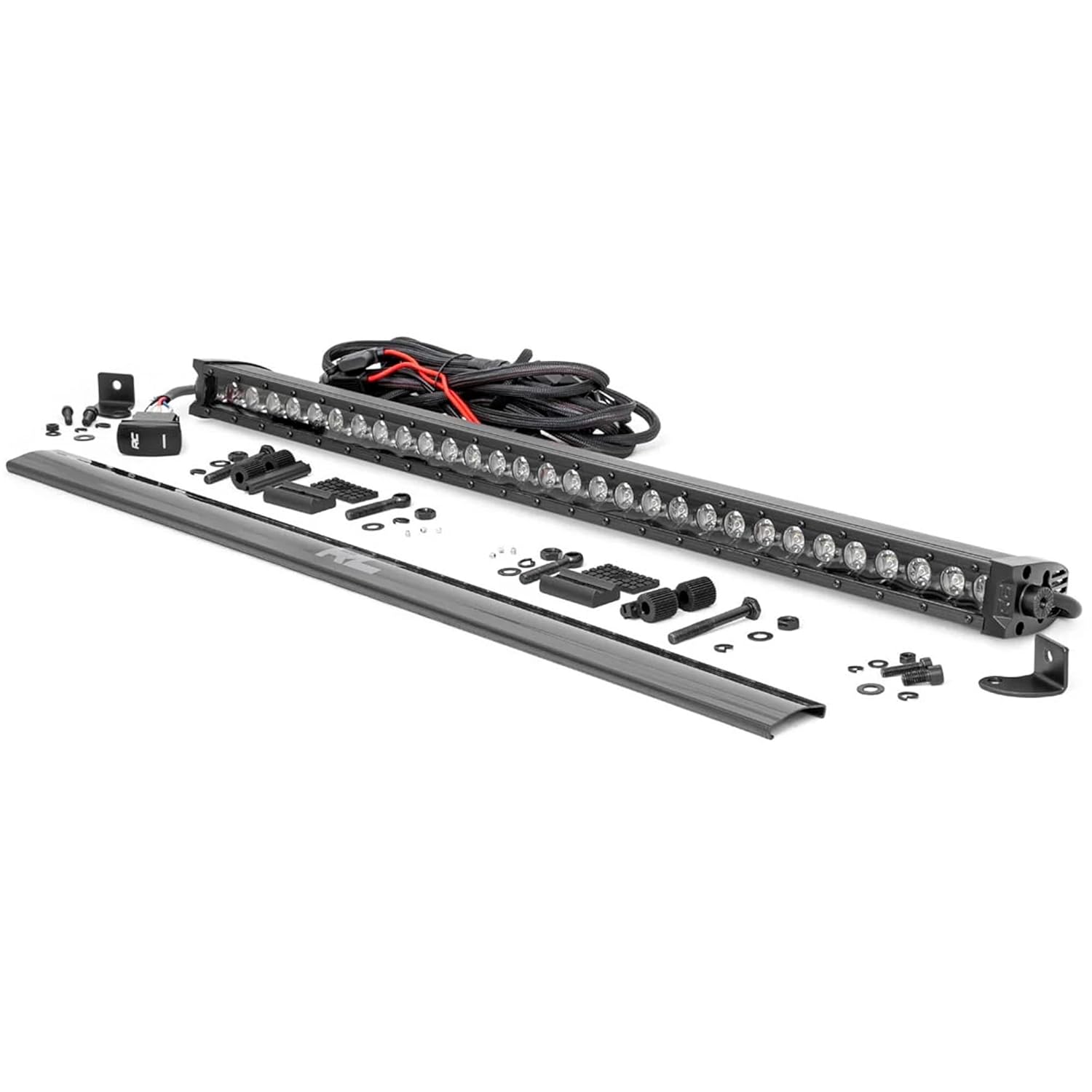
  • Rough Country 30" with DRL strip: 12,000 lumens, built-in daytime running light, wiring harness included. The DRL is a real differentiator — it keeps the rig visible in daylight on tight trails where you're sharing space with other vehicles. IP67 sealed, die-cast aluminum housing. As the premium option it's the premium pick; you're paying for build quality and the DRL you won't find on entry-level bars.
  • Nilight 22" 480W Triple Row + Pod Kit: combo beam bar plus two 60W cube pods in one box, complete three-lead wiring harness included. As an entry-level bar it punches well above its price. The triple-row optic design covers spot, flood, and combo in the same bar, and the kit format is smart for a first build — you get the bar and a pod pair to position wherever you want secondary coverage.

Fit note: most 30" and 22" bars mount to crossbars or roll bars. On a JL and JT, aftermarket crossbar sets give you a clean mounting surface with standard saddle mounts. On a JK, the wider roof and safari bar geometry differs — confirm the bar length clears your roll bars before you buy.

Ditch-light pods: the flexible alternative

Ditch lights mount at the base of the A-pillar in the cowl area — right where the hood meets the windshield frame. For a doors-off rig they have a specific advantage: they sit forward and wide, pushing light off to the sides of the trail in a way a centered roof bar can't match. That gap the doors used to fill? Ditch lights help cover it.

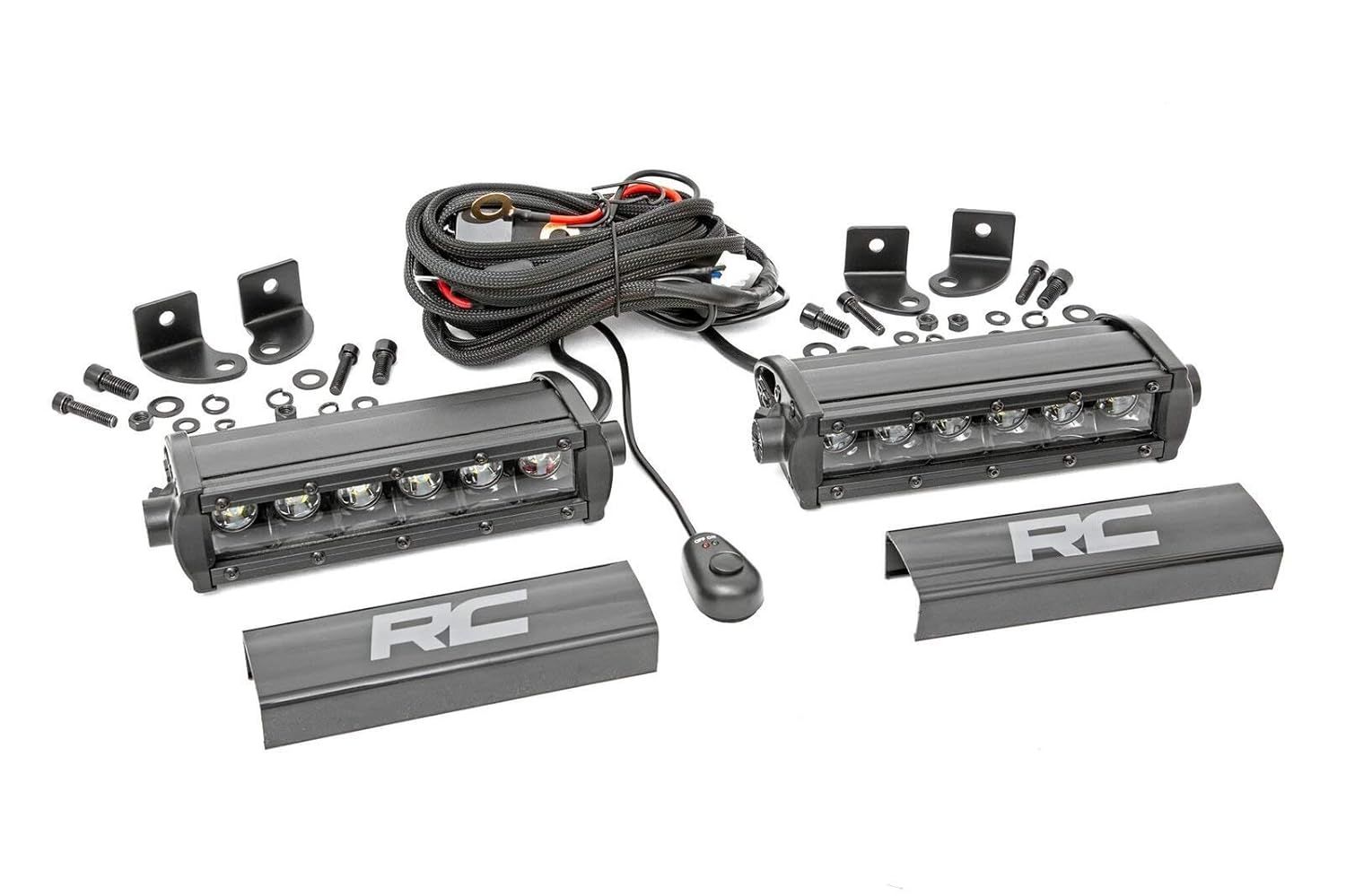
The combination worth looking at: Rough Country 6" CREE pod pair with KMFCDAE A-pillar ditch brackets. The brackets bolt to factory cowl points on JL and JT (2018–2023) without drilling, and the CREE pods slot in with standard hardware. Together they cost less than the Rough Country bar and cover the side angles a centered bar misses.

Standalone pods also let you aim each unit independently. A single bar is a fixed angle across the full field; ditch pods let you dial the left pod for one side of the trail and the right for the other. On tight switchbacks and shelf roads where the trail constantly switches which side the exposure is on, that adjustability is worth more than raw lumen output.

DITCH LIGHT SETUP

Pod lights and cowl brackets

CREE pods and A-pillar brackets for the ditch-light setup. Pods and brackets are sold separately — you need both.
See all lighting →

Bar vs. pods: the actual tradeoff for a doorless rig

Honest answer: they're not competing options — they complement each other. But if you're picking one to start:

  • Get the bar first if you spend most of your time on fast trails, open desert, or just need a single big output upgrade. The roof bar is the easiest install, the cleanest wiring run, and throws the most forward light per dollar.
  • Get the pods first if you're running technical trails, shelf roads, or anything with significant rocks and obstacles close to the sides. The ditch pod position is irreplaceable for side coverage on a doorless rig — no roof bar angle matches it.
  • Run both once budget allows. A 22" bar on the roof and a ditch pod pair at the cowl is a complete doors-off lighting setup that handles forward distance and side coverage at once. The Nilight kit even includes two pods — you're buying the hardware for a basic dual setup in one purchase.

Model note: the KMFCDAE ditch brackets fit JL and JT only (2018–2023). JK owners need a different cowl bracket — confirm your year before buying.

Roof basket with integrated LEDs

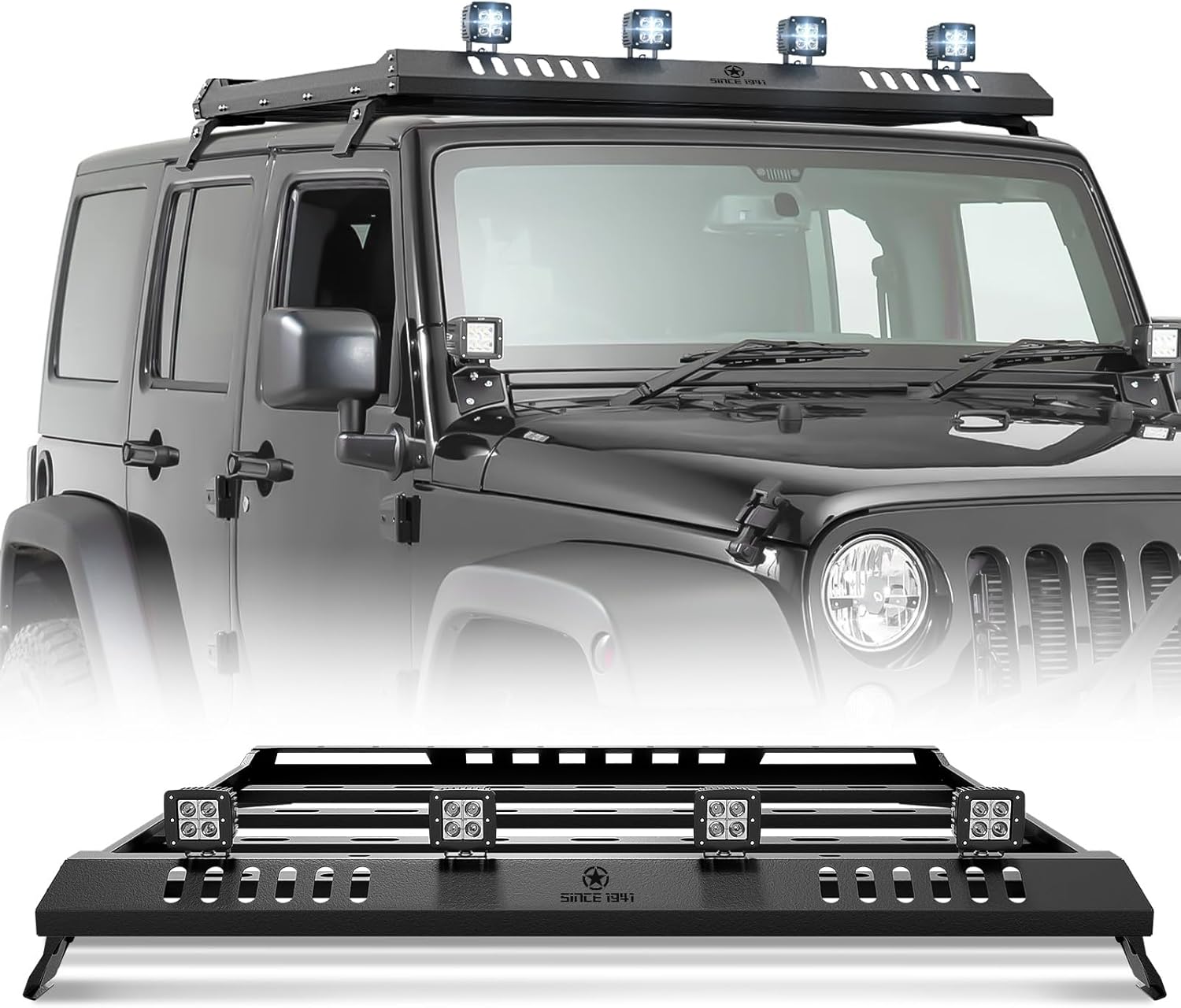
The YZONA roof basket with four pre-wired LED pods is the third path: a steel cargo basket that answers the question of where to put your stuff and where to get more light at the same time. Strong choice for anyone building an overlanding or extended-trip setup who doesn't want to run two separate installs.

Fitment is specific: JK/JL/JT four-door hardtop (2007–2024 JK and JL, all Gladiator JT). Two-door Wranglers and soft-top rigs don't apply. If you're on a four-door hardtop and adding cargo capacity anyway, the integrated pod wiring saves a separate light install — the harness comes pre-run in the basket frame.

It's the most expensive entry in the catalog, but it's replacing two purchases at once. The tradeoff: you're committing to a basket on the roof regardless of lighting need. Don't buy it just for the lights if cargo storage isn't already on your list.

Wiring basics without the doors in the way

The good news about a doorless rig: wiring an off-road light bar or pod set is actually simpler, not harder. Every included harness on the lights above runs from the light to the battery with a relay and an in-cab rocker switch. There are no door jambs to route through, no moving hinge gaps to chafe against. The run from a roof bar to the battery is a straight shot down the A-pillar and through the firewall.

Basics that apply to every install:

  1. Use the included harness. Every light above ships with a relay harness and rocker switch. Don't wire directly to the fuse box — the relay protects the switch and your factory circuits from the current load.
  2. Route away from heat and moving parts. On a Jeep that goes topless and doorless, keep wiring away from the exhaust side and away from the soft-top hardware if you're storing the top back.
  3. Seal the firewall entry. Use a rubber grommet where the harness passes through. A pinched wire at the firewall is a slow electrical fault — the kind you find six months later on a trail with no cell signal.
  4. Test before you zip-tie. Run the harness loose, confirm the lights work and the switch is where you want it, then lock everything down. Moving one zip-tie later beats pulling the entire run.

For ditch lights, the run is even shorter. The KMFCDAE brackets bolt to factory cowl points; once the pods are aimed the wiring is mostly under-hood, no interior routing required. On a JL and JT the battery sits on the driver's side of the engine bay — a passenger-side ditch pod run goes straight across the firewall shelf.

STRAIGHT ANSWERS

LED lights for the doorless Jeep: FAQ.

Do I need extra lights if I'm only going doors-off on-road during the day?
For daytime street driving, no — factory headlights and existing marker lights handle it. Off-road lights are for the trail at dusk or after dark. That said, the Rough Country bar's built-in DRL does add daytime visibility on tight trails or two-track roads where you're sharing space with other vehicles, so it's worth considering even if most of your driving is daylight.
Can a single roof bar cover the sides of a doorless rig at night?
Partially, not fully. A combo beam bar handles the forward field well. What it misses is the side angle — the coverage zone the open doorway used to partially define. Ditch-light pods at the A-pillar cowl fill that gap better than a roof bar can. For serious trail work, the combination of a bar plus ditch pods is the complete answer.
Do these lights fit JK, JL, and JT?
The light bars and pods are universal mount. The KMFCDAE ditch brackets are JL/JT specific (2018–2023). The YZONA basket fits JK/JL/JT four-door hardtop only. Always check the fitment line in the product listing for your exact year and model before buying.
What's the real difference between the Nilight kit and the Rough Country bar?
Price, output, and the DRL. The Nilight 22-inch triple row is the entry-level option, includes two pod lights, and is a strong first-bar value. The Rough Country 30-inch is the premium option, outputs 12,000 lumens, and adds a built-in daytime running light strip the Nilight doesn't have. If the DRL matters for your use case, the Rough Country earns its price. Otherwise the Nilight kit gives you the most trail light per dollar, plus a pod pair to start a ditch setup.
Do I need a switch panel, or can I use the included switches?
The relay harnesses on all these lights include their own rocker switch. You don't need a switch panel — just mount the rocker somewhere accessible in the cab. Aftermarket switch panels are useful if you're wiring multiple accessories and want a clean look, but they're not required for a single bar or pod set.
Is it legal to run off-road lights on the street?
In most jurisdictions, light bars and pods are legal when off — they just can't be used on a public road in a way that creates glare or blinds oncoming traffic. For actual off-road use on trails, there's generally no restriction. Confirm your local vehicle code for the specifics, since rules vary by state.
Can I run a light bar on a soft-top Wrangler?
The light bars and pods are universal and work on any Jeep. The YZONA roof basket requires a hardtop. For soft-top rigs, the ditch bracket setup is usually the cleaner option — the cowl mount is always accessible regardless of top configuration, and it doesn't require roof crossbars.
How many lumens do I actually need for trail use?
More than you think, less than the marketing. For moderate trails at reasonable speed, 2,000–4,000 lumens of well-placed combo light does real work — the Rough Country CREE pod pair at 2,880 lumens is a genuine trail setup. The big bars (12,000+ lumens) are for fast desert runs, wide-open terrain, or rigs that spend time on high-speed dirt roads. Beam pattern and position matter more than raw output once you're above a baseline.

General guidance for Wrangler and Gladiator owners running lights off-road. Off-road light use on public roads is governed by state and local law — confirm your vehicle code before using auxiliary lights on-road. Product specs and pricing are subject to change; verify current listings on Amazon before purchasing.

LIGHT THE TRAIL

Lit up,
doors off.

Sort the lighting before the sun does it for you. Whether it's a single roof bar or a full ditch-pod setup, the trail looks better when you can actually see it.
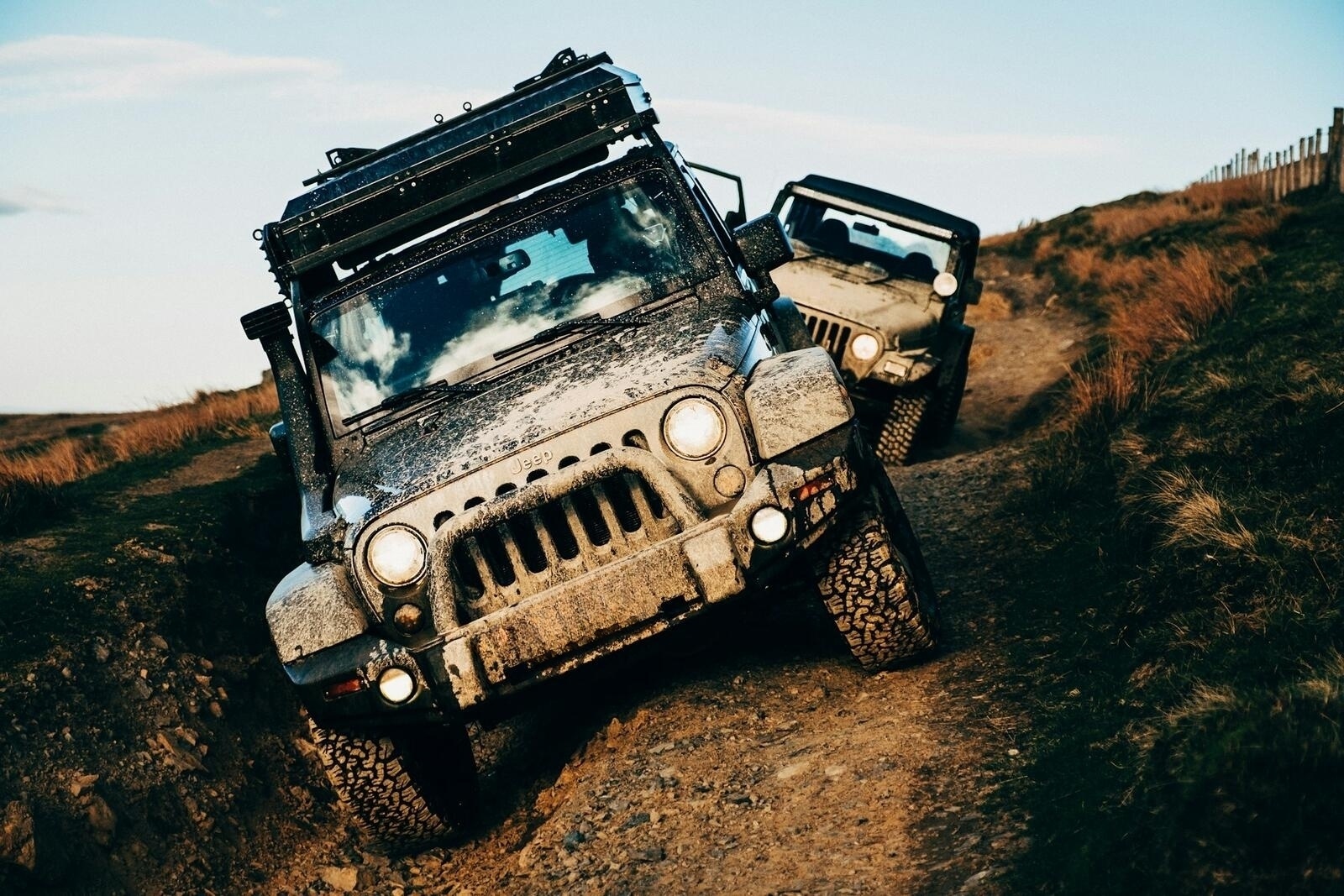
Muddy Jeep Wrangler on a trail

Light the trail.