Know when
to take it off.
There's no universal doors-off season. It's a combination of where you live, what temperature you'll tolerate, and whether the sky is cooperating. This guide maps the rough regional windows across the U.S., breaks down how your gear list changes from early-season to peak-summer, and explains where the doors-off forecast tool fits in.
The biggest mistake Jeep owners make with the doors is waiting too long to start and quitting too early in fall. Your actual window is almost certainly longer than your current habit. Here's how to read it by region.
The season isn't a date on the calendar
Every spring, someone on a Jeep forum asks: what month can I start going doors-off? The answer is always the same: it depends. It depends on your region, your cold tolerance, whether you're driving a canyon road or a freeway, and what the week looks like. There is no national doors-off season.
What there is is a regional pattern: a rough window for each climate zone where comfortable, practical doors-off driving is the norm rather than the exception. Below those patterns are two gear phases that almost every Jeep owner cycles through: the shoulder-season kit, built around the ability to cover up fast when the weather turns, and the peak-summer kit, where the concern flips from cold to heat.
Use this guide for season planning: knowing the shape of your year. Use the doors-off forecast tool for the daily call (whether today specifically is worth it, given your thresholds and the incoming weather).
Desert Southwest: the longest window in the country
If you live in Arizona, New Mexico, Nevada, Southern California, or West Texas, you probably already know you're winning the doors-off lottery. The low desert runs a window that stretches from roughly February through May, closes for the worst of summer heat, then reopens October through November.
The trap is summer itself. Triple-digit heat with no cabin airflow isn't just uncomfortable. It's genuinely fatiguing. 105°F in Phoenix with the doors off and direct sun on the driver is a different animal from 85°F and moving air. The monsoon season (July-September in the Southwest) also adds afternoon lightning storms that move fast. Peak summer here is the time to swap in a shade top, plan early-morning runs, and watch the radar.
- Phoenix / Tucson: Feb–May, Oct–Nov. Avoid June–Sept midday unless it's an early start or a shaded trail.
- Southern California coast: Nearly year-round once temps clear 60°F. Marine layer burns off by mid-morning most of the year.
- Las Vegas / Southern Nevada: March–May, Oct. Summer heat is more aggressive than Phoenix without the humidity relief of higher elevation.
- Albuquerque / Santa Fe: Wider window than the low desert thanks to elevation. May–October works well at 5,000+ ft; mind afternoon monsoon storms in July-August.
Southeast: watch humidity, not just the thermometer
The Southeast (Georgia, Tennessee, the Carolinas, Alabama, Gulf Coast) gets written up as "year-round Jeep country," and it's not quite right. The window is real, but it's gated by humidity in a way that temperature alone doesn't capture. A 90°F day in Charlotte at 85% humidity with no cabin airflow is a miserable drive. The same 90°F in Albuquerque is fine.
The genuinely good windows here are March–May and September–October: comfortable temps, humidity drops to reasonable levels, and the afternoon thunderstorm frequency falls off. Summer works if you're doing short runs, early starts, or trail driving in shaded forest. It breaks down on freeway slogs in full sun.
- Atlanta / Charlotte / Raleigh: March–May peak, September–October almost as good. June–August: manageable early, rough midday.
- Gulf Coast (coastal Alabama, Florida Panhandle): Year-round potential, but summer humidity + heat is punishing without shade. Fall is underrated here.
- Nashville / Knoxville: April–October with a real preference for the shoulders. Summer in the city is better with an early start.
The Southeast also gets more afternoon pop-up storms than anywhere else in this guide. Running a deployable top is less optional here. It's routine.
Northeast & Midwest: short but legit
In New England, Mid-Atlantic, Great Lakes, and Ohio Valley, you're working with the tightest window, roughly May through September on the conservative end. But "conservative end" is the key phrase. A warm April day at 55°F+ is absolutely doors-off weather if you dress for it. An October afternoon in the 60s with fall foliage is arguably the best doors-off driving in the country.
The Midwest adds a wind variable that coastal regions don't have: open plains driving at 65 mph with the doors off at 50°F is cold in a way that a hilly New England road at the same temp isn't. Know your route.
- New England (Boston, Vermont, New Hampshire): May–September reliably; late April and October are bonus days when the weather cooperates.
- Mid-Atlantic (DC, Philadelphia, New York metro): April–October is realistic. Fall is genuinely excellent, drier and cooler than summer.
- Midwest (Chicago, Detroit, Cleveland): May–September. Spring can be grey and wet; fall varies by year. Dress for wind on flat highway runs.
The other thing worth saying about the Northeast: humidity in summer is real, same as the Southeast, but less extreme. August in NYC doors-off at highway speed is fine; August in NYC stuck in traffic is not.
Mountain West & Pacific Northwest: altitude and rain over latitude
Colorado, Utah, Montana, Idaho, Oregon, Washington: in this zone, elevation matters more than your city's latitude. Denver in March might be 65°F and sunny in the city; an hour west on I-70 you're at 10,000 feet in a snowstorm. High-country Jeep trails (except Moab, which is red rock, low elevation, and has incredible March–May and September–October windows) typically open June through September.
The Pacific Northwest runs on a different clock: a genuine summer window from July through September surrounded by eight months of varying rain. That window is incredible (clear skies, moderate temps, green everything), but it's short. Plan aggressively when it arrives; don't wait for the "perfect" weekend.
- Colorado Front Range / Denver: May–October at lower elevation; June–September in high country. Afternoon thunderstorms are daily in July-August above treeline.
- Moab / Southern Utah: March–May, September–October. Summer is hot (90°F+) but drivable early; winter trail conditions vary year to year.
- Pacific Northwest (Portland, Seattle): July–September is the real window. Don't let an optimistic April day fool you: the rain usually comes back.
- Montana / Idaho: June–September, period. The mountains dictate the calendar here more than any forecast.
A top you can deploy anywhere
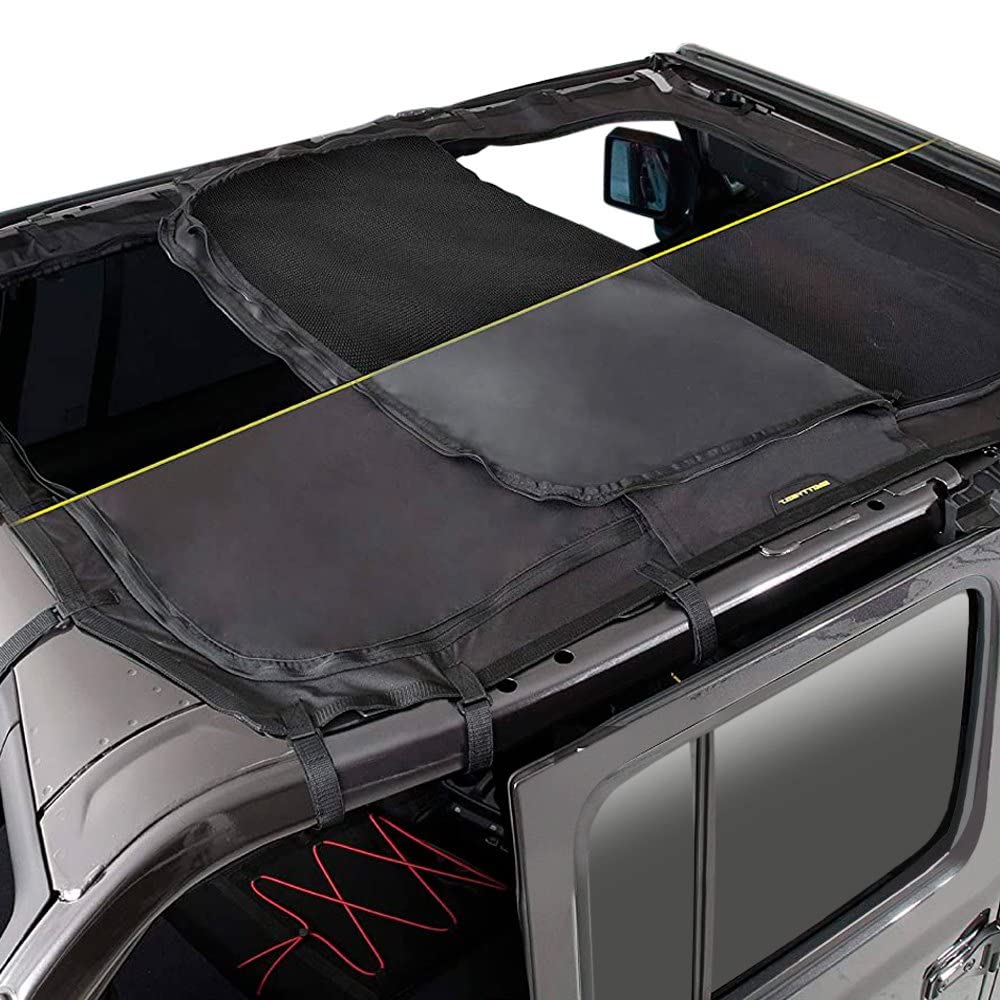
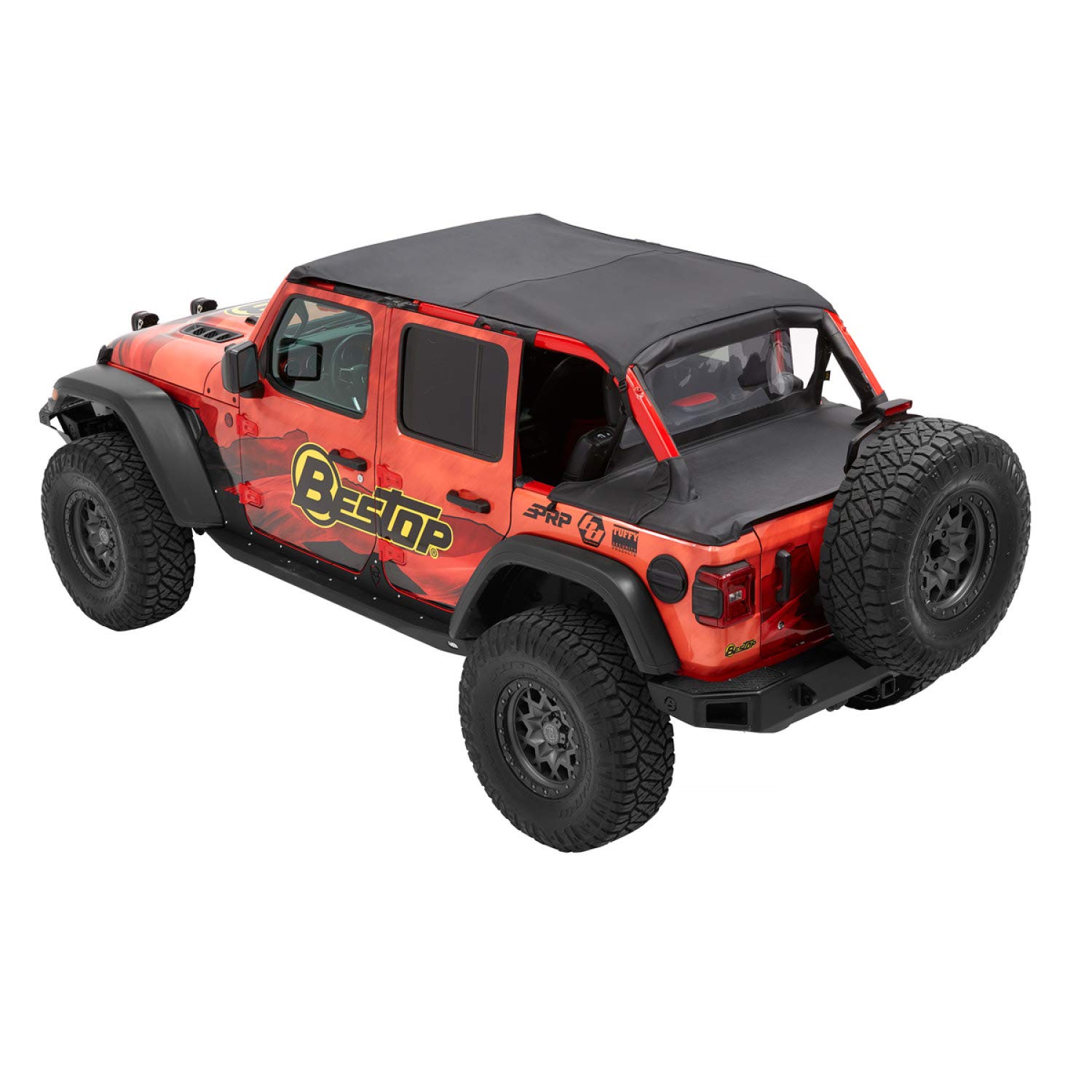
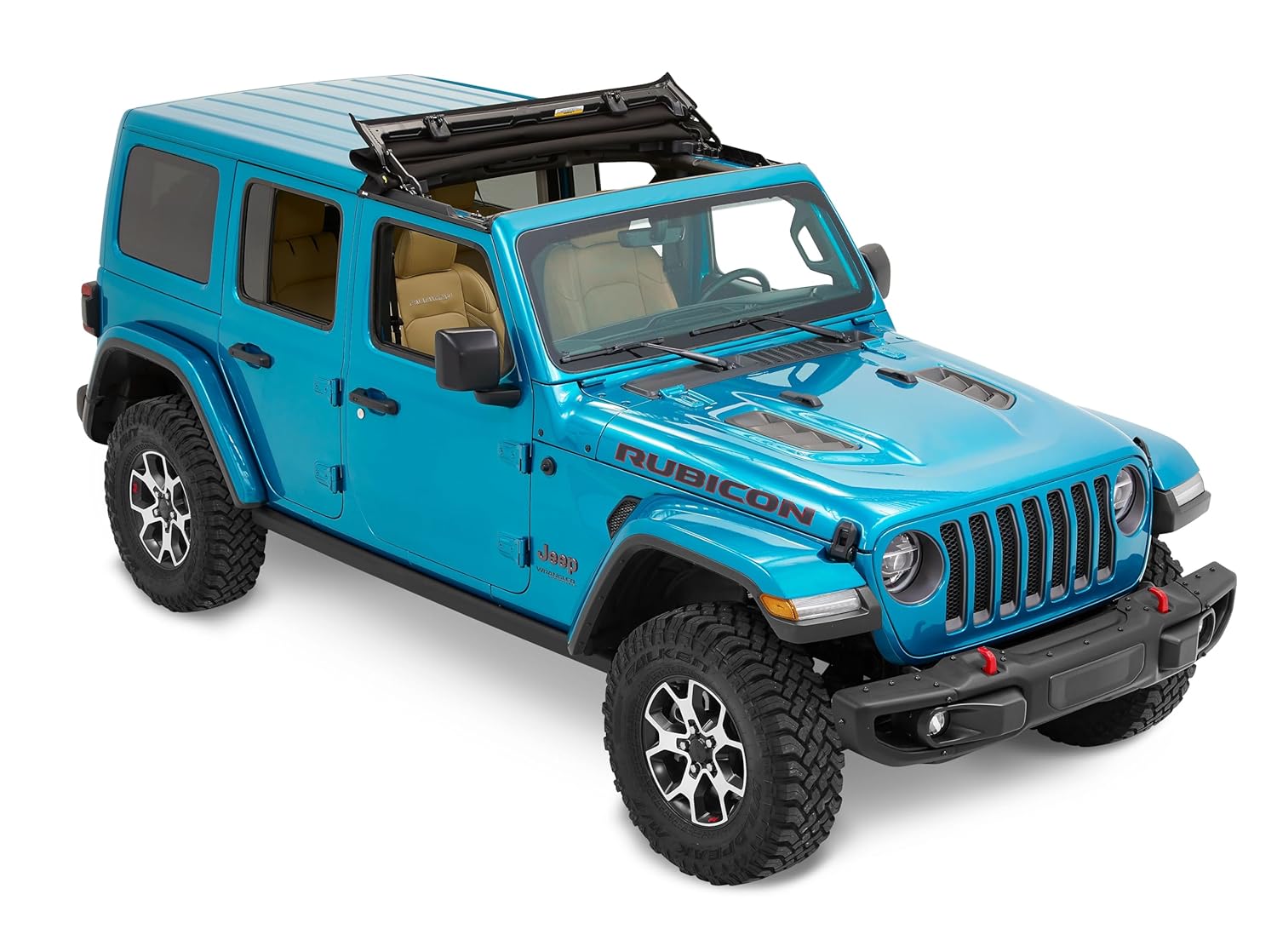
Spring and fall share the same problem: the weather can turn faster than you can drive home. A soft top or shade top stowed in the Jeep, not hung in the garage, is your real insurance. These three cover the JL/JLU and pack small enough to live on board.


Smittybilt Extended Shade Top with Skylights

Rugged Ridge Voyager Frameless Soft Top
What changes in shoulder season
Early season (March–May in most of the country) and late season (September–October) share the same gear calculus: the temperature is good but the weather is unpredictable, and wind chill at speed is real at 55°F. Your kit needs to handle both the good hours and the turn.
- Deployable top, in the Jeep: not the hardtop sitting in the garage. A soft top you can throw on in 10 minutes in a parking lot is the difference between a good day and a soaked drive home.
- A layer: highway speed doors-off creates 20–30 mph of wind chill even when the air temp is comfortable. A fleece or light jacket lives in the cabin all shoulder season.
- Waterproofing for cabin gear: phone in a waterproof mount or bag, anything in the footwells in a dry bag. Pop-up rain hits fast in spring.
- First aid / trail kit: early season also means soft ground, mud, and less trail traffic. Recovery odds go up when the trails are still wet.
Shoulder season is also when door storage matters most. If you're pulling the doors to enjoy a 65°F window and putting them back on because rain is coming Friday, you want a storage system that makes that swap fast. The doors-off playbook has the full ritual.
What changes at peak summer
When your regional window opens fully (June in most of the country, February in the desert Southwest), the concern inverts. Cold and rain step back; heat and sun step forward.
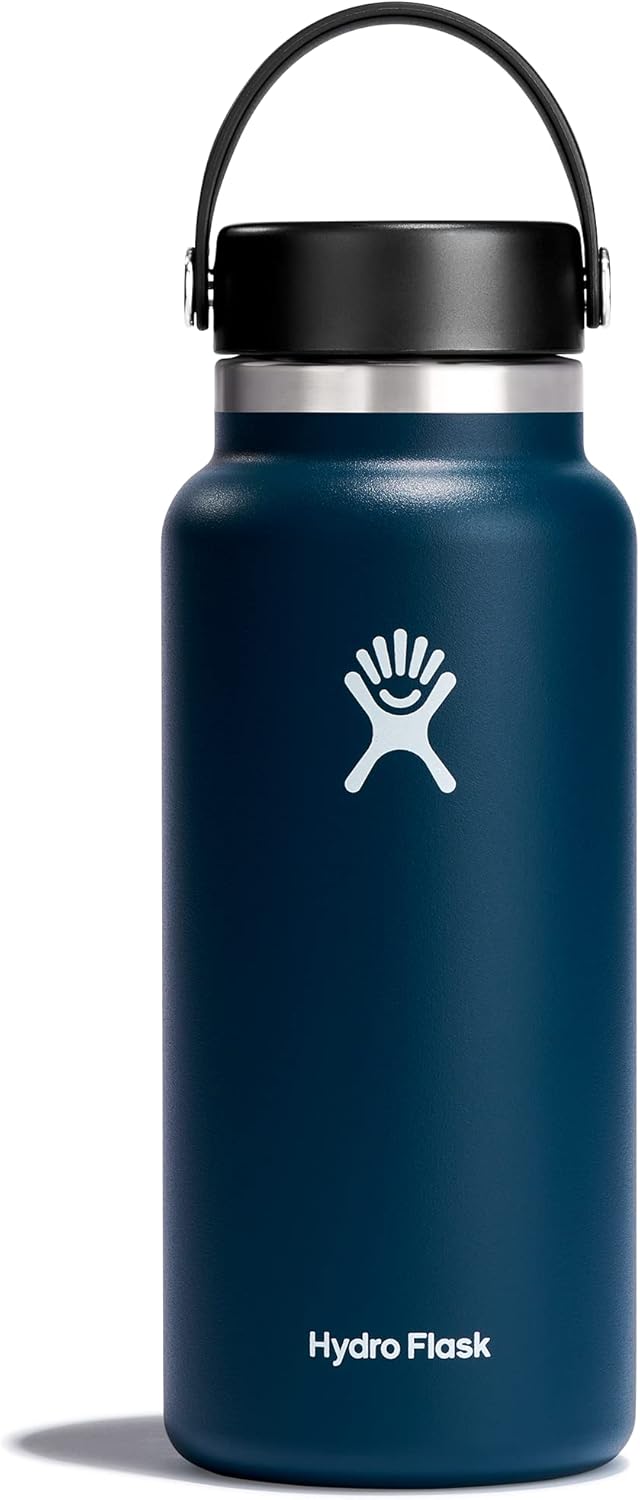
- Hydration, doubled: doors-off driving in full sun is exposure. Budget for 2–3x the water you'd drink in an air-conditioned car on a hot day. A 32–40 oz insulated bottle that stays cold for 8+ hours is not optional at this point, it's infrastructure.
- Sun protection: SPF on exposed arms, a hat that won't blow off at highway speed (ball cap brim forward, not backward). Direct sun on the forearm for a 4-hour drive is a real burn.
- Electronics heat management: lithium batteries hate heat. A phone mounted in direct sun at 100°F ambient will throttle and warn you inside 20 minutes. Mount it in shade or off the windshield in summer.
- Audio: peak season is when the waterproof Bluetooth speaker earns its place. Windows down (or no windows at all), wind noise, outdoor vibe: a quality portable speaker is the one audio upgrade that actually works doors-off.
The deployable top doesn't leave the Jeep in summer. It shifts purpose. In shoulder season it's rain insurance; in peak summer a shade top over a stopped Jeep (at a trailhead, overlook, lunch break) is the difference between sitting in the sun and sitting in the shade.
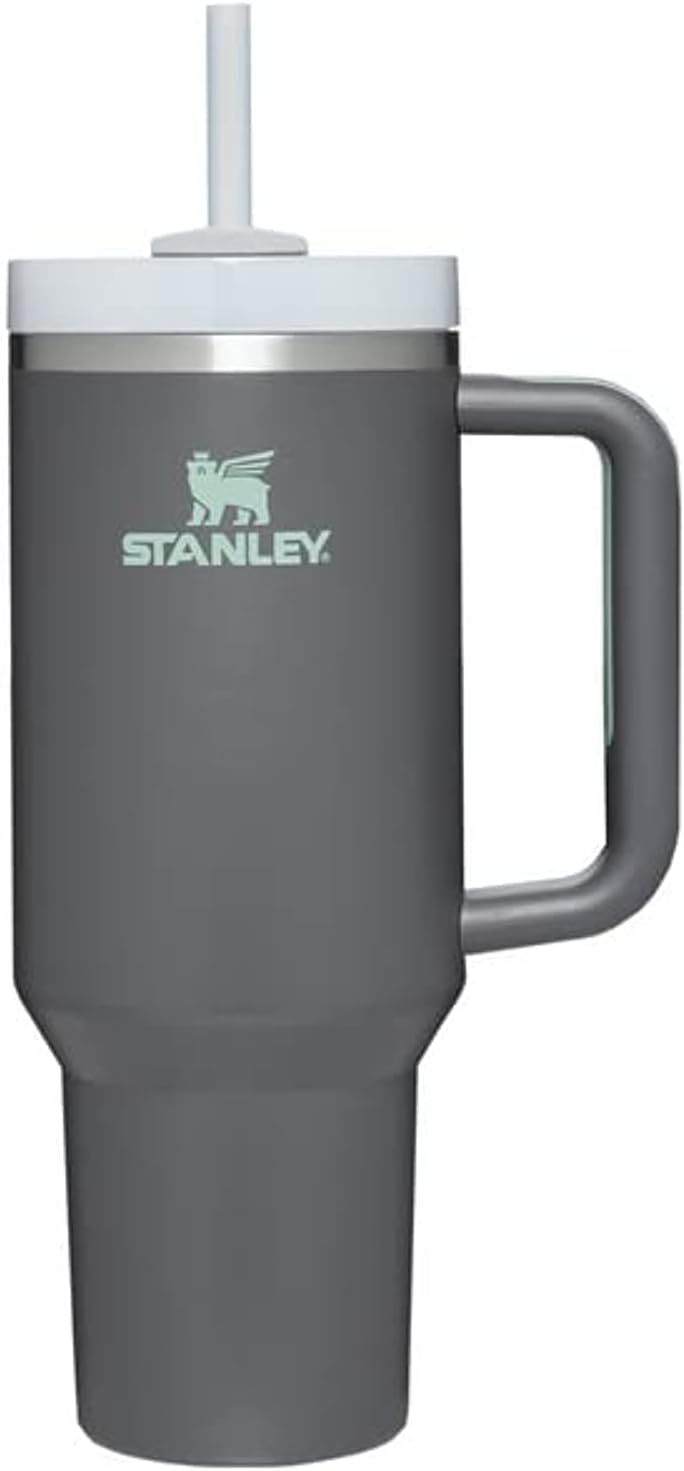
Hydration that keeps up
When the window's fully open and it's hot, your real constraint is hydration. These two bottles stay cold in full sun and fit the Jeep's cup holders. Add a waterproof speaker if you haven't already. Peak season is when it earns its spot.
Day-to-day vs. planning the season
This guide gives you the shape of the year: a regional framework for knowing when your window opens, when it closes, and how your gear list shifts between phases. That's season planning: broad strokes, regional patterns, gear categories to have in the Jeep.
The daily call is something different. On any given day, the question isn't "is it May in the Mid-Atlantic?" It's "is today actually worth it, given the front moving in Thursday, the wind forecast, and the fact that I'm driving the highway for 45 minutes before I get to the trail?" That's a question about specific conditions against your specific thresholds, not regional averages.
That's exactly what the doors-off forecast tool is built for. It scores your local conditions (wind speed, rain probability, temperature) against the limits you set, and gives you a daily readout. Use the regional guide to plan the season. Use the forecast to make the call on Tuesday.
A few ways to use them together:
- Season opener: You know (from this guide) that your region typically clears in late April. Use the forecast starting April 15 to watch for the first real window, rather than waiting until May on habit.
- Late-season extension: October in the Mid-Atlantic is often great. The forecast catches the warm days inside a generally cool month so you don't miss them.
- Summer heat management: In July in the Southwest, you're not asking "can I go doors-off." You're asking "should I leave at 6am or 8am?" The hourly temperature and rain data in the forecast helps you frame the morning window before it turns.
Doors-off season FAQ.
- When does doors-off season start?
- It depends on your region. Desert Southwest: February. Southeast and Mid-Atlantic: March–April. Northeast and Midwest: May. Mountain West: June for high-country driving. There's no national start date; the regional breakdown above is the closest thing to a calendar.
- Is it too cold to drive doors-off?
- Cold is relative and personal, but wind chill is the real variable most people underestimate. Driving at 55 mph with the doors off adds 20–30 mph of wind chill to whatever the ambient temperature is. 60°F ambient feels like 40°F at highway speed. Dress for it and you can go much earlier in the year than most people do. The doors-off forecast tool lets you set your own temperature floor so it can flag good days against your threshold, not a generic one.
- What's the latest in the year you can go doors-off?
- In the desert Southwest, early November is common. Mid-Atlantic and Southeast: October is genuinely great. Northeast and Midwest: late September to mid-October on good days. Mountain West and PNW: September, and then you're done. The fall window is one of the most underrated stretches of the year: lower humidity, good light, and the trails are less crowded.
- How hot is too hot for doors-off driving?
- There's no hard cutoff. It's a matter of hydration, sun exposure, and route. What breaks down at peak heat isn't the driving itself but the sustained sun exposure: forearm burns, phone throttling from heat, fatigue from 3-hour exposure. In the Southwest, local Jeep owners typically shift to early-morning starts once temps routinely clear 100°F. Know your route and pack water accordingly.
- Do I need different gear in spring versus summer?
- Yes, and they're different problems. Spring and fall are about covering up fast when the weather turns: a deployable soft top in the Jeep, a layer for wind chill at speed, rain protection for cabin gear. Peak summer inverts the concern: hydration, sun protection, heat management for electronics, and audio since you're not closing the windows to cut wind noise. Your doors-off kit should shift between phases.
- How do I know if today is a good doors-off day?
- The doors-off forecast tool at /forecast scores today and the week ahead against your personal thresholds for temperature, wind, and rain probability. Set your limits once and it tells you which days clear them. Much faster than hand-checking the weather and doing the mental math.
- Can you drive doors-off in light rain?
- Technically yes, but a Jeep with the doors off in rain soaks the seats, the footwells, and whatever's in the cabin. The question is usually less 'can you' and more 'do you want to.' If rain is likely, having a soft top you can deploy quickly at a rest stop is the actual answer. A full rain plan beats a rain jacket.
- What about winter doors-off?
- It happens, especially in the Southwest. If you're running doors-off in winter, the considerations are: wind chill is severe (30°F + 55 mph highway speed is genuinely dangerous cold exposure), gloves and a balaclava aren't optional, and your braking distances change if roads are damp. Short runs in mild winter sun are fine for the prepared. Long highway slogs at winter ambient temps are not.
Regional windows are rough averages based on typical climate patterns; actual conditions vary by year, elevation, and your own comfort. Not safety or legal advice. Confirm your state's vehicle equipment laws before driving doors-off on public roads.
Longer season.
Fewer excuses.
Now you know the shape of your year. Check the forecast for today's call. It scores the week against your own limits and keeps nothing on our end.